Disclaimer: The information provided on loanrejectionhelp.com is for educational and informational purposes only. It does not constitute financial or legal advice. Always consult with a certified financial advisor before making borrowing decisions.
Introduction
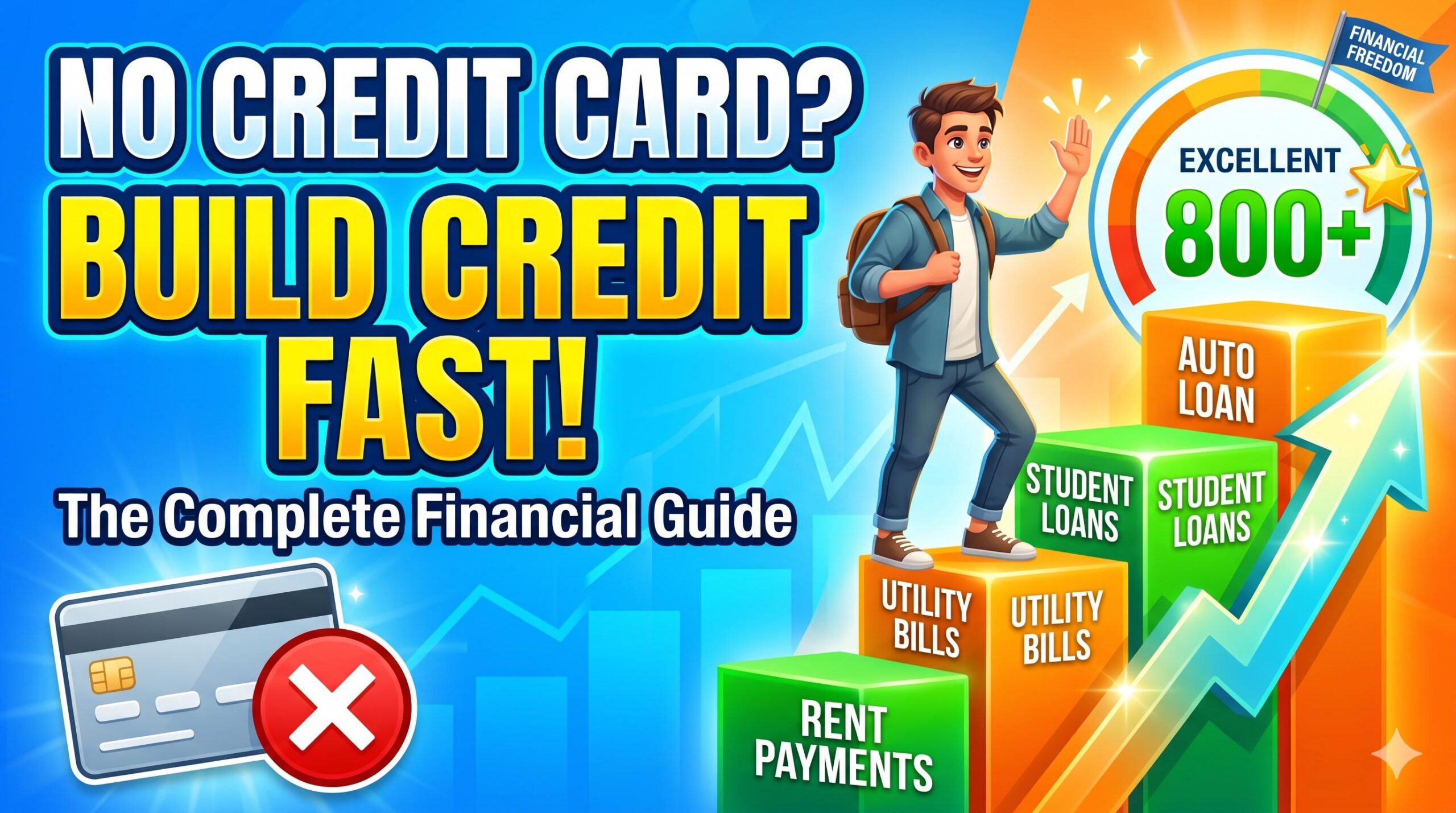
In other words, if you are asking how to build credit score without a credit card, you are looking for ways to show lenders that the financial track record in your statement is ready for revolving debt. That means no more high-interest plastic but a documented history of on-time payments, through installment loans, rent and utilities — and building credit without a card.
Borrowers be on the lookout for this as they may have been declined cards in the past, prefer not to carry a large balance or would simply like to live free of debt. In this case, the variable that determines your score is reporting — meaning making sure what ever non-credit-card payments you make are actually reported to the big three credit bureaus as well as being 100% on time with every single payment.
For most of the first time borrowers, salaried class and self-employed professionals as well, chances of a loan rejection are closely connected to not having a credit history awful, thin file. This all-in-one guide serves to understand the inner workings of credit scoring and provide sensible ways to build your credit profile from scratch, without having a single credit card.
Table of Contents
Understanding the Foundations of a Credit Score
As a first step, however, it is imperative to know precisely what a credit score measures. A credit score, displayed as a three-digit number, is an indication of creditworthiness — how likely you are to pay back money you borrow on time.
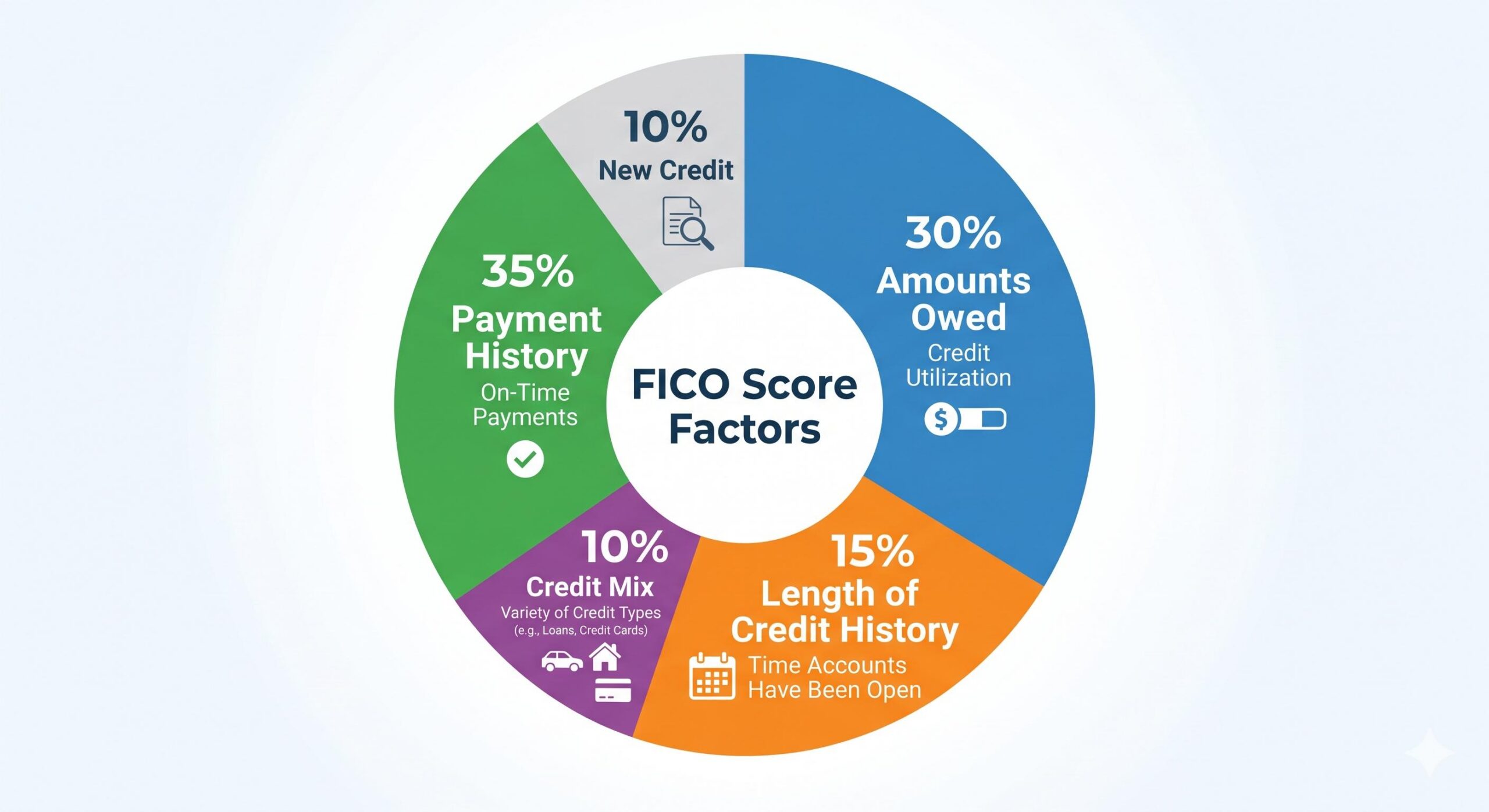
Lenders use this number to approve or deny your loan applications and also, decide what interest rate you will pay. Though credit cards (or revolving credit) are commonly used for this purpose, there are also other means to achieve these ends. There are five major components Credit bureaus use to figure out your score. Credit bureaus calculate your score based on five primary factors:
Shutterstock
- Payment History (35%): Whether you pay your bills on time. This is the most significant factor.
- Amounts Owed (30%): Your debt-to-limit ratio (mostly applicable to cards, but total debt matters).
- Length of Credit History (15%): How long your accounts have been open.
- Credit Mix (10%): The variety of accounts you hold (e.g., installment loans vs. revolving credit).
- New Credit (10%): The number of recently opened accounts and hard inquiries.
To build credit without a card, your goal is to generate positive data in the Payment History and Credit Mix categories through alternative financial products.
Proven Strategies: How to Build Credit Score Without a Credit Card
Building your financial reputation takes time, patience, and consistency. Here are the most effective, responsible methods to establish your score without resorting to credit cards.
1. Take Out a Credit-Builder Loan
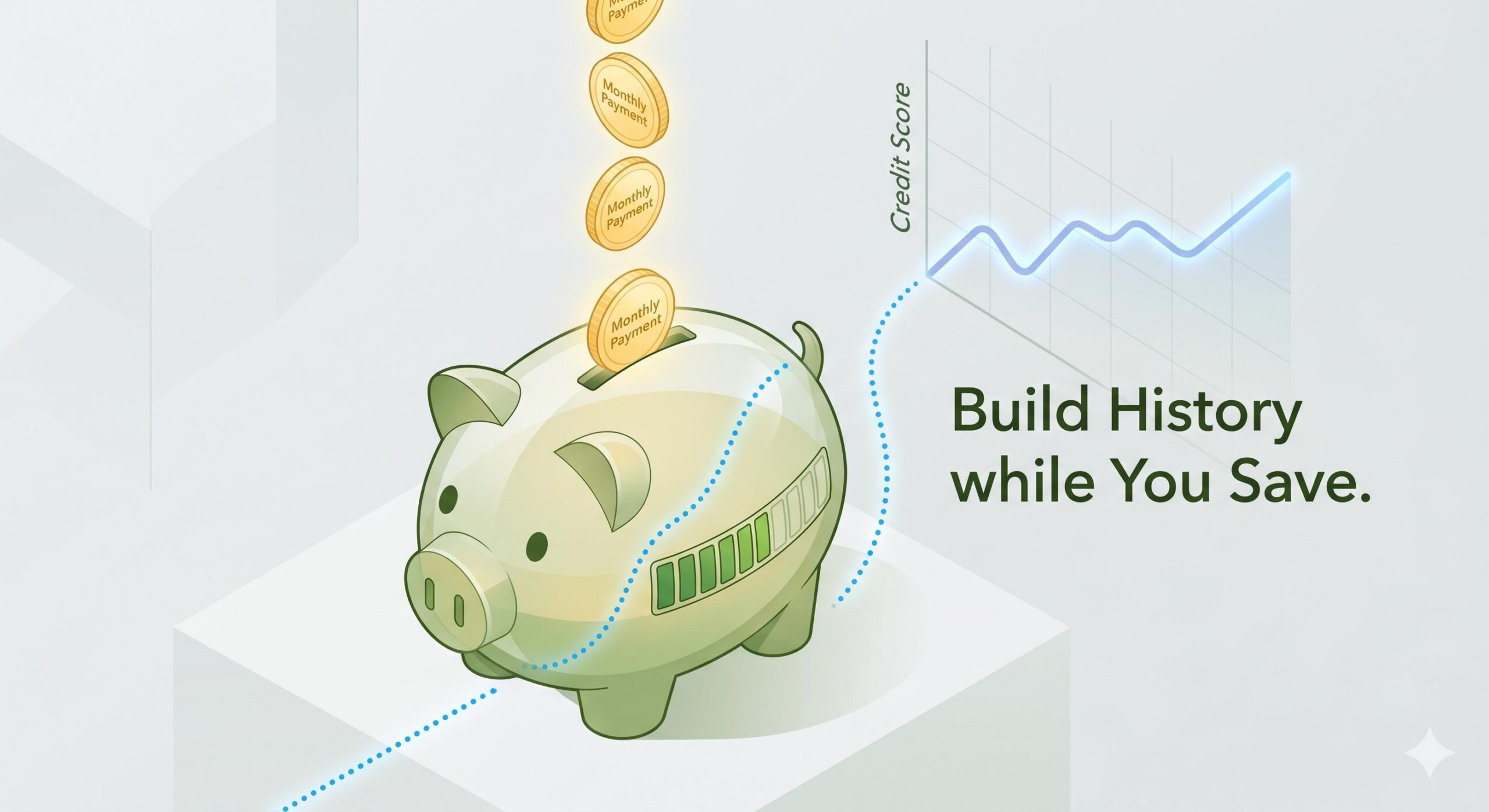
As the name implies, a credit-builder loan is a type of financial product that serves only one purpose— to help you build or rebuild your credit profile.
IAKAMer Listen, a credit-builder loan is not like a normal personal loan); you don’t get the funds up-front and pay them back toward the lender. The lender stores the entire loan amount in a ring-fenced savings account. You borrow over a defined term (typically 6 to 24 months) and then repay you with instalments every month. The funds are released to you once you have paid your dues in full.
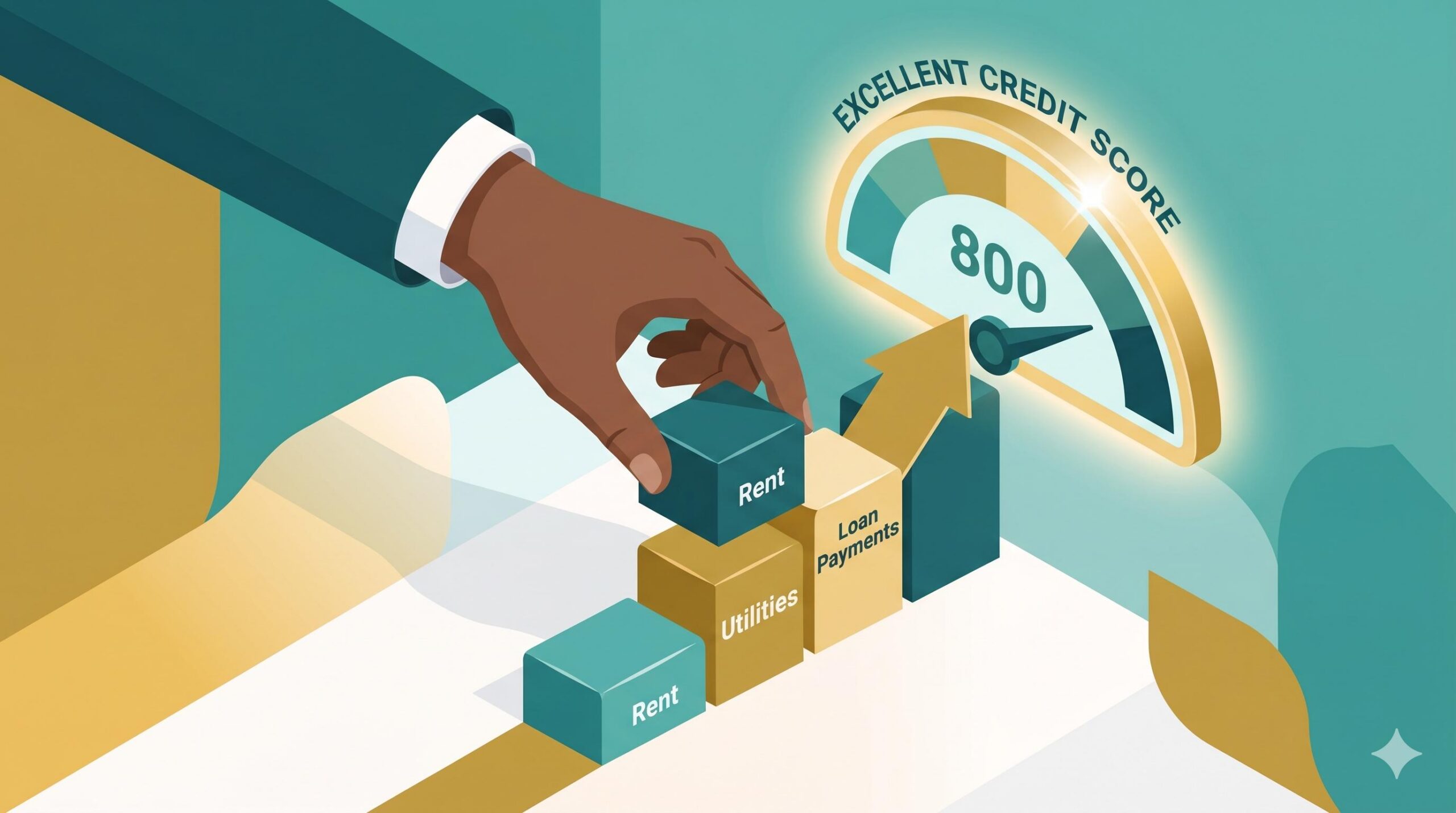
Why it works: The lender will notify the major credit bureaus of your monthly payments, which are made on a consistent basis. Since this is an installment loan it creates a positive payment history and adds to your credit mix.
2. Become an Authorized User
If you know a responsible family member with an excellent, longstanding credit history, they can add you as an “authorized user” on one of their existing lines of credit.
How it works: When you are added as an authorized user, the primary account holder’s payment history for that particular account is transferred to your credit report. Not only do you not have to own or use the physical card, but their positive financial habits get passed on to their annual member fee credit.
The risks: With this approach, you need a high degree of trust on both sides. If the primary account holder defaults, or maxes their limit it will reflect badly on you as well.
3. Utilize Rent Reporting Services

And for many Americans who pay rent each month, that rent is usually their largest expense. Because landlords do not report to credit bureaus by their nature, paying rent on time historically did not help build a credit score. However, this has changed.
Specialized rent reporting services and platforms that serve as intermediaries have popped up. With a small fee (and possibly yours being paid for by your landlord), these services check up on your monthly payments and report them to the credit bureaus.
Why it works: It takes an expense you are already paying and turns it into a credit-building tool, forming a long-term history of financial dependability.
Is Student Aid Gov Legit? Your Complete Guide to Federal Financial Aid and Loan Safety
4. Report Utility and Telecom Bills
Like rent, regular utility bills (electricity, water, gas) and telecom bills (internet, mobile phone plans), go unreported to the credit bureaus unless they fall into collections.
Today, you can still sign up for many major credit bureaus and free opt-ins that are linked to your bank account. These tools sift through your transaction history for frequent utility and telecom payments and report them to your credit file.
Why it works: This is just a great, low-risk way of earning some credit on the bills you are already paying on a monthly basis. It straightaway solidifies your credit record and provides evidence to potential lenders that you are capable of handling ongoing financial commitments.
How a “Thin File” Leads to Loan Rejection
At loanrejectionhelp. At ApplyConnect, we often have clients who get declined based on poor credit however at least as common is applications with no credit. No data is high risk to lenders.
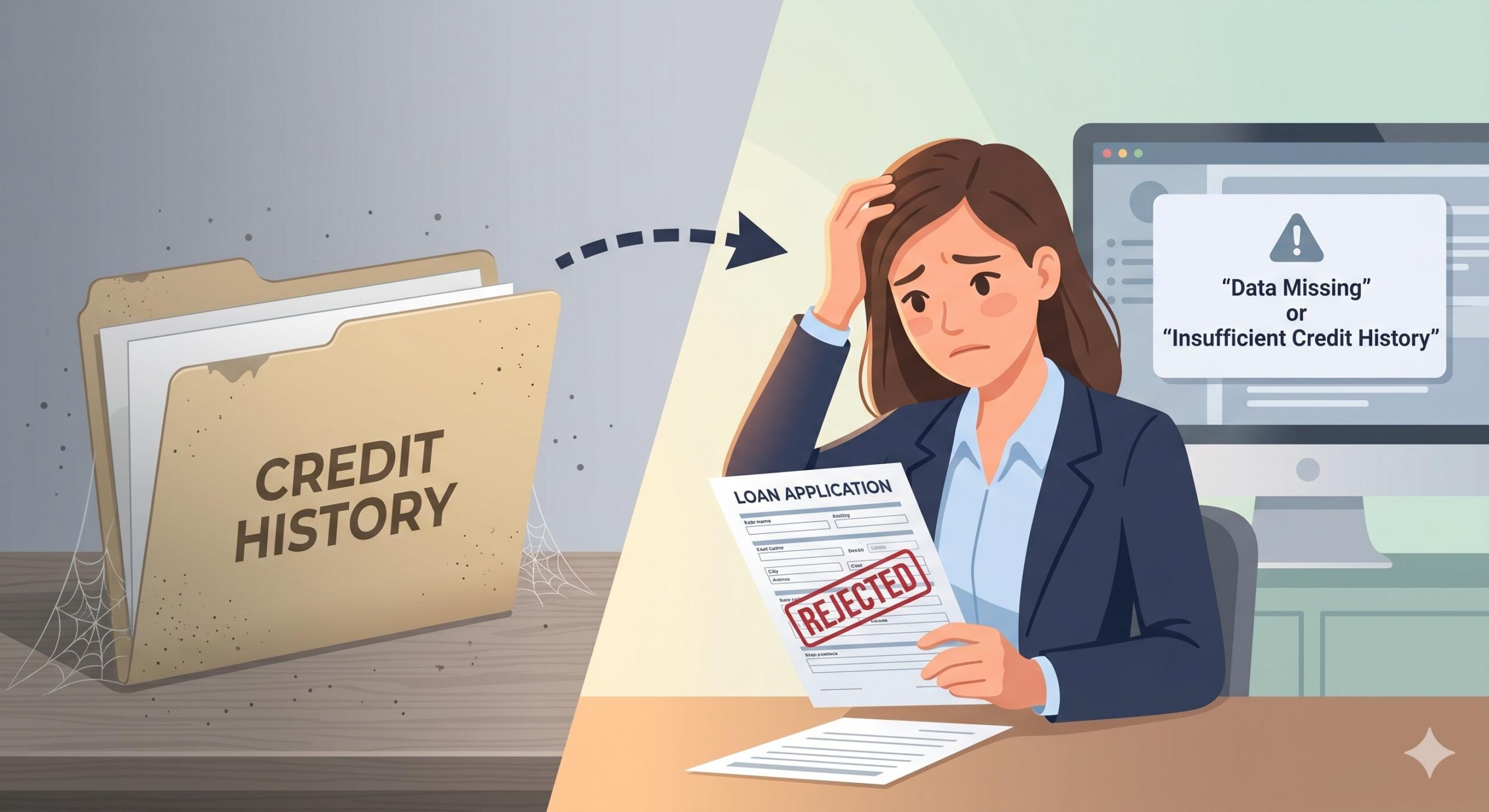
Many lenders have automated underwriting software, which looks for a history when you apply for a personal loan, auto loan or mortgage. The system pops up a thin file error if you have not used any of the strategies mentioned above. In the eyes of the lender, there is econometrically no algebraic evidence of their own that you will pay back the money.
With some preemptive effort around the use of credit-builder loans, rent reporting or being made an authorized user on someone else’s card you turn that blank slate into a proven resume. This makes the lender feel less risk-averse, which increases your chances of getting accepted and will help you get better interest rates once you finally decide to take down a big loan.
Responsible Borrowing and Risk Awareness
Understanding how to build credit score without a credit card is only the first step; executing these strategies responsibly is what ensures long-term financial health.
- Never Pay Unnecessary Interest: Do not take out a loan solely for the sake of building credit if the fees and interest rates are predatory. Always read the fine print.
- Automate Your Payments:The quickest road to understanding ways to ruin a credit score withinside the making is through skipping a payment. Arrange automated deductions from your checking account.
- Monitor Your Credit Profile: Make sure your alternative payments (such as rent and utilities) are being recorded correctly by regularly monitoring your credit reports.
- Avoid Fake Urgency: A few organizations even guarantee “quick credit score support,” but that hardly ever occurs. Think of building credit as a long-distance run rather than a sprint.
FAQ: Most Frequently Asked Questions
1. How long does it take to build a credit score from scratch without a card?
Typically, it takes three to six months of consistent reporting activity for a credit score to be generated. If you are using a credit-builder loan or rent reporting, you should see an impact on your report after the first few successful payment cycles.
2. Can I build credit by just paying my phone bill?
Yes, but only if you use a reporting service like Experian Boost or similar tools offered by credit bureaus. Standard on-time phone bill payments are generally not reported to the bureaus unless you default and the account goes to collections.
3. Is building credit without a card slower than using one?
Not necessarily. While credit cards allow for “credit utilization” (which can boost a score quickly if kept low), a consistent installment loan or rent history builds a very stable foundation. The “speed” depends on how many different data points (loans, rent, utilities) you are reporting simultaneously.
4. Do student loans help my credit score?
Absolutely. Student loans are considered installment loans. As long as you are making your monthly payments on time (or are in a valid deferment/forbearance period that is being reported correctly), they contribute positively to your payment history and credit mix.
5. Can a debit card build my credit?
Standard debit cards do not build credit because they draw directly from your bank account and do not involve borrowing. However, some “credit-builder” debit cards now exist that act as a middleman to report your spending as credit payments.
Conclusion
Building a strong credit profile does not require you to fall into the trap of high-interest revolving debt. By leveraging credit-builder loans, utilizing rent and utility reporting services, and exploring authorized user options, you can successfully establish a high score.
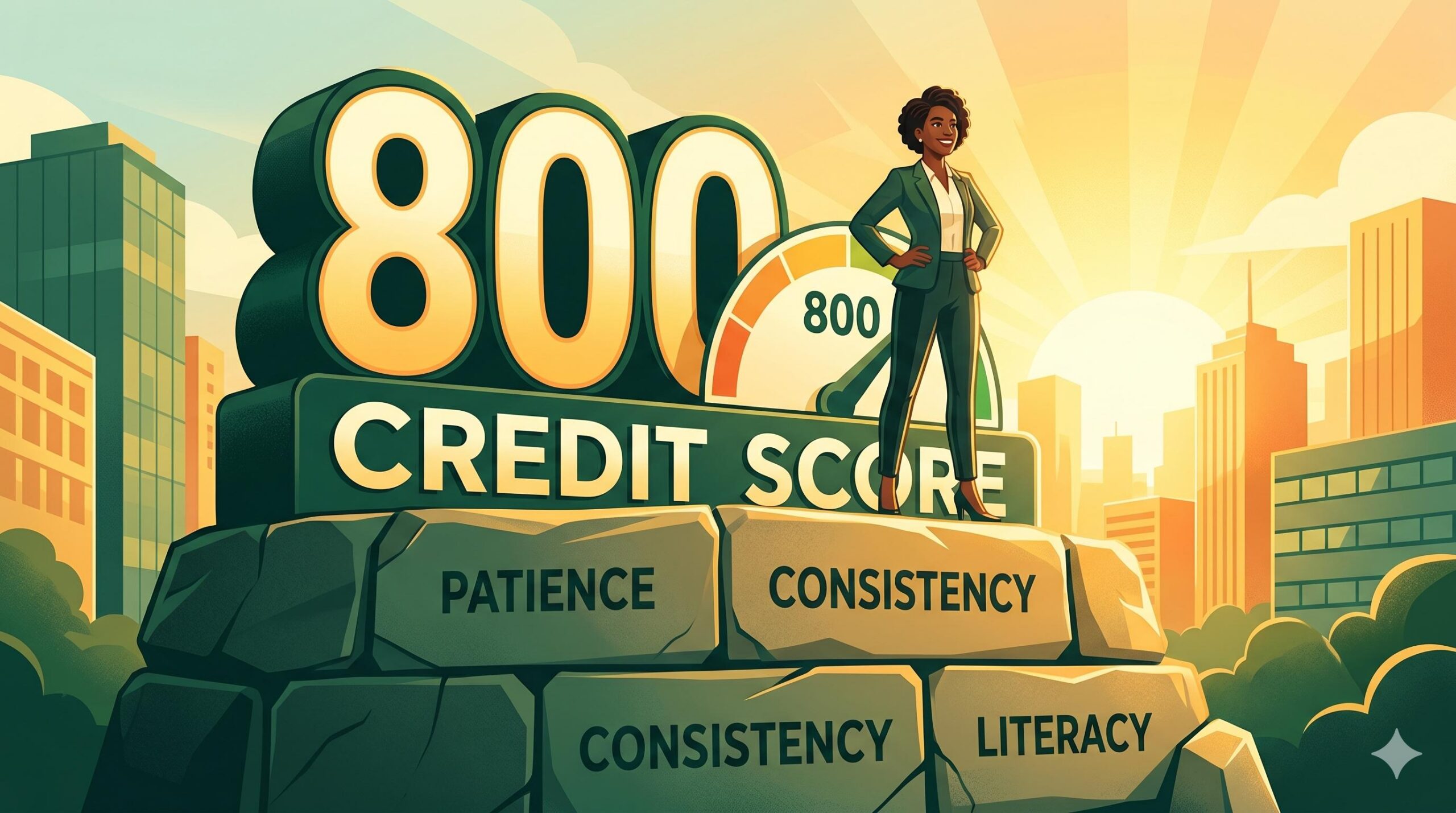
Knowing how to build credit score without a credit card empowers you to take control of your financial narrative. As you transition from a “thin file” to a robust credit profile, you will face fewer loan rejections, unlock lower interest rates, and secure a more stable financial future. Always remember to borrow responsibly, pay your obligations on time, and prioritize your long-term financial literacy.