
Introduction
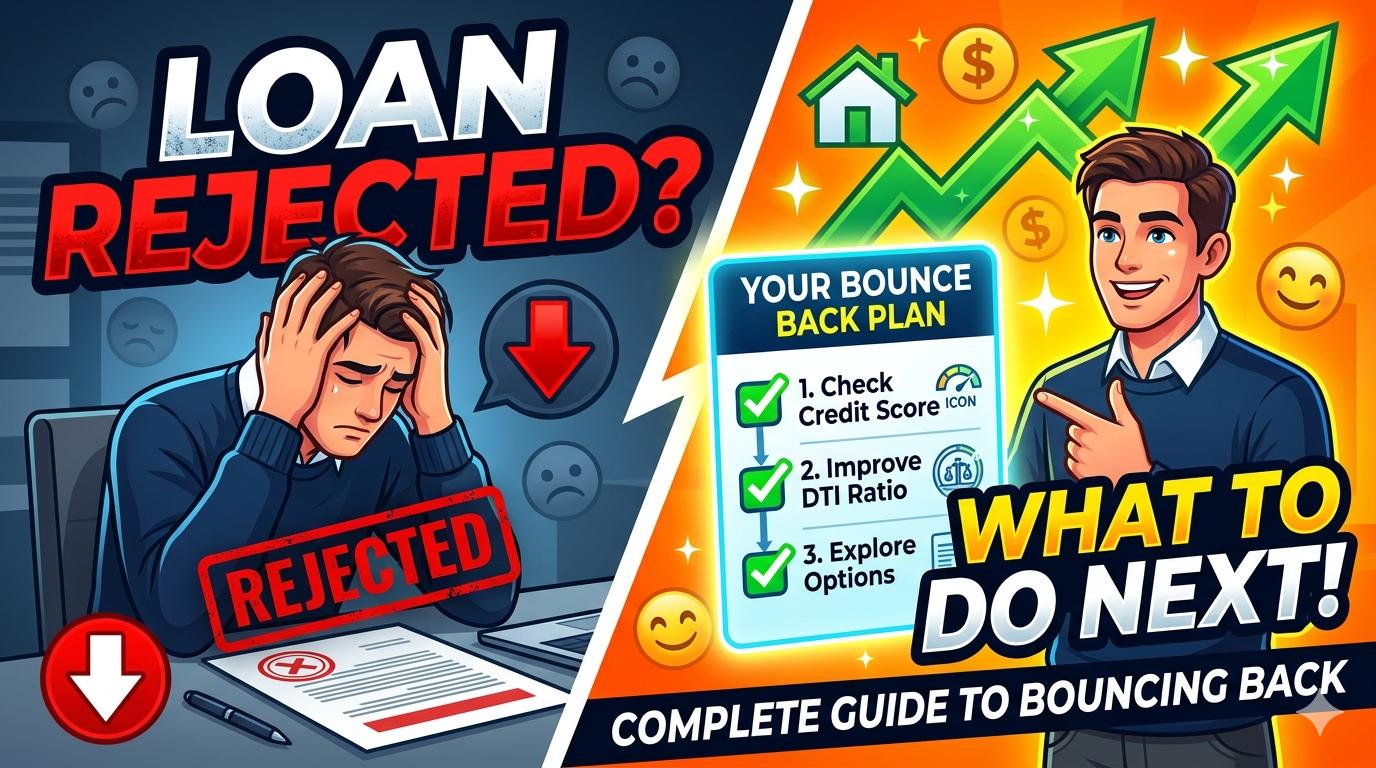
If you have recently found yourself searching “loan rejected what to do,” you are not alone. A loan rejection simply means that a financial institution has reviewed your application and determined that lending to you currently carries a higher level of risk than their internal policies allow. Borrowers typically search for this phrase because receiving a denial can be a highly stressful and confusing experience, leaving them in urgent need of alternative solutions while fearing further damage to their credit profiles. Ultimately, the approval or rejection of a loan is affected by objective financial metrics—specifically your credit history, your debt-to-income (DTI) ratio, your employment stability, and the overall consistency of your financial records.

At loanrejectionhelp.com, our goal is to help you navigate these setbacks. Before rushing to apply for another loan—which can actually harm your chances further—it is crucial to understand the financial mechanics behind why lenders reject applications and what actionable, responsible steps you can take next.
Disclaimer: The information provided in this article is for educational and informational purposes only and does not constitute financial or legal advice. Every individual’s financial situation is unique. Please consult with a qualified financial advisor before making any major credit decisions.
Table of Contents
The Financial Concept Behind the Decision: Understanding Credit Risk
Before exploring what to do after a rejection, it is important to understand the financial concept that drives the lender’s decision: Credit Risk Assessment.
Banks, credit unions, and online lenders are businesses that manage risk. When you apply for a personal loan, mortgage, or credit card, the lender uses an underwriting process to calculate the probability that you will repay the borrowed amount plus interest on time. They are not judging you personally; they are running your data through a mathematical model.
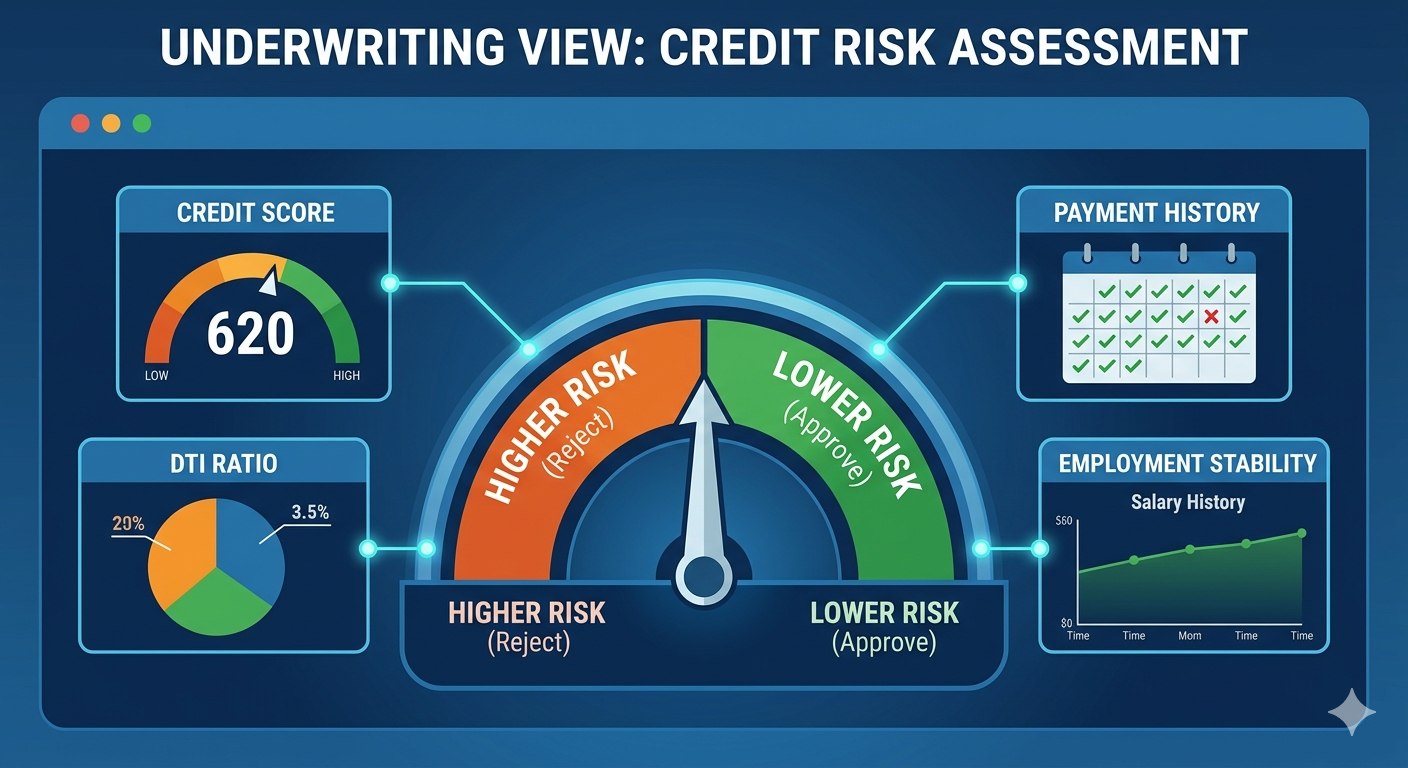
If a lender determines that your profile indicates a high probability of default (failure to repay), they will reject the application to protect their financial assets. Understanding this objective, data-driven process is the first step toward financial literacy. By learning what data points the underwriting software looks at, you can actively work to improve those specific metrics.
Key Factors That Drive a Rejection
When evaluating credit risk, lenders look closely at a few specific financial indicators:
- Credit Score and History: This is a numerical representation of your past borrowing behavior. A low score, late payments, defaults, or a lack of credit history (often called a “thin file”) signals high risk to lenders.
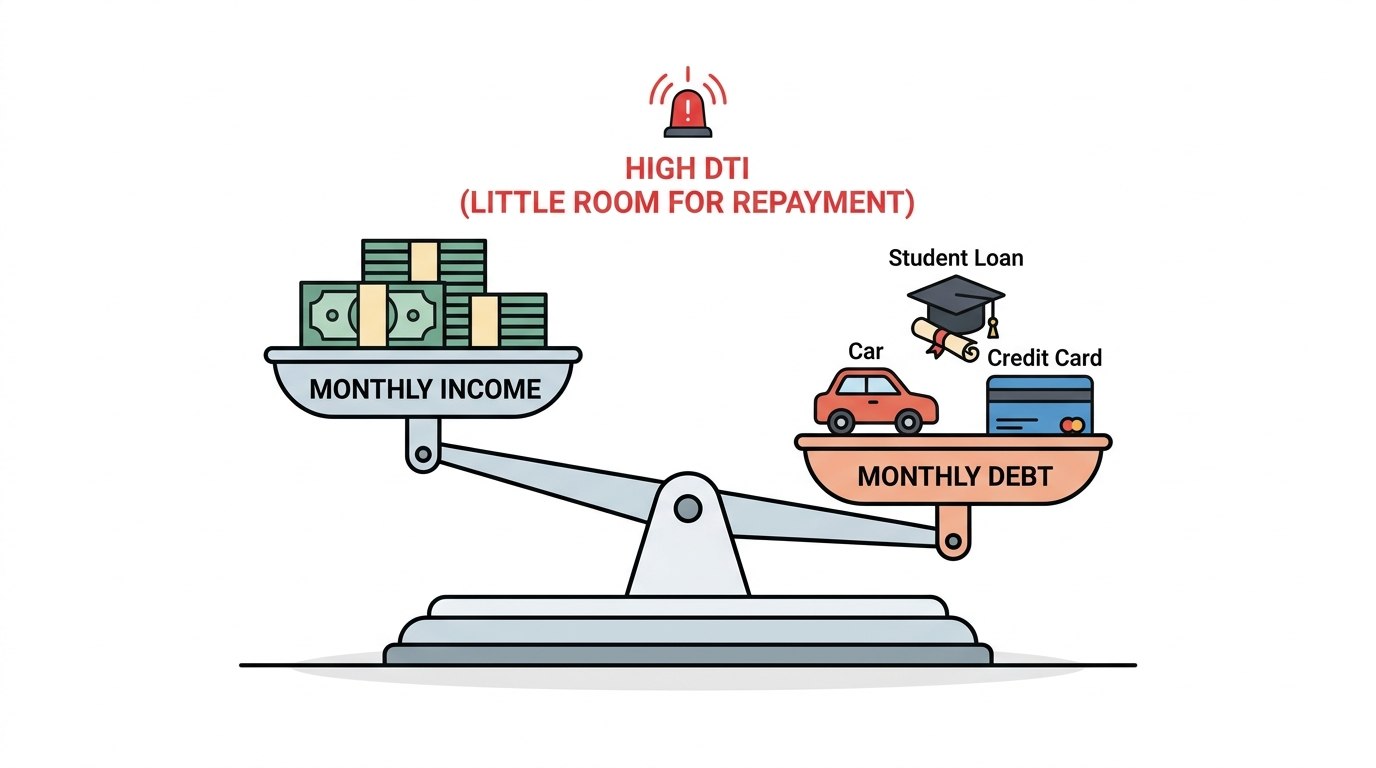
- Debt-to-Income (DTI) Ratio: This financial metric compares your gross monthly income to your monthly debt obligations. If too much of your income is already going toward paying off other debts (usually anything above 35% to 43%), lenders will assume you cannot afford another monthly payment, regardless of how good your credit score is.
- Employment and Income Stability: Lenders want to see a predictable, steady source of income. Frequent job changes, recent transitions to self-employment, or irregular freelance income can trigger a rejection if the lender feels the income is not reliable enough to guarantee long-term repayment.
- Application Discrepancies: Sometimes, the underlying financials are fine, but the application was rejected due to mismatched addresses, incorrect income figures, or unverified identity documents.
Immediate Action Plan: Loan Rejected What To Do Next

When you receive a denial, your immediate reaction might be to panic or immediately apply with a different bank. This is exactly what you should not do. Here is a step-by-step guide on what to do when your loan is rejected.
1. Stop and Do Not Reapply Immediately
Every time you apply for credit, the lender performs a “hard inquiry” on your credit report. This temporarily lowers your credit score by a few points. If you apply for multiple loans back-to-back after a rejection, you will accumulate several hard inquiries. To future lenders, this looks like “credit-seeking behavior,” which implies financial desperation and significantly increases your risk profile.
2. Request an Adverse Action Notice
In many countries, lenders are legally required to provide you with a document explaining exactly why your loan was denied. This is often called an Adverse Action Notice. Do not guess why you were rejected; read this letter carefully. It will tell you the exact reason—whether your credit score was too low, your income was insufficient, or your credit history was too short.
3. Check Your Credit Report for Errors
Once you know why the lender rejected you, obtain a free copy of your credit report from the major credit bureaus (such as Equifax, Experian, or TransUnion). Review it meticulously. Look for:
- Accounts that do not belong to you (potential identity theft).
- On-time payments incorrectly marked as late.
- Old, paid-off debts still showing as active balances.
If you find an error, dispute it with the credit bureau immediately. Correcting a mistake can sometimes boost your score enough to get approved upon reapplication.
How to Rebuild and Prepare for Future Applications
Once you have managed the immediate aftermath of a rejection, you must shift your focus toward long-term financial health. A loan rejection is an opportunity to strengthen your profile so that you become a prime candidate for future borrowing.
Lower Your Debt-to-Income Ratio
If your DTI was the problem, you have two options: increase your income or decrease your debt. Since increasing income quickly is often difficult, focus on aggressive debt reduction. Try the “snowball” or “avalanche” methods to pay down existing credit card balances or personal loans. Lowering your existing obligations proves to lenders that you have the financial breathing room to handle new debt.
Reduce Your Credit Utilization Rate
Your credit utilization rate is the percentage of your available credit that you are currently using. For example, if you have a credit card with a $10,000 limit and a $4,000 balance, your utilization is 40%. Financial experts recommend keeping this ratio below 30%—and ideally below 10%. Paying down revolving credit balances will quickly lower your risk profile and improve your credit score.
Establish a Consistent Payment History
Payment history is the single largest factor in calculating your credit score. Ensure that absolutely every bill, loan, and credit card is paid on time. Set up automatic payments or calendar reminders. Even one payment that is 30 days late can stay on your credit report for years and severely damage your approval odds.
Exploring Alternative Financial Options
If you are facing a true financial emergency and cannot wait months to rebuild your credit, you may still have responsible borrowing options. However, these alternatives come with their own risks and require careful consideration.
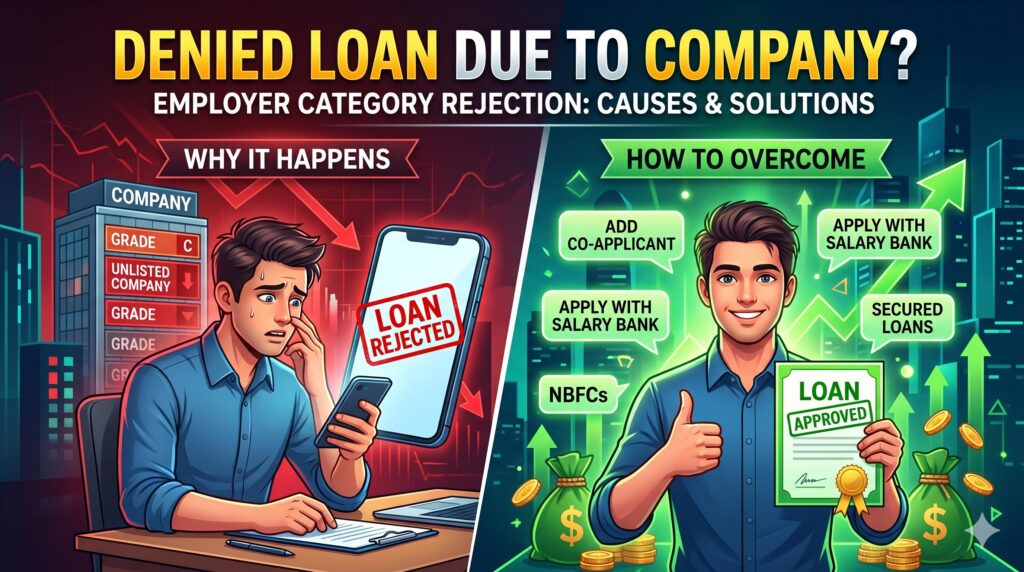
- Secured Loans: If you have assets (such as a savings account, a certificate of deposit, or a vehicle), you might qualify for a secured loan. Because the loan is backed by collateral, the lender takes on less risk, making approval much easier. However, be aware of the risk: if you default, the lender will seize your asset.
- Applying with a Co-Signer: A co-signer is someone with strong credit and stable income who agrees to take legal responsibility for the loan if you fail to pay. This can help you secure approval and better interest rates. However, this puts the co-signer’s financial health on the line; if you miss a payment, their credit score will also plummet.
- Credit Unions: Unlike massive traditional banks, credit unions are non-profit organizations that serve their members. They often have more flexible underwriting standards and may be willing to look past a rigid credit score if you have a history of good banking relationships with them.
The Importance of Responsible Borrowing

At loanrejectionhelp.com, we emphasize that getting a loan approved is only the beginning of your financial responsibility. When navigating a loan rejection and looking for alternatives, avoid predatory lenders, payday loans, or any institution that promises “guaranteed approvals without credit checks.” These lenders often charge exorbitant, triple-digit interest rates that can trap borrowers in a vicious cycle of debt.
Always borrow only what you absolutely need, completely understand the Annual Percentage Rate (APR), and read the terms and conditions carefully before signing any agreement.
Demystifying the Vidya Lakshmi Portal: A Complete Guide to Education Loans
Frequently Asked Questions (FAQs)
How long should I wait to apply for a loan after being rejected?
Financial experts generally recommend waiting at least three to six months before reapplying for a new loan. This waiting period gives you time to pay down existing debt, dispute any errors on your credit report, and build a consistent payment history. It also prevents you from accumulating too many hard credit checks in a short period.
Does a loan rejection directly lower my credit score?
The rejection itself is not recorded on your credit report and does not lower your score. However, the “hard inquiry” that the lender performed to check your credit history does appear on your report and will temporarily drop your score by a few points. Because of this, rapid-fire applying for multiple loans after a rejection is highly discouraged.
What is the most common reason for a loan rejection?
Lenders base their decisions on credit risk assessment. The most common reasons for denial include a poor credit score, a high debt-to-income (DTI) ratio (meaning too much of your monthly income goes toward existing debt), unstable employment history, or simple errors on the application forms.
Can a rejected loan be approved if I apply again later?
Yes. Applying immediately with the exact same financial profile will likely result in another denial. However, if you take the time to improve the specific areas that caused the rejection—such as paying off a credit card to lower your DTI or correcting an error on your credit report—you can successfully secure approval in the future.
Should I use a “guaranteed approval” loan if I keep getting rejected?
No. You should be extremely cautious of lenders advertising “guaranteed approvals” or “no credit check loans.” These are often predatory payday loans that carry triple-digit Annual Percentage Rates (APRs). They are designed to trap vulnerable borrowers in a cycle of debt. If you are struggling to get approved, focus on rebuilding your credit or exploring safer alternatives like a secured loan or utilizing a co-signer.
Conclusion
Facing a loan rejection can be disheartening, but it is a common hurdle that many borrowers overcome. By understanding the core financial concept of credit risk assessment, you can remove the emotion from the equation and view the rejection as a simple data mismatch.
If you find yourself asking, “loan rejected what to do,” remember the core steps: pause before reapplying, find out the exact reason for the denial, check your credit report for inaccuracies, and begin working on your debt-to-income ratio and credit utilization. With patience, financial discipline, and a focus on financial literacy, you can rebuild your profile and walk into your next loan application with confidence.






1 thought on “Loan Rejected What To Do: A Complete Guide to Bouncing Back”