Disclaimer: The information provided on loanrejectionhelp.com is for educational, informational, and financial literacy purposes only. It does not constitute legal or financial advice. Always verify the legitimacy of a financial institution and consult with a certified financial advisor before making any borrowing decisions or sharing personal data.
Introduction
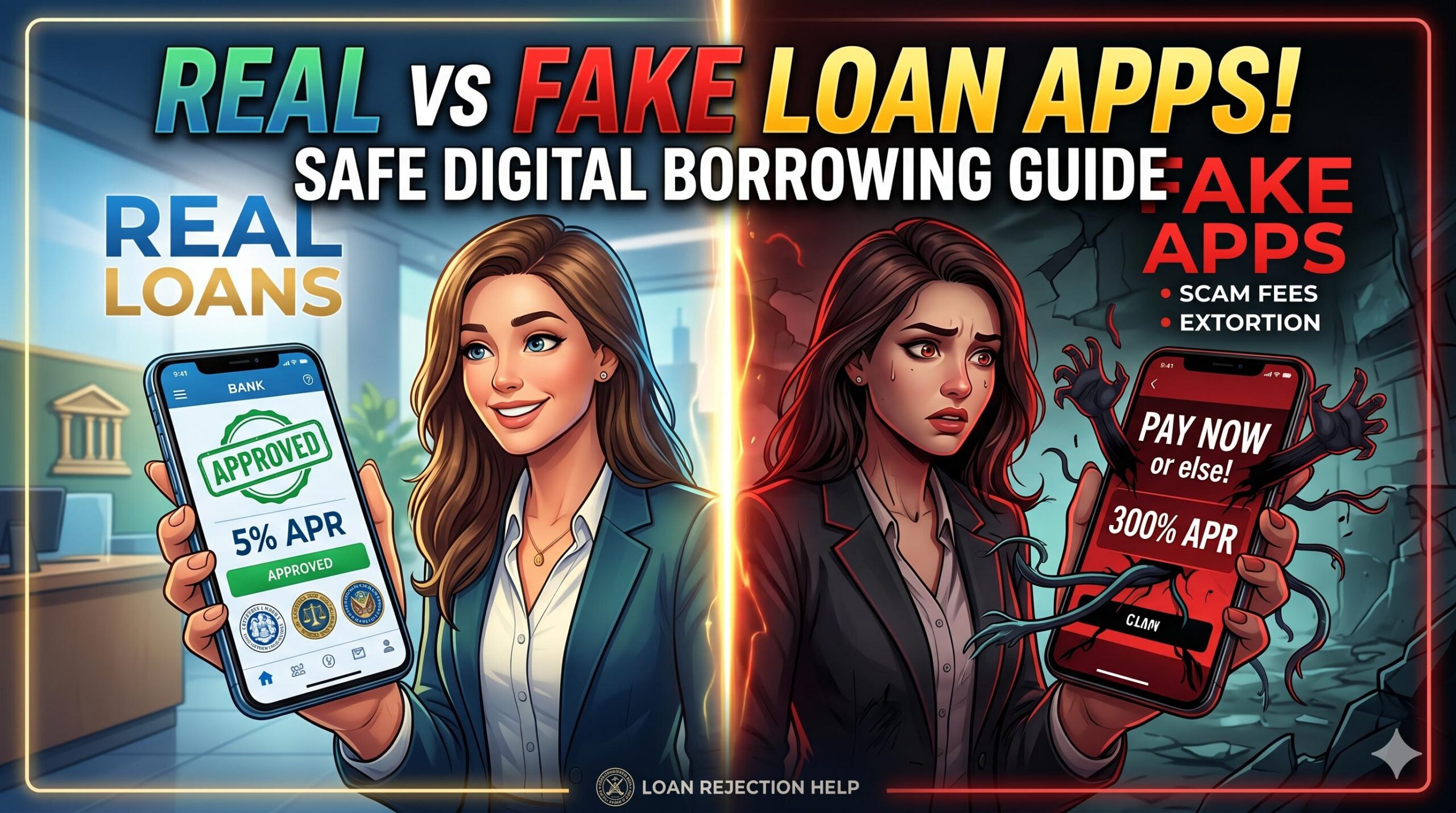
Understanding fake loan apps vs real loan apps means learning how to distinguish between legitimate digital lending platforms regulated by central financial authorities and malicious, unauthorized applications designed to trap users in cycles of extortion and predatory debt.
Borrowers actively search for this comparison because the rise of instant digital lending has brought a massive wave of scams; people desperately want to access emergency funds without risking their personal data, facing illegal harassment, or losing money to hidden fees. Ultimately, what affects this distinction—and determines whether an app is safe or dangerous—is the platform’s regulatory compliance, the transparency of its Annual Percentage Rate (APR), the data permissions it demands from your smartphone, and its adherence to fair debt collection practices.
For loan applicants, salaried individuals, and first-time borrowers, navigating the digital lending space can be intimidating. At loanrejectionhelp.com, we understand that a recent loan rejection from a traditional bank might push you to look for fast cash online. However, turning to the wrong app can destroy your financial health. This comprehensive guide will explain the financial mechanics behind digital lending and show you exactly how to protect yourself.
The Financial Mechanics: How Digital Lending is Supposed to Work
Before we compare the two, it is crucial to understand the financial concept of digital lending. A legitimate loan is a legal contract. The lender provides you with a principal amount, and you agree to pay it back over a set tenure, alongside a clearly defined interest rate and processing fee.
In a regulated environment, the interest rate is expressed as an Annual Percentage Rate (APR). The APR includes the interest rate plus any fees or additional costs involved in procuring the loan. This allows borrowers to accurately compare the true cost of borrowing across different platforms. Furthermore, legitimate digital lenders evaluate your creditworthiness—usually by checking your credit score—to determine your interest rate and ensure you have the capacity to repay the debt.
Fake loan apps completely ignore these financial principles. They operate outside of the law, utilizing predatory pricing models, astronomical hidden fees, and psychological manipulation rather than standard financial underwriting.
Fake Loan Apps vs Real Loan Apps: The Key Differences
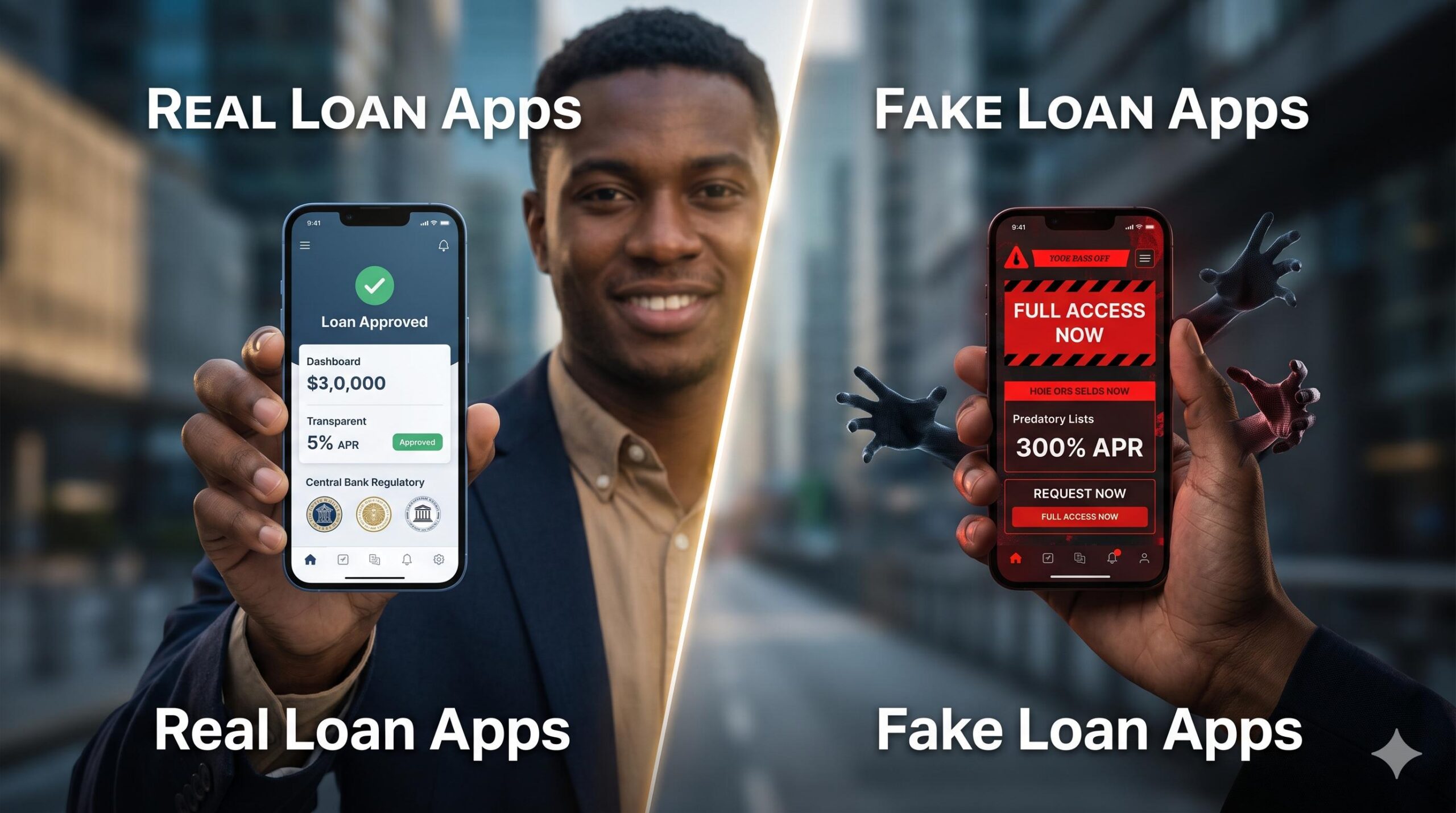
To protect your finances and your personal identity, you must know the defining characteristics of both authorized and unauthorized lenders. Here are the primary differences you need to look out for.
1. Interest Rates, Fees, and Transparent Pricing
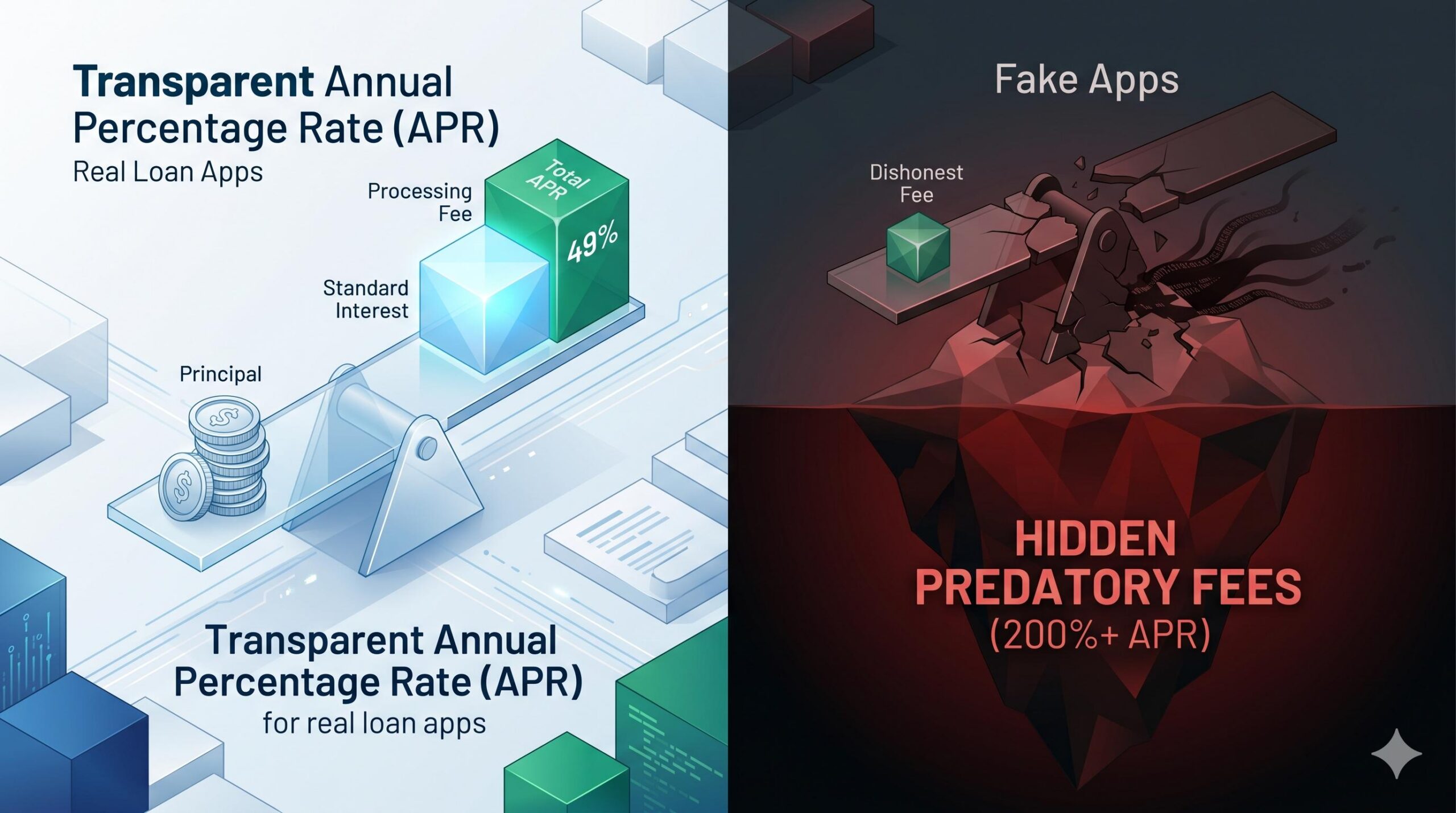
- Real Loan Apps: A legitimate lender will explicitly display the interest rate, the processing fee, the exact EMI (Equated Monthly Installment) amount, and the repayment schedule before you sign any agreement. The fees are standard and regulated by central banking authorities.
- Fake Loan Apps: Scam apps use predatory financial structures. They often deduct a massive, undisclosed “processing fee” (sometimes as high as 20% to 35%) upfront. For example, if you are approved for a $1,000 loan, they may only deposit $700 into your account but legally demand you repay the full $1,000 plus interest. Furthermore, their annualized interest rates can secretly equate to 300% or more.
2. Regulatory Compliance and Licensing
- Real Loan Apps: Legitimate apps are either directly operated by a registered Bank or partnered with a registered Non-Banking Financial Company (NBFC). They will proudly display their regulatory registration numbers, physical corporate addresses, and official contact information on their website and within the app.
- Fake Loan Apps: These apps operate in the shadows. They are not registered with any financial regulatory body. They often use generic names, provide no physical address, and use unverified email addresses (like Gmail or Yahoo accounts) for customer support.
3. Smartphone Permissions and Data Privacy
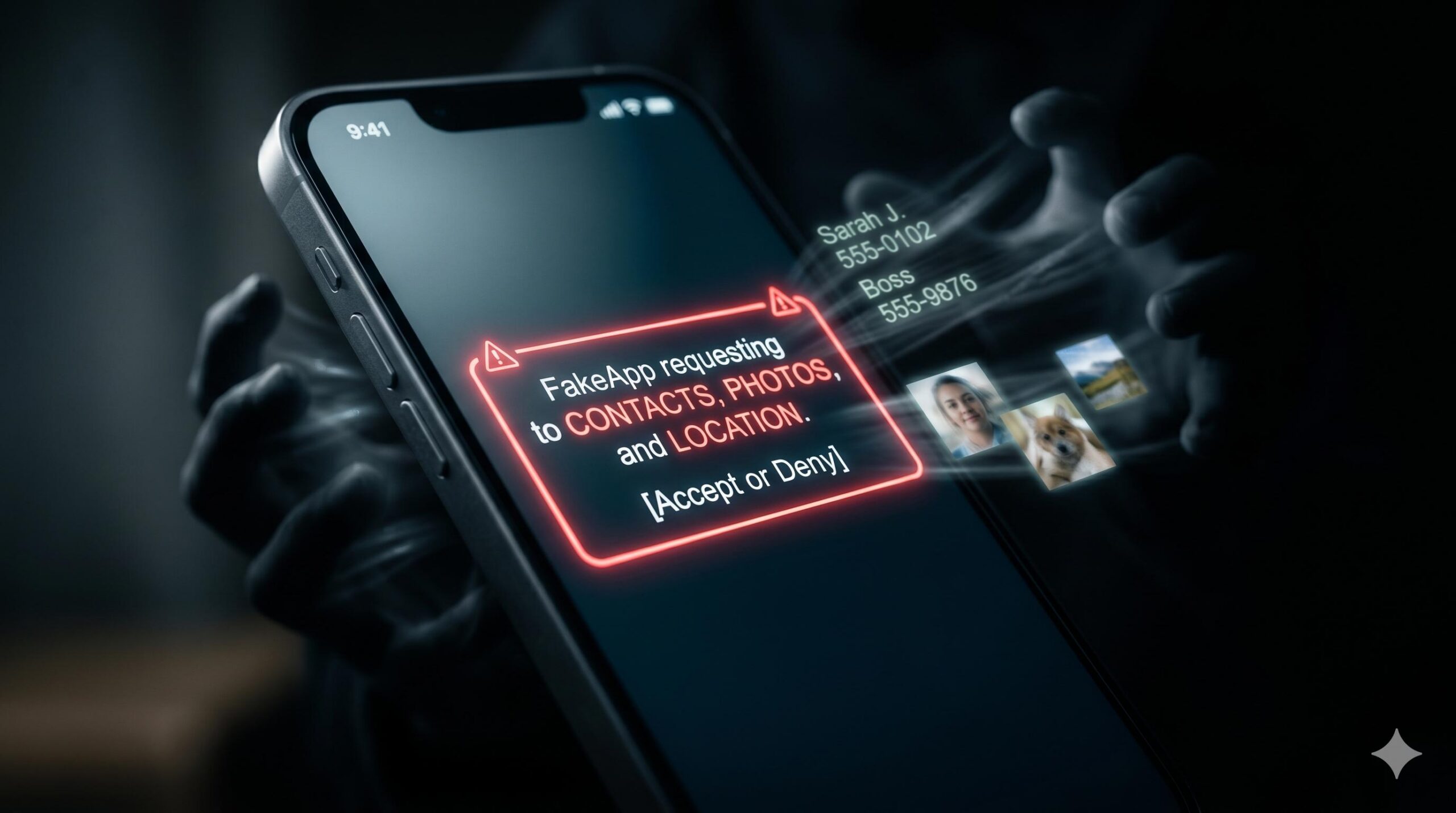
- Real Loan Apps: To comply with standard KYC (Know Your Customer) regulations, real apps will ask for access to your camera (for a live selfie) and storage (to upload your ID documents). They respect your privacy and have clear data protection policies.
- Fake Loan Apps: This is where the scam truly operates. Fake apps will refuse to function unless you grant them full access to your Contact List, Photo Gallery, and Location. They do not want this data for financial underwriting; they harvest it for extortion. If you are even one day late on an illegal 7-day loan, they will use your contacts and photos to blackmail you, threatening to send messages to your family and employers labeling you as a thief.
4. The “Guaranteed Approval” Trap
- Real Loan Apps: Legitimate lenders carry out risk assessments. They will check your credit history and income stability. While it is frustrating to face loan rejection, a rejection means the lender believes the debt would financially overburden you.
- Fake Loan Apps: Scam apps prey on vulnerable borrowers by advertising “Guaranteed Approvals,” “No Credit Check,” and “100% Instant Cash.” They create fake urgency to make you download the app quickly. They do not care about your credit score because they do not rely on legal channels to collect their money; they rely on harassment.
5. Repayment Tenures
- Real Loan Apps: Standard personal loans offer flexible, realistic repayment tenures, usually ranging from 3 months to 5 years, allowing you to manage your monthly budget effectively.
- Fake Loan Apps: Unauthorized apps typically trap borrowers with incredibly short repayment windows—often demanding full repayment within 7 to 15 days. This is designed to force the borrower into a default, allowing the scammers to pile on exorbitant daily penalty charges.
How Fake Loan Apps Lead to Genuine Loan Rejections
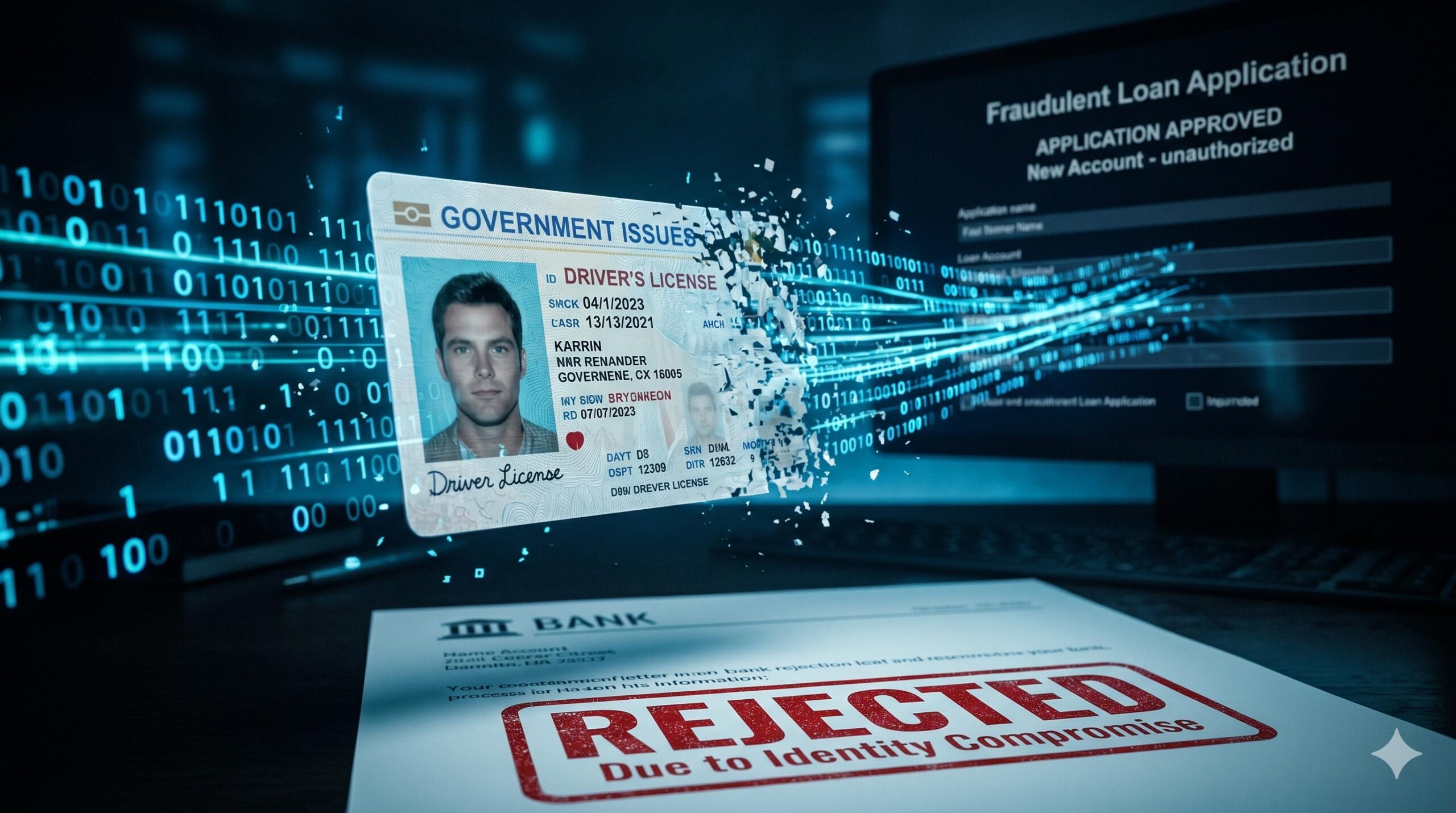
At loanrejectionhelp.com, our primary goal is to help you build a strong credit profile. Engaging with a fake loan app can severely damage your chances of securing legitimate financing in the future through a process known as identity theft.
When you upload your government-issued ID and banking details to a scam application, you are handing over your financial identity to criminals. These entities can use your personal information to open fraudulent accounts, take out other illegal loans in your name, or launder money.
If fraudulent activity is tied to your identity, it will eventually reflect as defaults on your official credit report. When you later apply for a legitimate home loan, car loan, or credit card, the bank’s automated system will see these defaults and instantly reject your application. Protecting your data from fake apps is the first line of defense in maintaining a healthy credit score.
Actionable Steps: How to Verify a Legitimate Loan App
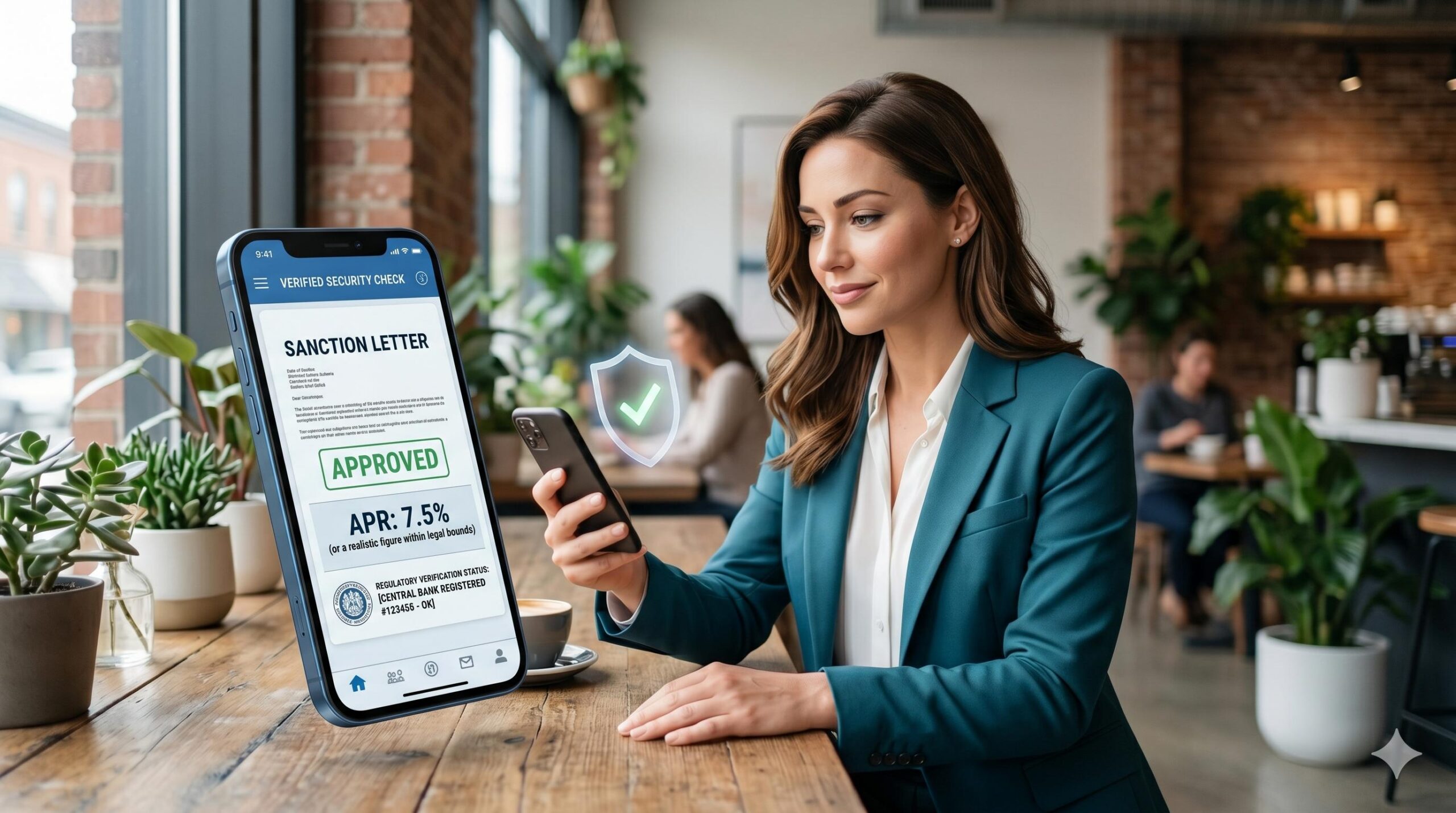
Before you download any digital lending application or provide your personal information, run through this beginner-friendly security checklist:
- Check the Developer and Reviews: Go to the Google Play Store or Apple App Store and look at the developer’s name. Read the 1-star reviews. If multiple users are complaining about harassment, short repayment windows, or upfront fees, do not download the app.
- Verify the NBFC/Bank Partnership: Look for the name of the NBFC or Bank powering the app. Go to your country’s central bank website (such as the Federal Reserve, FCA, or Reserve Bank of India) and check if that institution is officially registered.
- Audit App Permissions: Go into your phone’s settings and review what the app is asking for. Deny access to your contacts, call logs, and personal photo galleries. A genuine lender does not need to see your phonebook to approve a loan.
- Demand a Sanction Letter: Legitimate lenders provide a digital Key Fact Statement (KFS) or sanction letter before disbursing funds. This document legally outlines the APR, processing fees, and repayment schedule. Fake apps will deposit money immediately without your final consent just to trap you.
Best Place to Get a Personal Loan: Rates, Approvals, and Avoiding Rejection
Conclusion: Responsible Borrowing and Risk Awareness
Understanding the difference between fake loan apps vs real loan apps is essential for your financial safety. The convenience of digital lending should never come at the cost of your peace of mind, your personal privacy, or your financial stability.
If you have faced a recent loan rejection, take a step back and breathe. Do not let desperation push you into the arms of unauthorized, predatory lenders promising guaranteed approvals. Instead, focus on understanding why your application was rejected, take proactive steps to improve your credit score, and only borrow from transparent, regulated financial institutions. Responsible borrowing means knowing exactly who you are dealing with, understanding the true cost of your loan, and protecting your most valuable asset: your identity.