Introduction
If I have learnt how to check whether a loan app is RBI registered — it involves checking if the digital lending platform that intends to disburse funds to you, is legally sanctioned by Reserve Bank of India — or in partnership with an RBI governed NBFC / Bank.
This vital information is mainly searched by Borrowers to shield themselves from illegal lending sites, excessive hidden charges, data theft and aggressive collections. The registered official status of a lending app is determined by its partners, compliance with national digital lending rules and transparency regarding the source of financing.

Knowing how to check an app’s legality is your best line of defense from fraud in a world where instant credit is abundantly available on our smartphones. The sheer convenience of a digital loan cannot be disputed, but the internet is filled with unregulated platforms. This guide will help you understand what RBI registration means with respect to digital lending, how you can easily check whether an app is genuine or fake in the following 12 steps and most importantly how choosing the right lender for your loans thus protecting your credit score from being rejected for a loan in future.
Disclaimer: The content on loanrejectionhelp. Website is intended for educational and informational purposes only. We Are Not A Lender And Do Not Guarantee Loan Approvals. Always check the credentials of any finance institution before handing over your information or obtaining a loan Responsible Borrowing — Using Money To Keep You Healthy
Table of Contents
What Does “RBI Registered” Actually Mean for a Loan App?
Before getting into the details of how to check if a loan app is RBI registered, we first need to clear a financial misconception. Software applications are not, in general, direct-regulated or registered with the Reserve Bank of India (RBI). Instead, RBI only regulates and grants licenses to the Banks and Non-Banking Financial Companies (NBFCs).
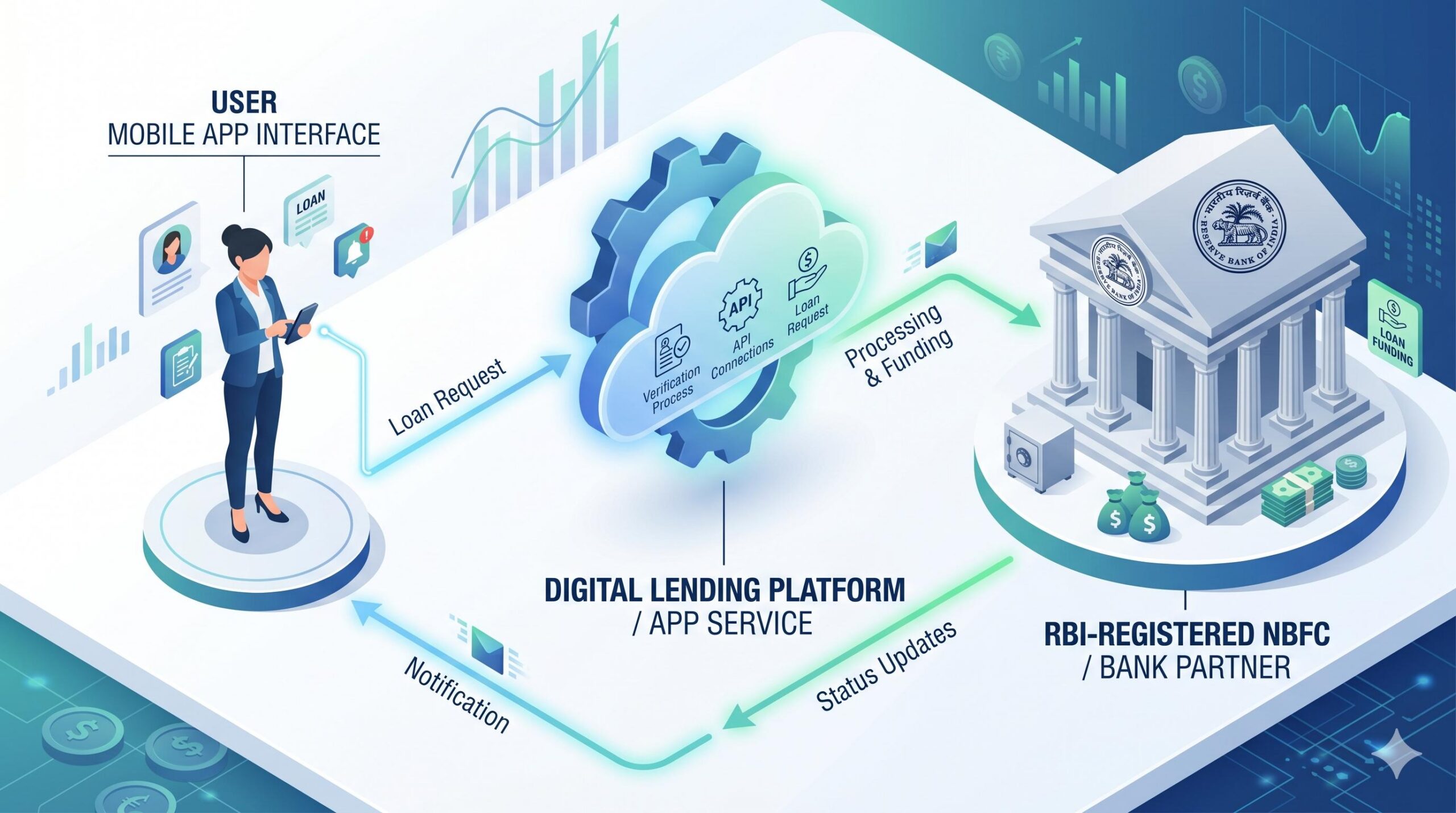
A legitimate loan app operates in one of two ways:
- Directly owned by a Bank or NBFC: The app is simply the digital storefront for a regulated financial institution.
- Operating as a Digital Lending App (DLA) or Lending Service Provider (LSP): The app acts as a technology platform that connects you with an RBI-registered NBFC or Bank. In this case, the app itself does not lend its own money; it facilitates the loan on behalf of the regulated partner.
So when you check an app, what you are checking is if the financial service provider behind the app has a valid CoR from RBI. An app that does not clearly specify which NBFC or bank is providing the funds for its loans, is most probably unauthorized.
Step-by-Step Guide: How to Check If a Loan App Is RBI Registered
Taking some time to verify a lender is not hard but does take several minutes. These are the exact steps you need to follow before downloading any digital lending application or submitting your KYC docs.
1. Look for NBFC or Bank Partnerships in the “About” Section
The most important step is transparency. Legitimate loan apps are legally required to display the name of their lending partners clearly.
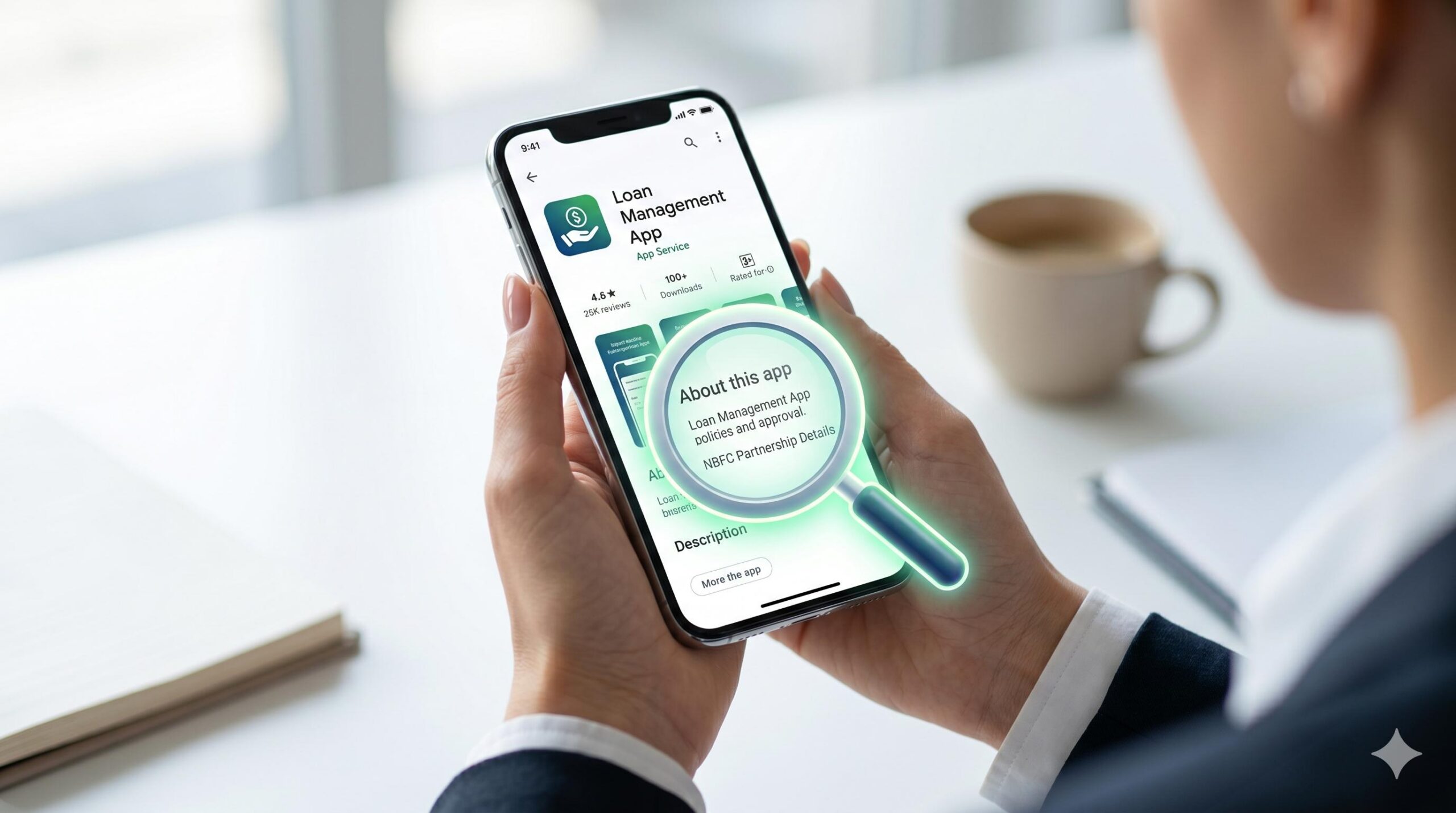
- Go to the app’s page on the Google Play Store or Apple App Store.
- Scroll down to the “About this app” section.
- Read through the description carefully. You should clearly see a statement like, “Loans are provided by [Name of NBFC/Bank], an RBI-registered NBFC.”
- If the app description only talks about fast approvals and ignores mentioning a lending partner, treat it as a massive red flag.
2. Verify the Entity on the Official RBI Portal
Once you have the name of the NBFC or Bank mentioned in the app, you must verify that the entity actually exists and is authorized by the government.
- Visit the official website of the Reserve Bank of India.
- Navigate to the section for NBFCs or search for the “List of Valid NBFCs” (this directory is regularly updated by the RBI).
- Download the official PDF or use the search function to look up the exact name of the NBFC claimed by the loan app.
- If the name is on the list, the backing entity is legitimate. If the name is missing or the CoR stands canceled, do not use the app.
3. Check for a Key Fact Statement (KFS)
Under the RBI’s recent digital lending guidelines, all regulated lenders must provide a Key Fact Statement (KFS) before the loan contract is executed. This document standardizes the disclosure of the Annual Percentage Rate (APR), processing fees, and the repayment schedule. Unregulated apps typically hide their real fees in the fine print and do not provide a standard KFS.
4. Analyze the App Permissions
Unregistered loan apps are notorious for demanding excessive permissions to steal user data.
- Before installing, review what the app needs access to.
- A legal RBI-registered app will only ask for permissions necessary for basic KYC (like your camera for a selfie and location to verify your region).
- An illegal app will demand access to your Contacts, Photo Gallery, and Call Logs. They do this to scrape your personal data. Never grant these permissions to a lending app.
How Unregistered Loan Apps Cause Future Loan Rejections
At loanrejectionhelp.com, we frequently see borrowers whose financial profiles have been severely impacted by interacting with unregulated loan apps. Choosing an unauthorized lender does not just expose you to immediate financial risk; it actively damages your ability to get legitimate credit in the future.

Such loans are super-expensive, as these loan apps often charge exorbitant, hidden interest rates and “processing fees” that get deducted even before the loan is disbursed. This generates a debt trap; the kind of predatory credit arrangement in which repayment is like sin — inevitable. This subsisting financial burden tends to force borrowers to default on their actual loans and credit cards. Credit bureaus report those missed payments, which in turn devastates your CIBIL score. So you apply with a real bank that is registered with the RBI for a secured loan and when their automated systems see your credit history, your application get rejected.
Personal Loan vs Credit Card Loan: Which is Better for Your Financial Health?
Safe Borrowing: Getting Approved by RBI-Registered Lenders
Now, that you have understood the way of checking if a loan app is registered with RBI, your next target is fulfilling the eligibility criteria of these authentic platforms. Regulated lenders have tighter approval processes, but their interest rates, terms and legal rights are more fair.
This is how you can increase your chances of being accepted by a regulated lender:
- Maintain a Healthy Credit Score: Real lenders always depend on credit bureaus. Ensure you are covering all your current cards and EMI charges on time to develop proper credit history for yourself.
- Keep Your Debt-to-Income (DTI) Ratio Low: Regulated apps will evaluate your monthly income vs existing debt obligations. If you want your loan easy, you keep the DTI at ground level showing the lenders that a new loan will not be financial burden for you.
- Provide Accurate Documentation: Always have an accurate PAN card, and support documentation such as bank statements should also be correct and perfectly match your application details to avoid automated rejections.
Conclusion
In today’s world, understanding how to check if a loan app is registered with the RBI is a must-have skill for any borrower. The ANNEX therefore recommends verifying the NBFC or Bank partner behind any app, referring to an official directory at RBI, ensuring valid permissions are requested by the app and remain aligned with digital lending guidelines.
Staying away from these unaccountable platforms protects you from falling into a serious debt trap, gives you peace of mind in avoiding harm to your credit score and ensuring that with future loan applications through legitimate institutions are greeted with approval — not rejection. Just keep in mind that a few minutes spent verifying today can mean years of reduced pressure on your finances tomorrow.
Frequently Asked Questions (FAQs)
Q: How do I easily verify if an NBFC partnered with a loan app is genuine?
A: To begin with, you can find the name of NBFC in the “About this app” section available in any app store. After this, go to the official Reserve Bank of India (RBI) website and in the ‘List of Non-Banking Financial Companies (NBFCs)’, you will find its name. If the company name is not found on that official list, then the app is not genuinely supported.
Q: Can an unregistered loan app directly lower my CIBIL score?
A: Do unregistered and illegal loan apps have any right to report the default on repayment of loans to credit bureaus like CIBIL? But they themselves create the worst kind of debt traps, where genuine credit cards and bank loans will have to default by borrowers due to these indirect destruction of your CIBIL score.
Q: Do RBI-registered apps guarantee instant loan approval?
A: No, apps registered with the RBI will lend responsibly i.e. your creditworthiness will be assessed at all times for lending. They will request to see your income, any existing debt and your credit history before they approve a loan for you. If it says you can get “100% Guaranteed Approval” no matter what your financial situation, that is an extremely large red flag for fraud.
Q: What is a Key Fact Statement (KFS) in digital lending?
A: A Key Fact Statement or KFS is a pre-contractual document which all lenders regulated by the RBI need to provide you with prior to entering into an agreement for your loan. The reason for this is the clear dish of the entire amount to be reimbursed which should include mentions regarding the Annual Percentage Rate (APR), handling fees and exact dates where reimbursements will take place, allowing no information omission.
Q: What should I do if I downloaded an app and suspect it is not RBI registered?
A: A shady company asks you to pay a fee in order to reserve your spot. As soon as, open your phone settings and revoke app permissions (especially access to contacts, storage and gallery). Delete the app and if. you have been scammed, report the App on national cybercrime portal