Introduction
CalHFA rates are the specific interest rates set by the California Housing Finance Agency for its suite of mortgage programs designed to assist low-to-moderate-income residents. Borrowers search for these rates to determine the monthly cost of their mortgage and to evaluate how these state-sponsored options compare to private market loans. These rates are primarily influenced by the performance of the secondary mortgage market (specifically Mortgage-Backed Securities), the Federal Reserve’s monetary policy, and the specific type of down payment assistance (DPA) program a borrower chooses to pair with their loan.

At loanrejectionhelp.com, we understand that for many Californians, these rates represent the difference between continuing to rent and finally owning a home. However, navigating the daily fluctuations of these rates while ensuring your application meets strict state guidelines requires a clear, step-by-step approach.
Table of Contents
What is CalHFA and How Do Their Rates Work?
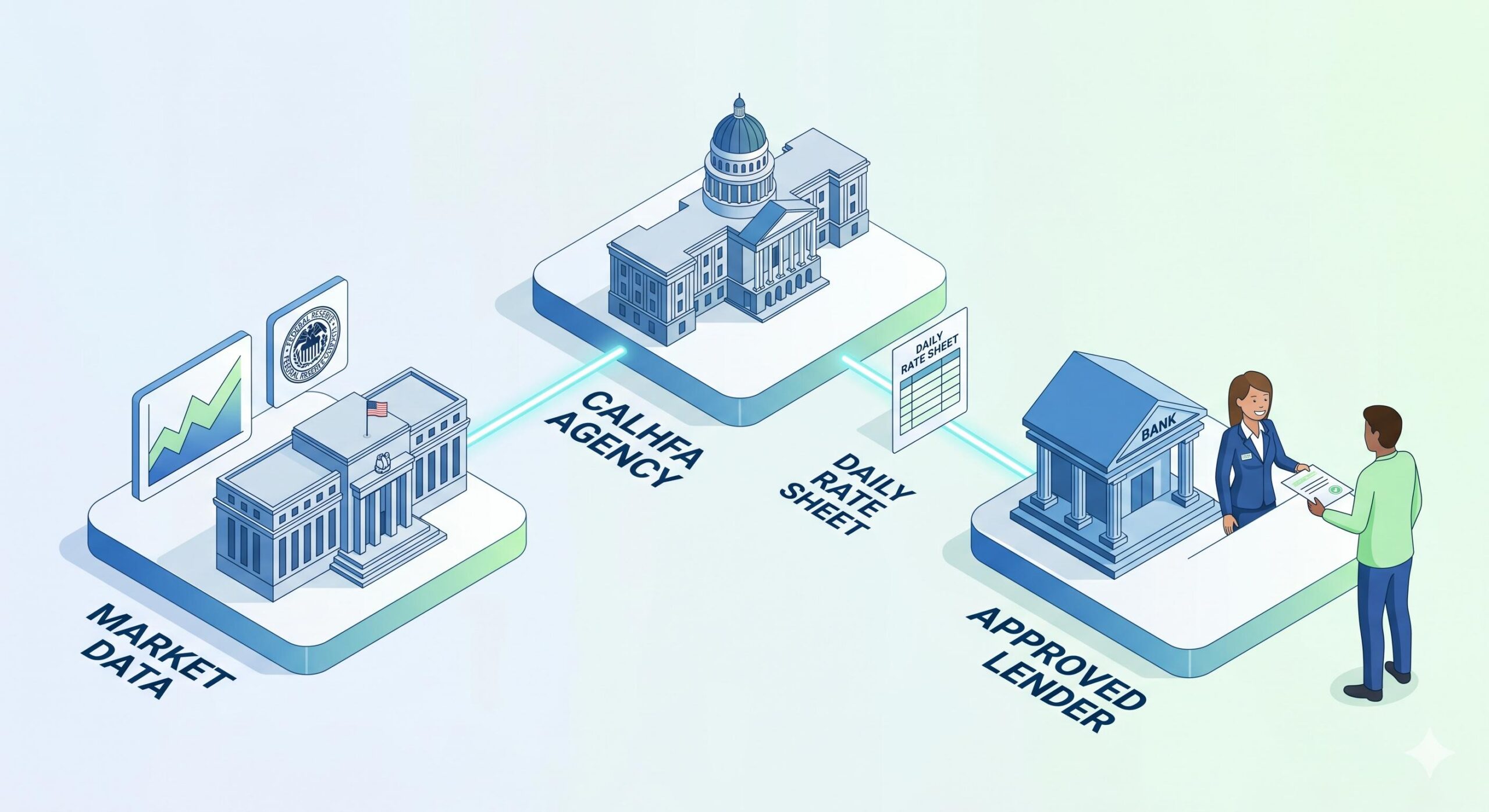
The California Housing Finance Agency (CalHFA) is a self-supporting state agency that provides affordable financing options. Unlike a traditional private bank, CalHFA does not lend money directly to consumers. Instead, they partner with approved private lenders who process the loans, while CalHFA sets the qualifying criteria and the interest rate.
The Purpose of CalHFA Rates
CalHFA rates are generally competitive, but they serve a specific purpose: providing stability for borrowers who might not qualify for the lowest “prime” rates at a traditional bank due to limited down payment funds. Because these loans often come with Down Payment Assistance (DPA), the interest rate may be slightly different from a standard 30-year fixed mortgage you see advertised on national news sites.
How Often Do Rates Change?
CalHFA updates its interest rate sheet daily. These rates are influenced by the Mortgage-Backed Securities (MBS) market. When the bond market is volatile, CalHFA rates will shift accordingly. It is important for borrowers to realize that the rate is not “locked” until a lender officially registers the loan with CalHFA on your behalf.
Factors That Influence CalHFA Rates
While the state agency sets the baseline, several variables determine the specific rate you are quoted by an approved lender. Understanding these factors can help you avoid surprises during the application process.
1. Loan Program Type
CalHFA offers several different “flavors” of loans, each with its own rate structure:
- CalHFA Conventional: These often follow the pricing of Fannie Mae or Freddie Mac.
- CalHFA FHA: These are government-insured loans which often have lower interest rates but require Mortgage Insurance Premiums (MIP).
- CalPLUS Programs: These typically have a slightly higher interest rate because they include a zero-interest down payment assistance loan (ZIP) to cover closing costs.
2. Down Payment Assistance (DPA) Correlation
One of the unique aspects of CalHFA is the ability to layer assistance. For example, the MyHome Assistance Program provides a deferred-payment junior loan for down payments or closing costs. Sometimes, opting for more assistance results in a slightly higher interest rate on the first mortgage to offset the agency’s risk.
3. Market Volatility
The Federal Reserve’s monetary policy indirectly affects CalHFA rates. If the Fed raises the federal funds rate to combat inflation, mortgage rates across the board—including those for state-sponsored programs—tend to rise.
Why CalHFA Loan Applications Get Rejected
Even with the best CalHFA rates, an application can still face rejection. Understanding these “red flags” can help you prepare your finances before you even look at a rate sheet.
Credit Score Thresholds
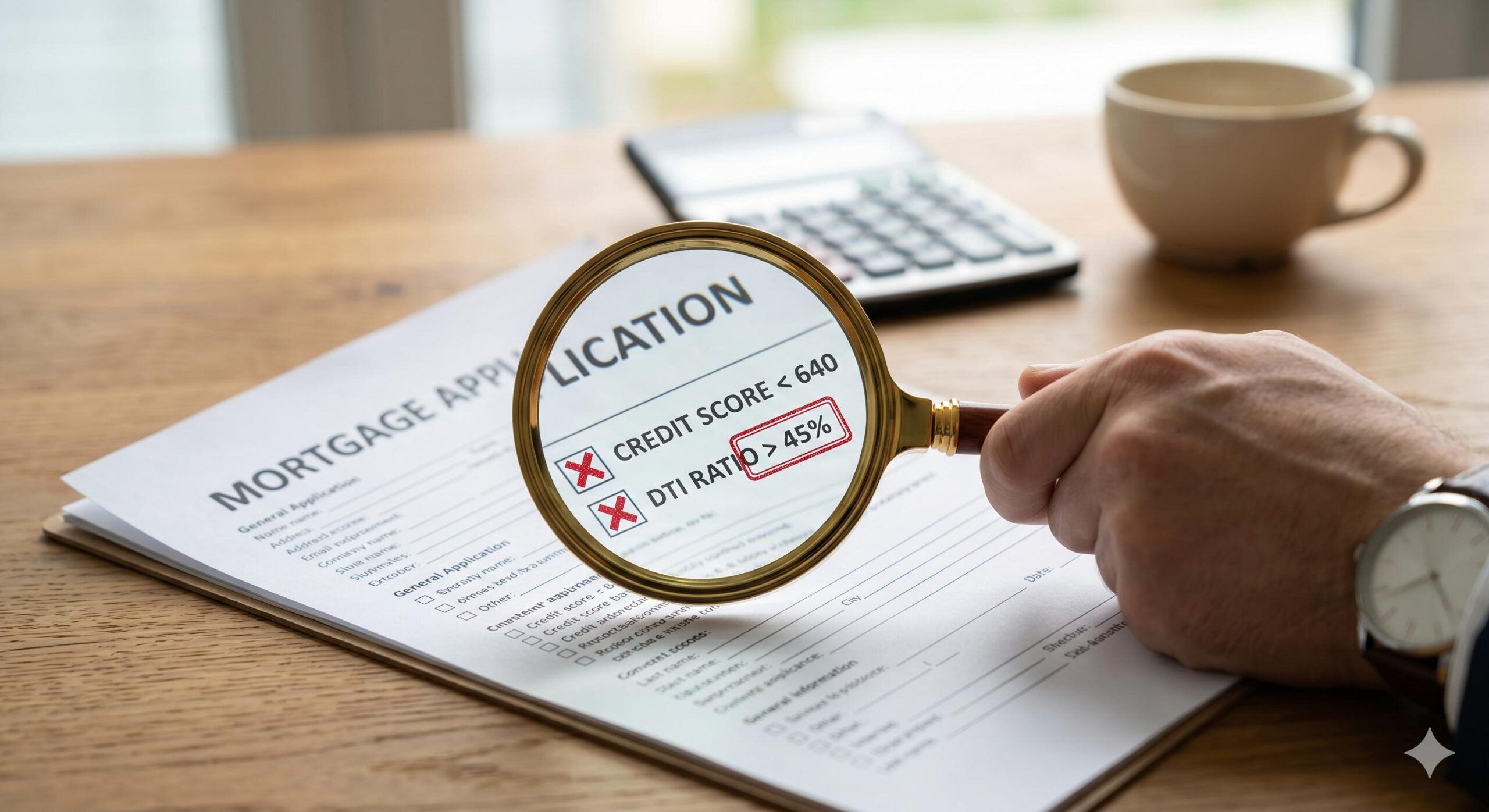
CalHFA has strict minimum credit score requirements. For most programs, a 640 or 660 FICO score is the absolute baseline. If your score is 639, the lender cannot move forward, regardless of your income.
Debt-to-Income (DTI) Ratios
CalHFA typically limits the DTI ratio to 43% or 45% (though some exceptions exist up to 50% depending on the credit score). If your monthly debts plus your new mortgage payment exceed this percentage, your loan will likely be rejected.
Frequently Asked Questions (FAQ)
1. Where can I find the most current CalHFA rates?
CalHFA publishes its daily interest rates on its official website every business day around 9:00 AM PT. However, you must work with a CalHFA-approved lender to get a personalized quote based on your specific financial profile.
2. Are CalHFA rates higher than conventional rates?
Sometimes. Because CalHFA programs often include down payment assistance, the interest rates may be slightly higher than a “standard” loan where the borrower provides a 20% down payment. The trade-off is the significantly lower upfront cash requirement.
3. Can I lock in a CalHFA rate before finding a house?
No. To lock in a rate, you generally need a fully executed purchase contract on a specific property. Your lender will then register the loan with CalHFA to secure that day’s rate.
4. Do I have to pay back the assistance if I get a low rate?
Yes. Most CalHFA assistance programs are “deferred-payment” loans. While you don’t make monthly payments on the assistance portion, the full balance is due when you sell the home, refinance, or pay off the primary mortgage.
5. What happens if CalHFA rates drop after I apply?
If rates drop significantly before your loan is locked, you may be able to take advantage of the lower rate. However, once the rate is locked, it is generally set for the duration of the 30-day or 45-day lock period.
Equitable Mortgage Explained: A Complete Guide to Property Loan Security
Conclusion: Securing Your Future in California
Understanding CalHFA rates is more than just watching a number on a chart; it is about recognizing the opportunity to build equity in one of the most competitive real estate markets in the world. While these rates provide a path for first-time buyers, the key to a successful closing lies in preparation. By maintaining a strong credit score, keeping your debt-to-income ratio in check, and working with a knowledgeable lender, you can minimize the risk of rejection and maximize the benefits of state-sponsored assistance.
At loanrejectionhelp.com, we encourage you to view your mortgage application as a comprehensive financial project. Rates will fluctuate, but a well-prepared borrower is always in the best position to capitalize on the right moment.
Educational Disclaimer: The information provided in this article is for educational purposes only and does not constitute financial, legal, or investment advice. Interest rates and program guidelines are subject to change by the California Housing Finance Agency without notice. Always consult with a CalHFA-preferred lender or a certified financial advisor before making a mortgage commitment.
Risk Awareness: All mortgage loans involve risk, including the risk of foreclosure if monthly payments are not maintained. Down payment assistance loans often create additional liens on the property that must be satisfied upon sale or refinance.