
Introduction
When navigating the home-buying process, many first-time borrowers search for the specific term usda property eligibility. In simple terms, this concept refers to the strict geographic, structural, and functional criteria a home must meet to qualify for a zero-down-payment mortgage backed by the United States Department of Agriculture. Borrowers frequently search for this phrase because discovering that a chosen home does not qualify is a leading, unexpected cause of loan rejection, leaving buyers frustrated after investing time and money into the application process.
Ultimately, this eligibility is affected by three main factors: the physical location of the property (which must fall within a designated rural or suburban boundary), the property type (restricted strictly to primary, non-income-producing residences), and the physical condition of the home (which must meet rigorous safety and sanitary standards).
At loanrejectionhelp.com, our goal is to help you understand the deeper financial and regulatory mechanisms behind lending decisions. A loan denial is not always about your credit score or debt-to-income ratio. Often, the bank approves the borrower, but the government rejects the property. By understanding the core concept of property eligibility, you can narrow your housing search, avoid unnecessary appraisal fees, and approach the mortgage process with confidence.
Table of Contents
The Financial Concept: What is the USDA Rural Development Program?
To fully grasp property eligibility, you must first understand the financial purpose of the loan itself. The USDA Rural Development Guaranteed Housing Loan Program was created to stimulate economic growth and improve the quality of life in rural and semi-rural communities.
Because the government is backing the loan—meaning they promise to pay the lender a significant portion of the balance if the borrower defaults—they take on a massive amount of credit risk. To mitigate this risk, the government dictates exactly what kind of asset (the house) can be used as collateral.
Unlike conventional loans, where the lender is primarily concerned with the home’s market value, USDA guidelines are heavily concerned with the home’s location, safety, and utility. They are not funding luxury estates, commercial farms, or investment properties; they are funding safe, modest housing for everyday families. If a property strays from this specific economic purpose, it will fail the eligibility test, resulting in a swift loan rejection.
The Three Pillars of USDA Property Eligibility
When an underwriter and an appraiser evaluate a home for this specific loan, they are grading the property against three strict pillars of eligibility. If the home fails any single category, the loan cannot be approved.
1. Geographic Location (The “Rural” Definition)
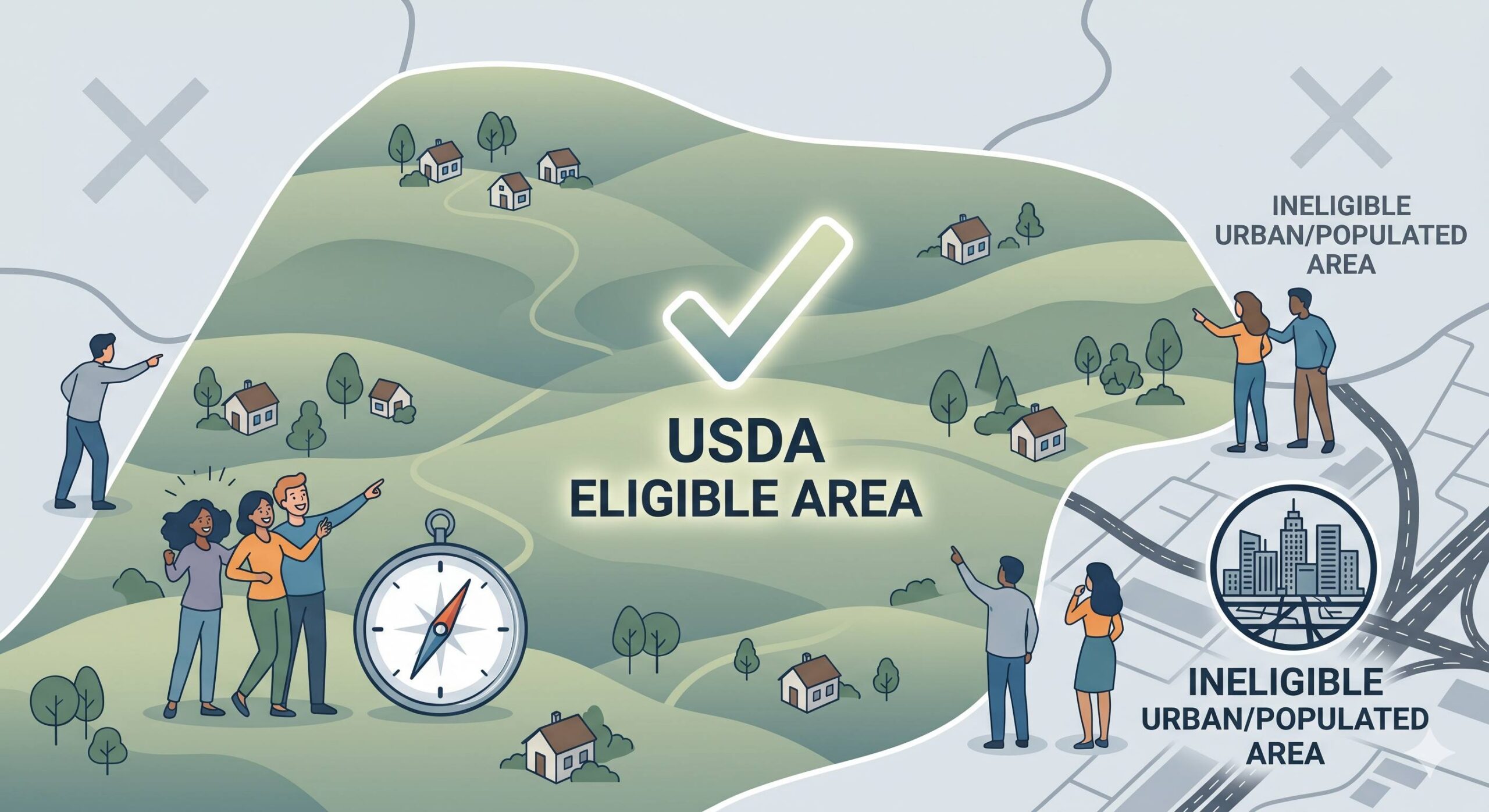
The most definitive factor of usda property eligibility is where the house is physically located. Despite the name, a property does not need to be in a remote agricultural field to qualify. The government defines “rural” quite broadly, often encompassing small towns, suburbs outside of major metropolitan limits, and developing exurbs.
Generally, eligible areas are defined as open country or towns with a population of fewer than 35,000 people. However, these boundaries shift dynamically based on census data. A house that was eligible five years ago might lose its eligibility today if the surrounding town has experienced significant population growth. Because location is a binary factor—a home is either inside the eligible boundary or outside of it—borrowers must verify the address on the official government eligibility map before making an offer.
2. Property Type and Intended Use
The second pillar revolves around how the property will be used. The financial intent of this program is to foster homeownership, not to fund business ventures or real estate empires. Therefore, the property must be a single-family dwelling that the borrower will occupy as their primary residence.
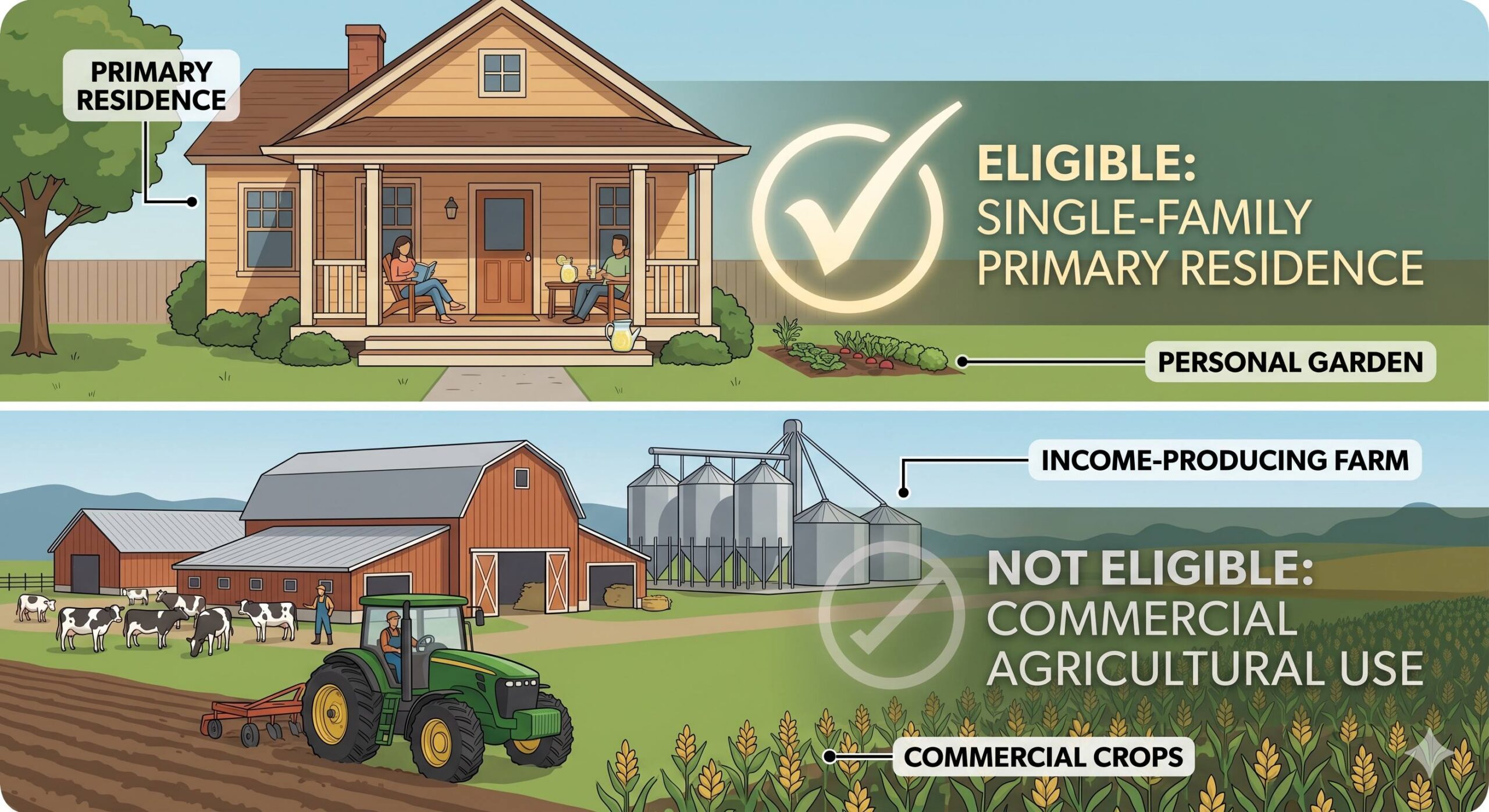
Properties that are generally ineligible include:
- Multi-family homes (such as duplexes or triplexes).
- Properties designed for commercial, income-producing use.
- Working farms or properties with extensive agricultural outbuildings designed for profit (a small backyard garden is fine; a commercial cattle operation is not).
- Investment properties or vacation homes.
Furthermore, the property must be considered “modest” for the area. While there is no strict acreage limit, the value of the land itself cannot exceed the value of the home, usually capping out around 30% of the total property value. If the land is worth more than the house, the government views it as an income-producing asset rather than a residential home, leading to a rejection.
3. Safety, Soundness, and Sanitary Conditions
Even if a home is in the perfect location and is a single-family residence, it must pass a rigorous physical inspection. The property must be deemed “safe, sound, and sanitary” to protect the borrower from unforeseen financial burdens and to protect the lender’s collateral.
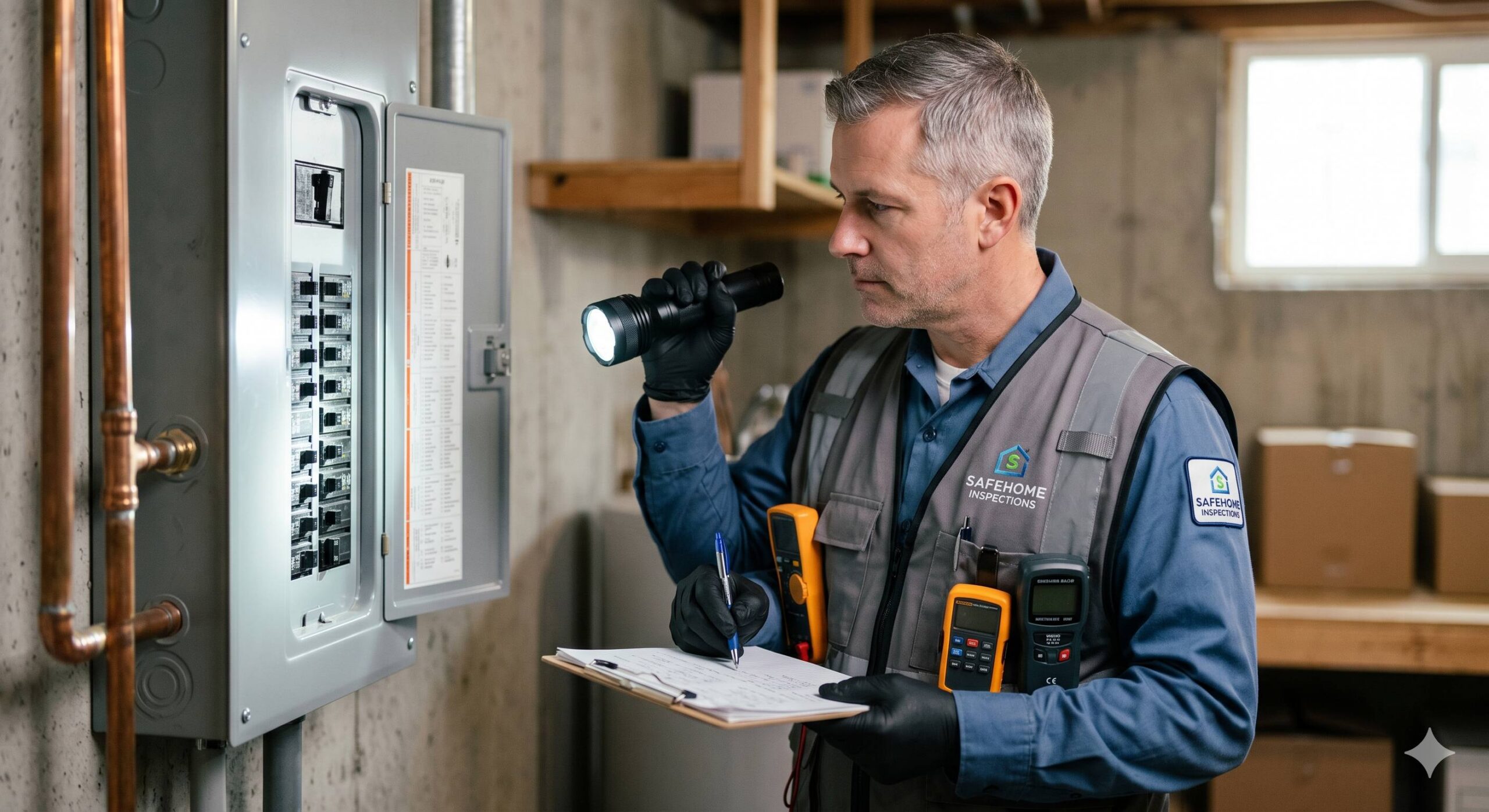
An approved appraiser will look for specific structural baselines:
- The Roof: It must keep moisture out and have a remaining physical life of at least a few years.
- The Foundation: It must be structurally sound with no severe settling or massive cracking.
- Systems: The electrical, plumbing, and heating systems must be fully operational and safe.
- Pests and Hazards: The home must be free of termite damage, lead-based paint hazards (in older homes), and structural decay.
If a home requires major repairs to become habitable, it will not meet the eligibility requirements in its current state.
Property-Based Loan Rejection: Why Homes Fail the Test
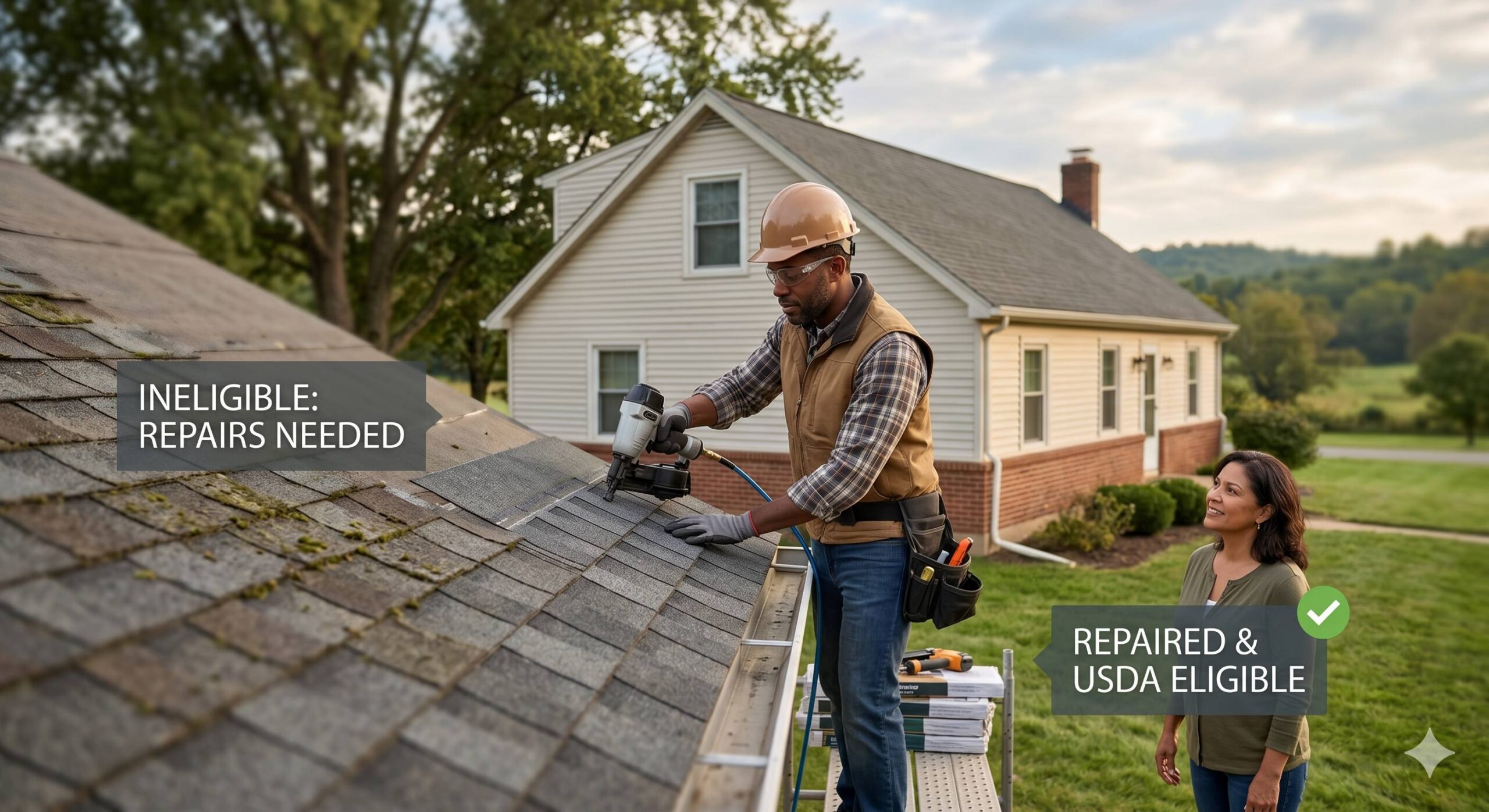
A common misconception among first-time borrowers is that a loan rejection is always a reflection of their personal financial health. In reality, property-based rejections are incredibly common in government-backed lending.
Imagine you have an excellent credit score, a low debt-to-income ratio, and stable employment. You find a beautiful older home just outside the city limits. However, during the appraisal phase, the inspector discovers that the electrical wiring is outdated and poses a fire hazard, or that the private well is too close to the septic system.
Because the home fails the “safe and sanitary” requirement of usda property eligibility, the lender cannot legally approve the mortgage. The loan is rejected not because of you, but because the collateral does not meet the necessary risk parameters. Understanding this distinction is a vital part of financial literacy. It prevents borrowers from feeling personally defeated and allows them to pivot their strategy—either by negotiating with the seller to fix the issues prior to closing or by simply finding a different property that meets the guidelines.
Responsible Borrowing and Risk Awareness
At loanrejectionhelp.com, we strongly advocate for responsible borrowing. The allure of a zero-down-payment loan is strong, but it requires diligent research.
Never assume a property qualifies just because a real estate agent suggests it might. Always rely on official maps and certified appraisers. Furthermore, remember that just because a home meets the basic property eligibility requirements does not mean it is a financially wise purchase for your specific budget. Even without a down payment, you are responsible for closing costs, property taxes, homeowners insurance, and ongoing maintenance.
Always calculate your total monthly housing cost and ensure it fits comfortably within your budget, maintaining a healthy debt-to-income ratio. Avoid taking on maximum loan limits just because you are approved; borrow only what you need to secure safe, reliable housing.
A Complete Guide to Understanding NatWest Mortgage Rates & Approval Factors
Frequently Asked Questions (FAQs)
What happens if a property fails the USDA eligibility appraisal?
If a property fails the appraisal due to safety or structural issues, your loan will be temporarily suspended or rejected. However, you often have the option to negotiate with the seller. If the seller agrees to complete the required repairs before the closing date, the appraiser can re-inspect the home. If the repairs meet the guidelines, the property becomes eligible, and the loan can proceed.
Can I buy a home with a swimming pool using this loan?
Yes, you can buy a home with a swimming pool. In the past, guidelines were stricter regarding pools, but recent updates have relaxed these rules. However, the appraiser will not include the value of the swimming pool when determining the fair market value of the property for the loan amount.
Do property eligibility maps change?
Yes, they do. The government updates the eligibility maps periodically based on new census data and population shifts. A town that was considered rural a decade ago may have grown too large and lost its eligible status. Always check the exact address on the official interactive map right before submitting an offer, as boundaries can change.
Can I use this loan to buy a working farm?
No. This is a common point of confusion. The Rural Development loan is strictly for residential housing. It cannot be used to purchase income-producing agricultural properties, commercial farms, or large tracts of land intended for business use. The property must be used solely as your primary personal residence.
Conclusion
Understanding usda property eligibility is a critical step in the home-buying journey, especially for those looking to utilize government-backed rural housing programs. By familiarizing yourself with the location boundaries, the restrictions on property types, and the strict physical condition standards, you can proactively avoid one of the most common causes of loan rejection.
A loan denial based on property criteria is simply a data mismatch between the home’s condition and the lender’s risk requirements. By keeping these educational guidelines in mind, you can conduct a smarter, more efficient housing search, protect your financial interests, and move one step closer to responsible homeownership.





1 thought on “USDA Property Eligibility: The Complete Guide to Rural Housing Requirements”