Introduction to the CIMB Personal Loan
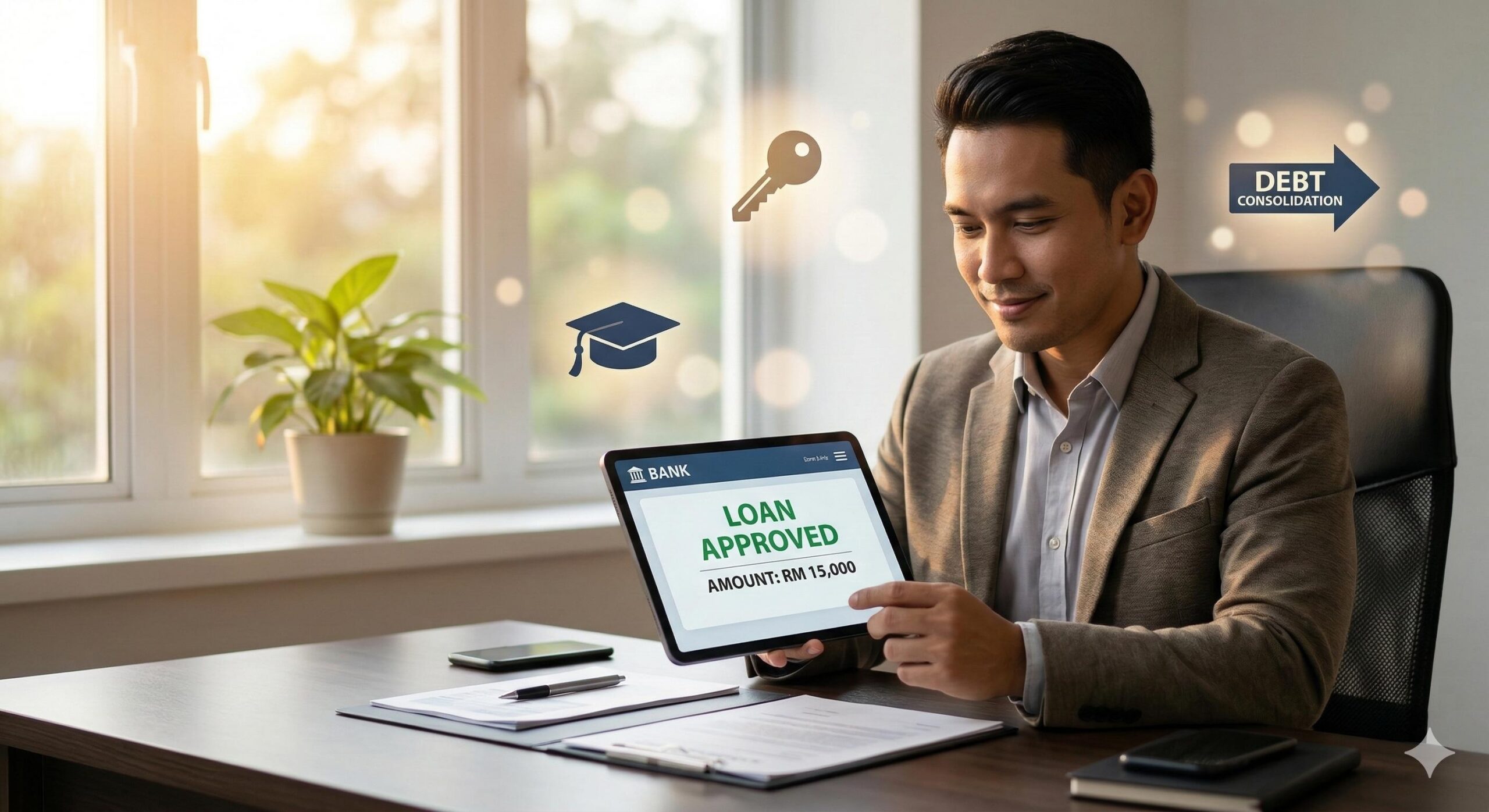
When navigating the world of consumer credit, a CIMB personal loan stands out as a highly sought-after financing solution. In simple terms, this keyword refers to an unsecured credit facility provided by CIMB Bank that allows eligible individuals to borrow a fixed lump sum of money, which is then repaid in steady, predictable monthly installments over a set tenure.
Borrowers frequently search for this specific financial product to consolidate high-interest debts, cover unexpected medical emergencies, or finance major life milestones using the bank’s competitive lending tiers. The exact terms of this loan—specifically whether an application is approved, the maximum disbursement amount, and the assigned interest rate—are heavily affected by the applicant’s credit score, their Debt Service Ratio (DSR), and the stability of their verifiable income.
At loanrejectionhelp.com, our goal is to enhance your financial literacy by breaking down how banking products actually work behind the scenes. Before worrying about approval or rejection, it is critical to understand the financial mechanics, particularly how interest rates dictate the true cost of borrowing.
Table of Contents
How Does a CIMB Personal Loan Work?
Unlike an auto loan or a mortgage, a CIMB personal loan is an unsecured loan. This means the bank does not require you to pledge any collateral (like a house or a car) to secure the funds. Because the bank is taking on more risk by lending money without collateral, the interest rates for personal loans are generally higher than those for secured loans.
When you sign a contract for this type of loan, you are agreeing to three main components:
- The Principal: The exact amount of money you are borrowing.
- The Tenure: The repayment period, which typically ranges from one to five years (12 to 60 months).
- The Interest Rate: The cost you pay the bank for the privilege of borrowing the money, usually expressed as a “Flat Interest Rate” per annum.
Demystifying the Interest Rate: Flat Rate vs. Effective Interest Rate (EIR)
The most important financial concept to grasp when researching a CIMB personal loan is how the interest is calculated. This guide would be incomplete without explaining the critical difference between the Advertised Flat Rate and the Effective Interest Rate (EIR).
The Flat Interest Rate
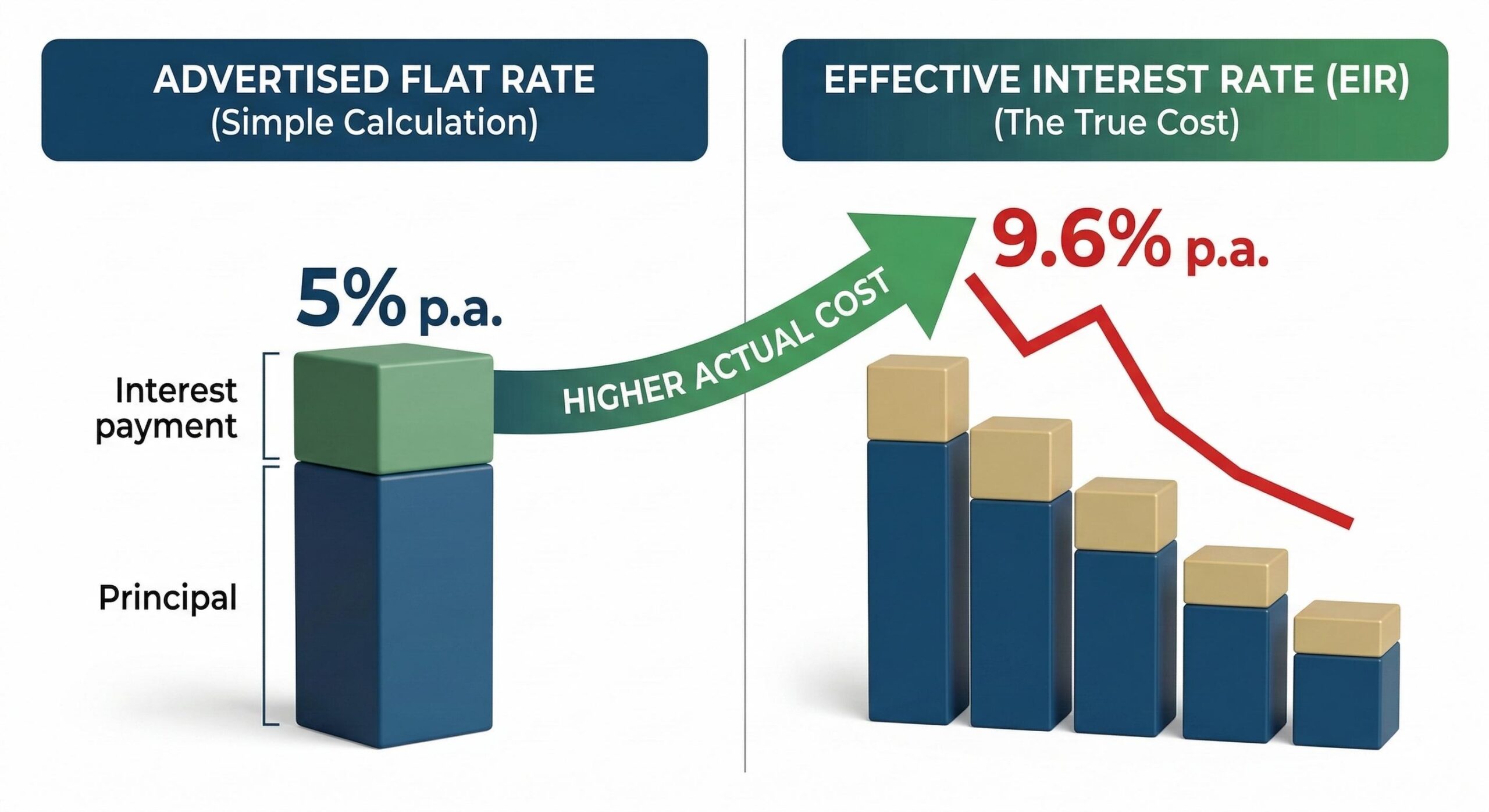
Personal loans in Southeast Asia and many global markets generally utilize a Flat Interest Rate calculation. This means the total interest you pay is calculated based on the original principal amount borrowed, and it remains fixed for the entire tenure of the loan, regardless of how much of the principal you have already paid off.
Example Calculation:
If you borrow $10,000 at a Flat Rate of 5% per annum for a tenure of 5 years:
- Interest per year: $10,000 x 5% = $500
- Total Interest over 5 years: $500 x 5 = $2,500
- Total Amount to Repay: $10,000 (Principal) + $2,500 (Interest) = $12,500
- Monthly Installment: $12,500 / 60 months = $208.33
The Effective Interest Rate (EIR)
While the flat rate is used to calculate your monthly payment, it does not represent the true cost of borrowing. Because you are paying down the principal every month, you don’t actually owe the full $10,000 for all five years.
The Effective Interest Rate (EIR) reflects the actual mathematical cost of the loan on a reducing balance basis. For a flat rate of 5%, the EIR is typically much higher (often closer to 9% or 10%). Financial institutions are required by law in most jurisdictions to disclose the EIR alongside the flat rate to ensure borrowers understand the genuine economic cost of the facility.
Understanding this distinction prevents “rate shock” and allows you to accurately compare a CIMB personal loan against other financial products, like credit card balance transfers or overdraft facilities.
Key Factors That Affect Your Loan Terms
When you submit an application, the bank’s underwriting algorithm assesses your risk profile to determine your specific interest rate and loan limit.
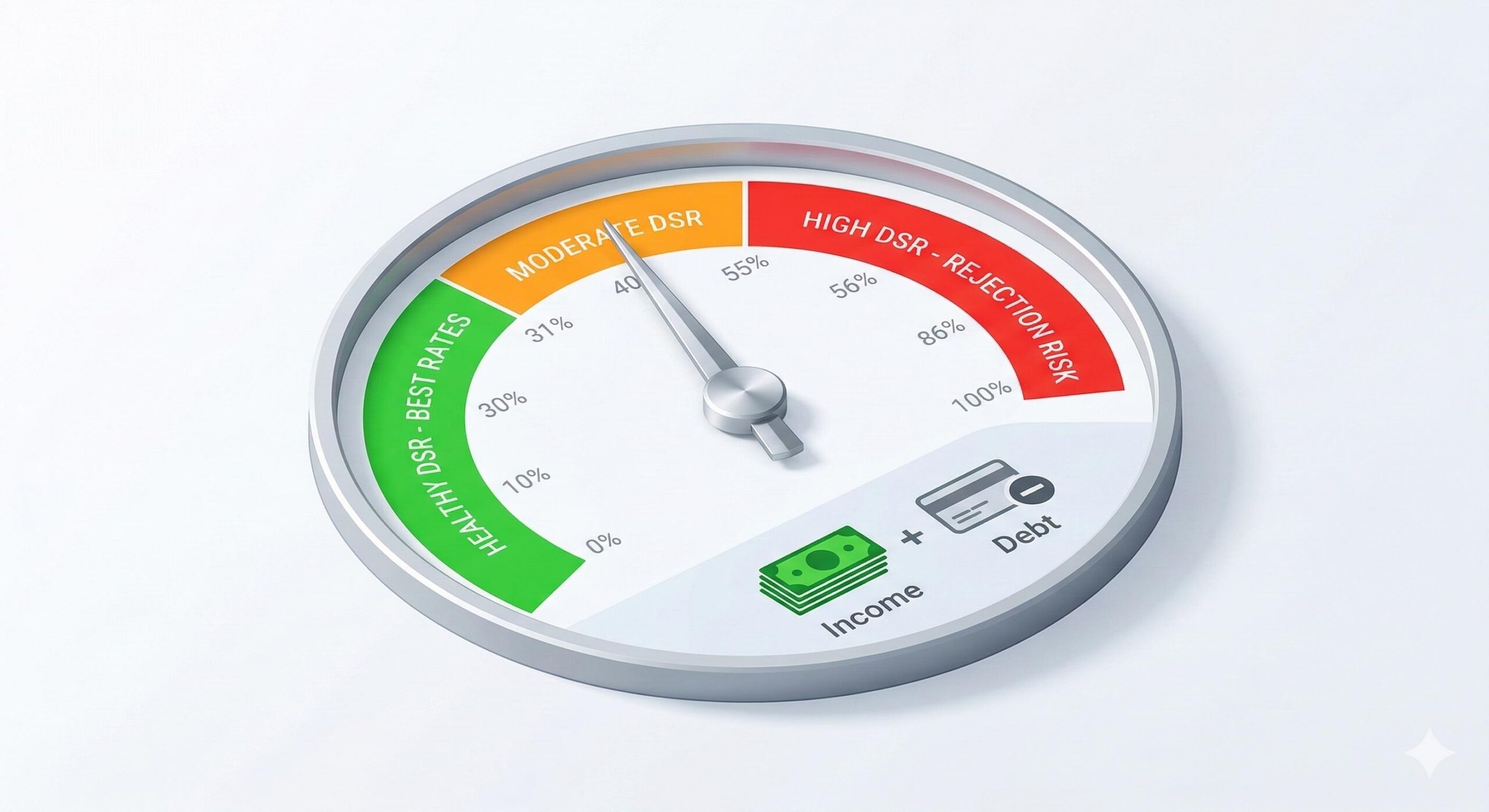
1. The Debt Service Ratio (DSR)
Your Debt Service Ratio is a calculation used by banks to see how much of your income is already dedicated to paying off debt.
- Formula: (Total Monthly Debt Commitments / Net Monthly Income) x 100
If your DSR is above 60%, banks view you as “over-leveraged,” meaning you have very little disposable income left at the end of the month. A high DSR is the primary trigger for higher interest rates or outright loan rejections.
2. Credit History and Scoring
Banks rely on national credit bureaus to review your payment history. A flawless record of paying credit cards and existing loans on time positions you as a “Tier 1” borrower, granting you access to CIMB’s lowest advertised promotional rates. Conversely, a history of late payments signals high risk, resulting in higher assigned interest rates.
3. Employment Type and Income Bracket
Salaried individuals working for multinational corporations or government sectors are generally viewed as lower risk due to the predictability of their income. Self-employed professionals or freelancers may face slightly stricter underwriting, requiring robust proof of consistent income (like audited accounts or two years of tax returns) to secure the best rates.
Common Reasons for Loan Rejection
At loanrejectionhelp.com, we see many borrowers surprised by a declined application. If your CIMB personal loan application is rejected, it usually stems from one of these foundational financial metrics falling short:
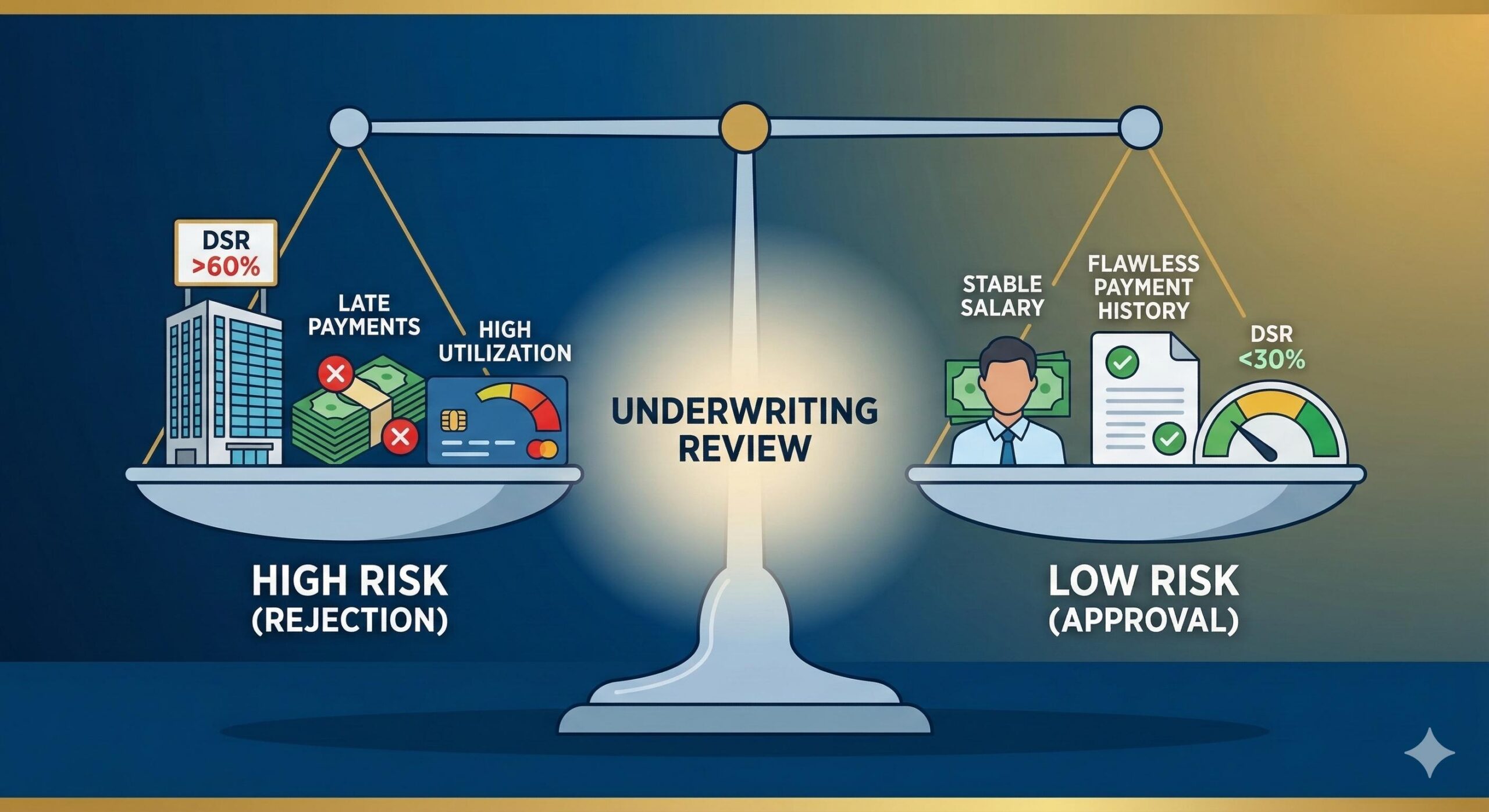
- Exceeding the Maximum DSR: If the new loan pushes your monthly debt obligations past the bank’s internal threshold, the system will automatically reject the application to prevent you from defaulting.
- Adverse Credit Remarks: Defaulted accounts, accounts currently under debt management programs, or recent bankruptcies are immediate red flags.
- Insufficient Income: Failing to meet the bank’s minimum gross annual income requirement for the specific loan tier.
- Multiple Recent Applications: Applying for multiple credit cards or personal loans across different banks within a short window makes you appear “credit hungry,” which alarms underwriters.
Strategies to Improve Your Approval Odds
If you plan to apply for a loan in the near future, taking proactive steps can ensure you qualify for the lowest possible interest rate:
- Consolidate and Clear Minor Debts: Pay off small credit card balances before applying. This immediately lowers your DSR and improves your credit utilization ratio.
- Maintain a Stable Banking Pattern: Ensure your salary is credited consistently into your main bank account and avoid bouncing checks or overdrawing your current accounts.
- Space Out Applications: Wait at least three to six months between applying for different credit facilities to protect your credit score from taking a hit due to “hard inquiries.”
- Prepare Accurate Documentation: Ensure your payslips, tax declarations, and bank statements perfectly align. Discrepancies in declared income are a frequent cause for administrative rejections.
Mazda Finance: A Complete Guide to Auto Loans and Financing
Frequently Asked Questions (FAQ)
1. What is the minimum income required for a CIMB personal loan?
The minimum income requirement varies depending on your region. For example, in Malaysia, the CIMB Cash Plus Personal Loan typically requires a minimum gross monthly income of RM 2,000. In Singapore, it usually requires a minimum annual income of S$20,000 for citizens/PRs. Always check your local CIMB branch guidelines for exact regional criteria.
2. Can I pay off my CIMB personal loan early?
Yes, you can settle your personal loan before the tenure ends. However, the policies on early settlement fees differ by country. Some regions allow early settlement with zero penalties (provided you give a 1-month written notice), while others may charge an early repayment fee (e.g., 3% of the outstanding principal). Review your specific contract’s terms and conditions.
3. Are there hidden processing fees?
In most standard promotional campaigns, CIMB does not charge an upfront processing fee or stamp duty for standard personal loan disbursements. However, late payment penalty fees (usually calculated as a percentage of the overdue amount) will apply if you miss your monthly installment deadlines.
4. How long does the approval process take?
CIMB is known for fast turnaround times. If you are an existing customer or apply digitally using verified government data portals, approval can be instant or within 24 hours. For self-employed applicants or offline applications, processing typically takes 1 to 3 business days, provided all documentation is complete.
Conclusion
A CIMB personal loan is a powerful financial tool when utilized correctly. By thoroughly understanding the difference between flat interest rates and effective interest rates, you empower yourself to calculate the genuine cost of borrowing. Whether you are aiming to fund an emergency or consolidate scattered debts, the key to a seamless approval lies in preparation. Keep your Debt Service Ratio low, maintain a spotless credit history, and always ensure your income documentation is accurate.
At loanrejectionhelp.com, we remind you that borrowing is a multi-year commitment. Always borrow strictly within your means, plan your repayment strategy before signing the contract, and avoid using debt to finance depreciating lifestyle upgrades.

Educational Disclaimer: The information provided in this article is for educational and financial literacy purposes only and does not constitute professional financial advice. Interest rates, internal banking policies, and approval criteria are subject to change by the lending institution. Always review the official Product Disclosure Sheet (PDS) provided by the bank and consult with a certified financial advisor before committing to any credit facility.