
Introduction: Navigating Your Royal Bank Mortgage Rates
Buying a home is one of the most significant financial milestones you will ever reach, but the entire process often hinges on one crucial detail: the cost of your loan. Specifically, royal bank mortgage rates refer to the exact percentage of interest charged by the Royal Bank of Canada (or similar major financial institutions) when you borrow money to purchase real estate.
Borrowers actively search for these specific rates because securing a competitive percentage from a top-tier bank can drastically reduce your monthly housing payments and save you tens of thousands of dollars over the life of your loan. However, the rate you see advertised isn’t always the rate you get. Your final rate is heavily affected by national economic trends, your personal credit score, your debt-to-income ratio, and the size of your down payment.

At LoanRejectionHelp.com, our goal is to demystify these financial concepts. In this guide, we will break down exactly how these rates work and what you need to do to strengthen your application and avoid the stress of an unexpected loan rejection.
Table of Contents
Understanding How Mortgage Interest Works
To navigate the housing market successfully, you must first understand the product you are applying for. A mortgage is simply a large loan used to buy real estate, where the property itself serves as collateral. The interest rate is the cost of borrowing that money.
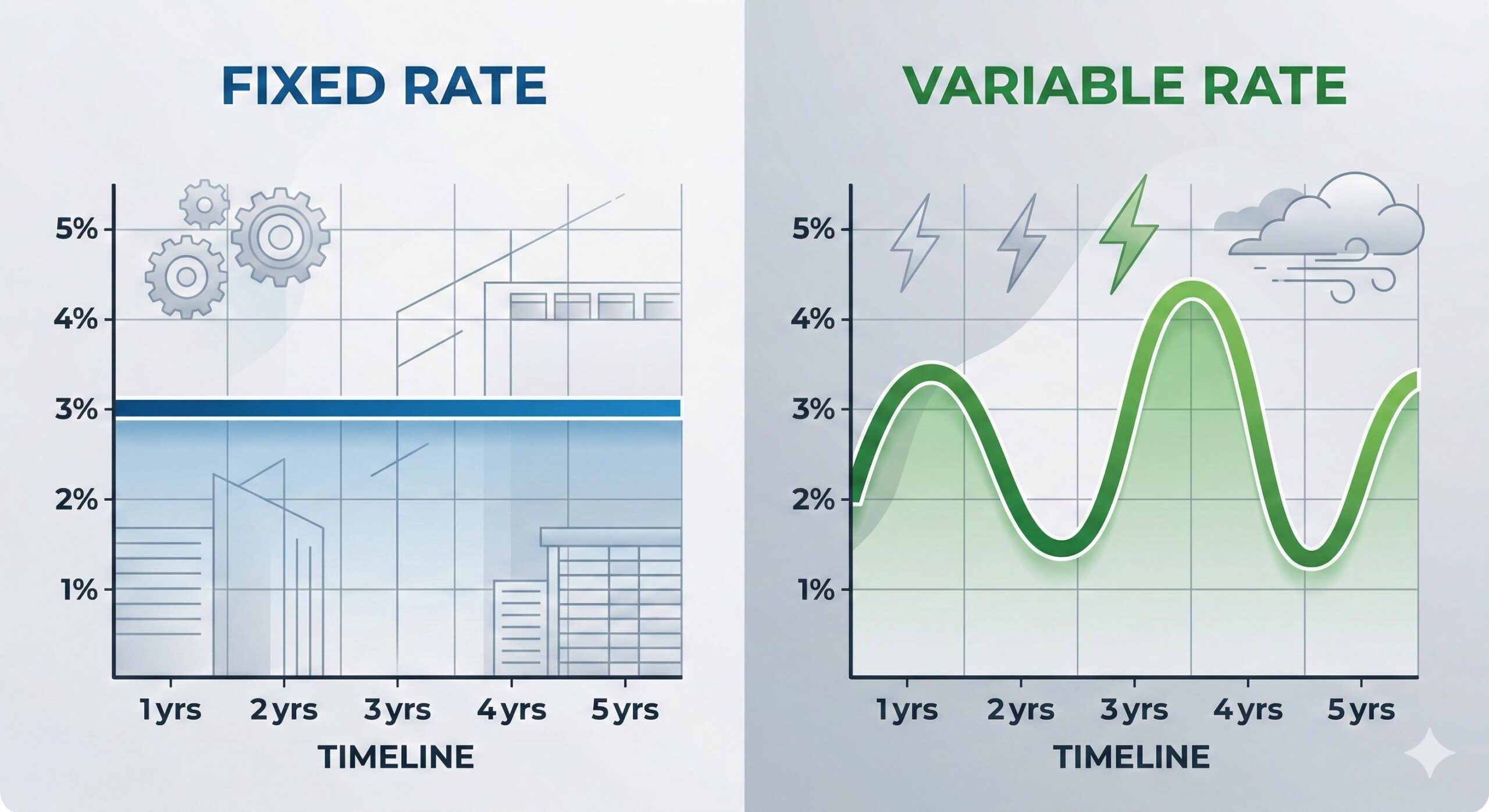
When you look at advertised royal bank mortgage rates, you are generally looking at two primary categories: fixed rates and variable rates.
- Fixed-Rate Mortgages: This is the most popular choice for first-time homebuyers. With a fixed rate, the interest percentage remains exactly the same for the entire duration of your mortgage term (typically ranging from one to five years). The primary benefit here is stability. You will know exactly what your principal and interest payment will be every single month, making household budgeting much easier and protecting you if national interest rates rise.
- Variable-Rate Mortgages: A variable rate fluctuates based on the bank’s “prime rate,” which is directly influenced by the country’s central bank. If the central bank lowers its benchmark rate, your variable mortgage rate drops, and more of your monthly payment goes toward paying off the actual house (the principal). However, if economic inflation causes the central bank to raise rates, your mortgage rate will increase along with it. This option carries more financial risk but can sometimes save borrowers money over the long run if rates trend downward.
Factors That Determine Your Specific Rate

It is a common misconception that the rates advertised on a bank’s website are guaranteed for everyone. Those are often the lowest possible rates for the most ideal candidates. The actual royal bank mortgage rates offered to you during the pre-approval process will depend on several personal financial factors.
- Your Credit Score and History: This is the most critical element. Lenders use your credit score to gauge how responsibly you handle debt. A high credit score (typically above 700) proves you pay your bills on time and manage credit cards well, which qualifies you for the lowest possible interest rates. A lower score indicates higher risk to the bank, resulting in higher interest rates or outright rejection.
- The Size of Your Down Payment: The amount of your own money you put toward the house purchase affects your rate. In many systems, putting down less than 20% of the home’s purchase price requires you to purchase mortgage default insurance. Ironically, because this insurance protects the bank if you stop paying, insured mortgages sometimes get slightly lower interest rates than uninsured ones.
- The Length of the Term: Mortgages are broken into terms (the length of time your current contract and rate are valid, usually 3 to 5 years) and amortization periods (the total time it takes to pay off the entire loan, usually 25 to 30 years). The length of the term you select will change the interest rate offered.
Why Mortgage Applications Get Rejected Even With Good Rates
At LoanRejectionHelp.com, we see many applicants who find great royal bank mortgage rates, assume they can afford the monthly payment, but still face a frustrating rejection from the underwriting department. Understanding why this happens is essential for any borrower.
High Debt-to-Income Ratios
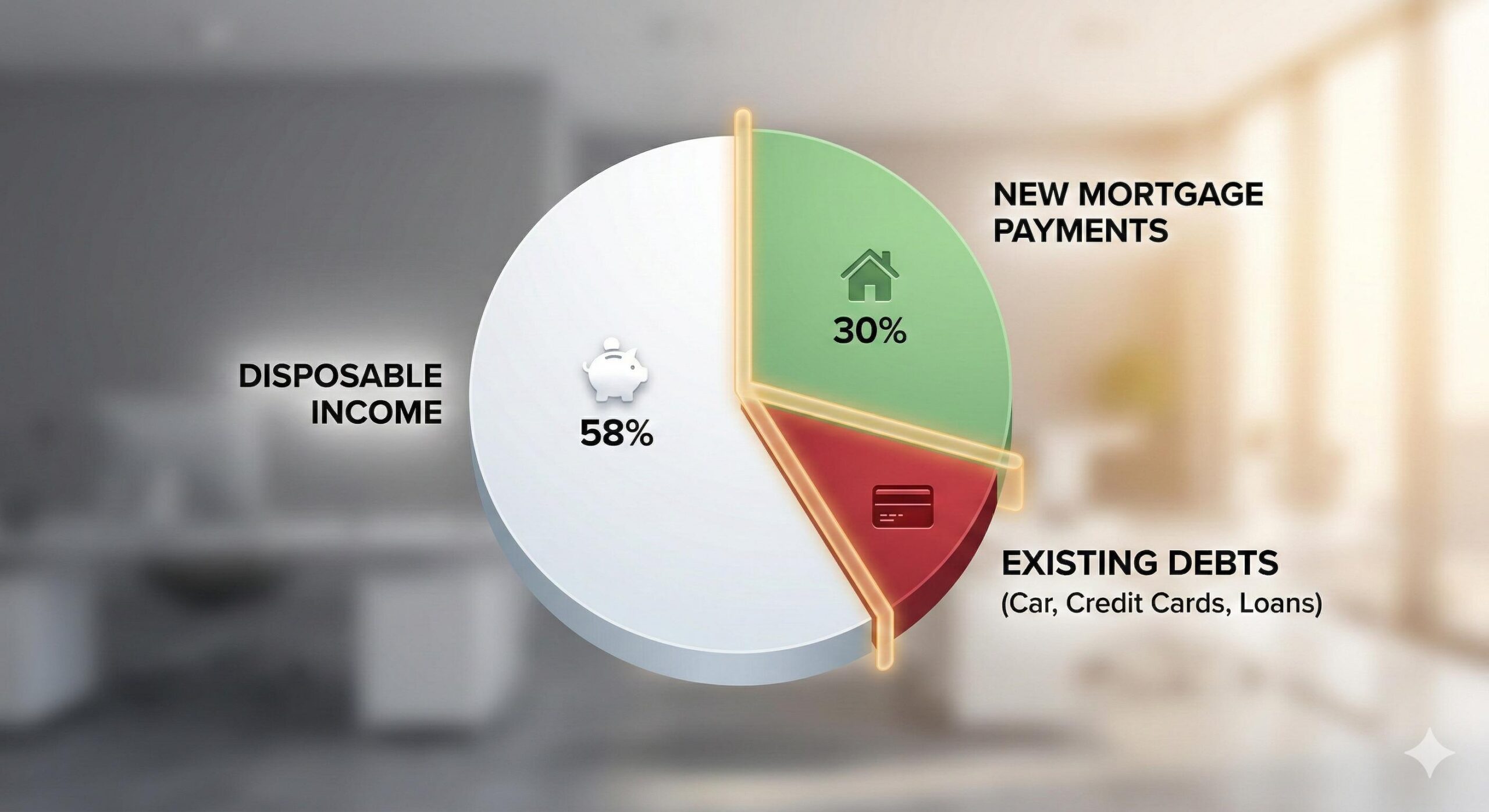
Banks do not just look at your income; they look at how much of your income is already promised to other creditors. Lenders calculate your Gross Debt Service (GDS) ratio and your Total Debt Service (TDS) ratio.
- GDS measures your housing-related costs (mortgage payment, property taxes, heating) against your gross income.
- TDS measures your housing costs plus all other debt obligations (car loans, student loans, minimum credit card payments) against your gross income.If your existing debts consume too much of your monthly paycheck, the bank will reject the application, regardless of how excellent your credit score might be.
Failing the Mortgage Stress Test
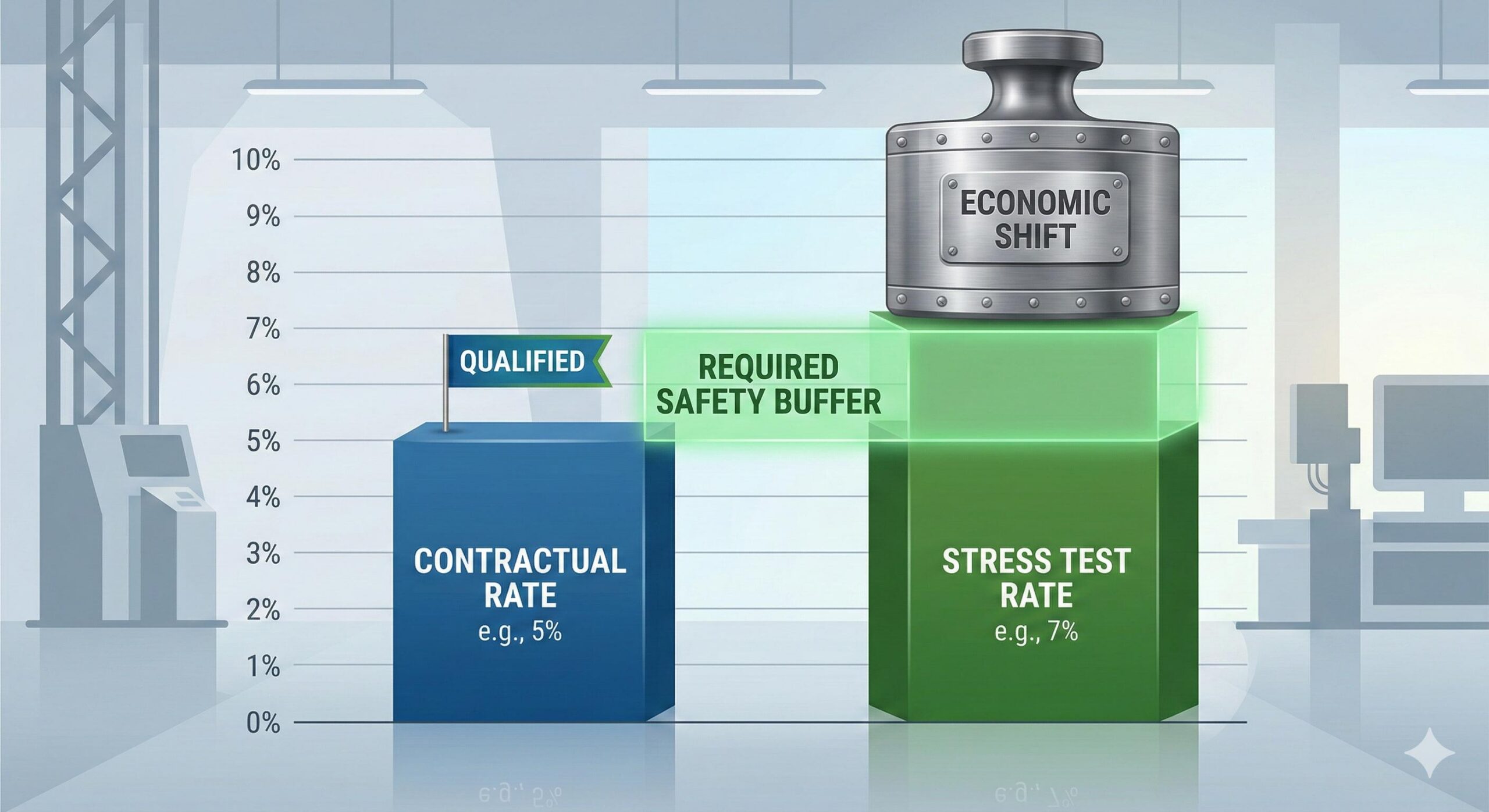
To ensure responsible borrowing and protect the economy, many countries require banks to apply a “stress test.” This means the bank must calculate whether you could still afford your monthly mortgage payments if interest rates suddenly increased significantly. Even if you qualify for the current royal bank mortgage rates, the bank will test your application against a hypothetical rate that is usually about 2% higher. If your budget cannot handle the higher simulated rate, the loan will be denied.
Inconsistent Employment History
Lenders want stability. They prefer borrowers who have been employed in the same industry, ideally with the same company, for at least two years. If you are a self-employed professional, the scrutiny is even higher. You will need to provide extensive documentation, such as two to three years of tax assessments, to prove a reliable average income. A recent job change or a shift from salaried to commission-based pay can trigger a rejection.
How to Protect Your Application and Improve Your Chances
If you are planning to apply for a mortgage soon, there are several actionable steps you can take to ensure you secure the best possible rates and pass the underwriter’s review.
- Audit Your Credit Report: Months before applying, request a copy of your credit report from major bureaus like Equifax or TransUnion. Look closely for any errors, such as accounts that do not belong to you or incorrect late payment marks, and dispute them immediately.
- Halt All New Credit Applications: Every time you apply for a new credit card or a car loan, a “hard inquiry” is placed on your credit file, which temporarily lowers your score. Furthermore, taking on new debt right before a mortgage application alters your debt-to-income ratio negatively.
- Pay Down Existing Balances: To improve your TDS ratio, focus on aggressively paying down high-interest credit card debt or personal loans. The less money you owe to others, the more favorable you look to a mortgage lender.
- Save a Larger Down Payment: A larger down payment reduces the overall loan amount, decreases your monthly payments, and builds immediate equity in the property, making the loan less risky for the bank.
Responsible Borrowing and Risk Awareness
Securing a mortgage is one of the largest financial commitments you will make in your lifetime. It is vital to practice responsible borrowing. Just because a lender approves you for a massive loan based on current royal bank mortgage rates does not mean you must borrow the maximum amount.
Always leave breathing room in your household budget for unexpected expenses, home repairs, and potential changes in your employment status. If you choose a variable rate, you must be financially prepared for the reality that your payments or amortization period could increase if the economic climate shifts. A strong financial plan prioritizes long-term stability over maxing out your borrowing capacity.
Freedom Mortgage Application Rejected? Common Reasons and Smart Approval Tips (2026 Guide)
Conclusion
Understanding how royal bank mortgage rates function is the foundation of a successful home-buying journey. By grasping the difference between fixed and variable options, recognizing how your credit score and debt levels influence the bank’s decision, and preparing yourself for the rigorous stress test, you can approach the application process with confidence. Remember, a loan rejection is rarely the end of the road; it is usually a signal to pause, improve your credit profile, lower your existing debt, and apply again when your financial foundation is stronger.






1 thought on “Demystifying Royal Bank Mortgage Rates: A Complete Guide to Approval and Rejection Factors”