Introduction
When borrowers search for 247 car finance, they are typically looking for round-the-clock auto finance brokers or digital platforms that connect car buyers with a wide panel of lenders at any time of day. This keyword represents the modern financial concept of using an intermediary broker—rather than applying to a single direct bank—to find vehicle funding. Borrowers actively search for this service because it offers unmatched convenience, rapid automated decisions, and access to specialized lenders who cater to a wide spectrum of credit profiles, including those with bad credit.
However, the final interest rate and approval you receive through a 24/7 car finance service are not a single guaranteed number; they are heavily affected by your personal credit score, your chosen loan type (such as HP or PCP), the size of your upfront deposit, and the age or condition of the vehicle you wish to buy.

Educational Disclaimer: This article is strictly for educational and informational purposes. The interest rates, broker mechanisms, and approval factors discussed are based on general financial industry practices. We do not guarantee loan approvals, specific interest rates, or financial outcomes. Always consult directly with a regulated credit broker, direct lender, or a certified financial advisor before making borrowing decisions. All borrowing involves financial risk, and your vehicle may be repossessed if you do not keep up with repayments.
The Financial Concept: What is 247 Car Finance?
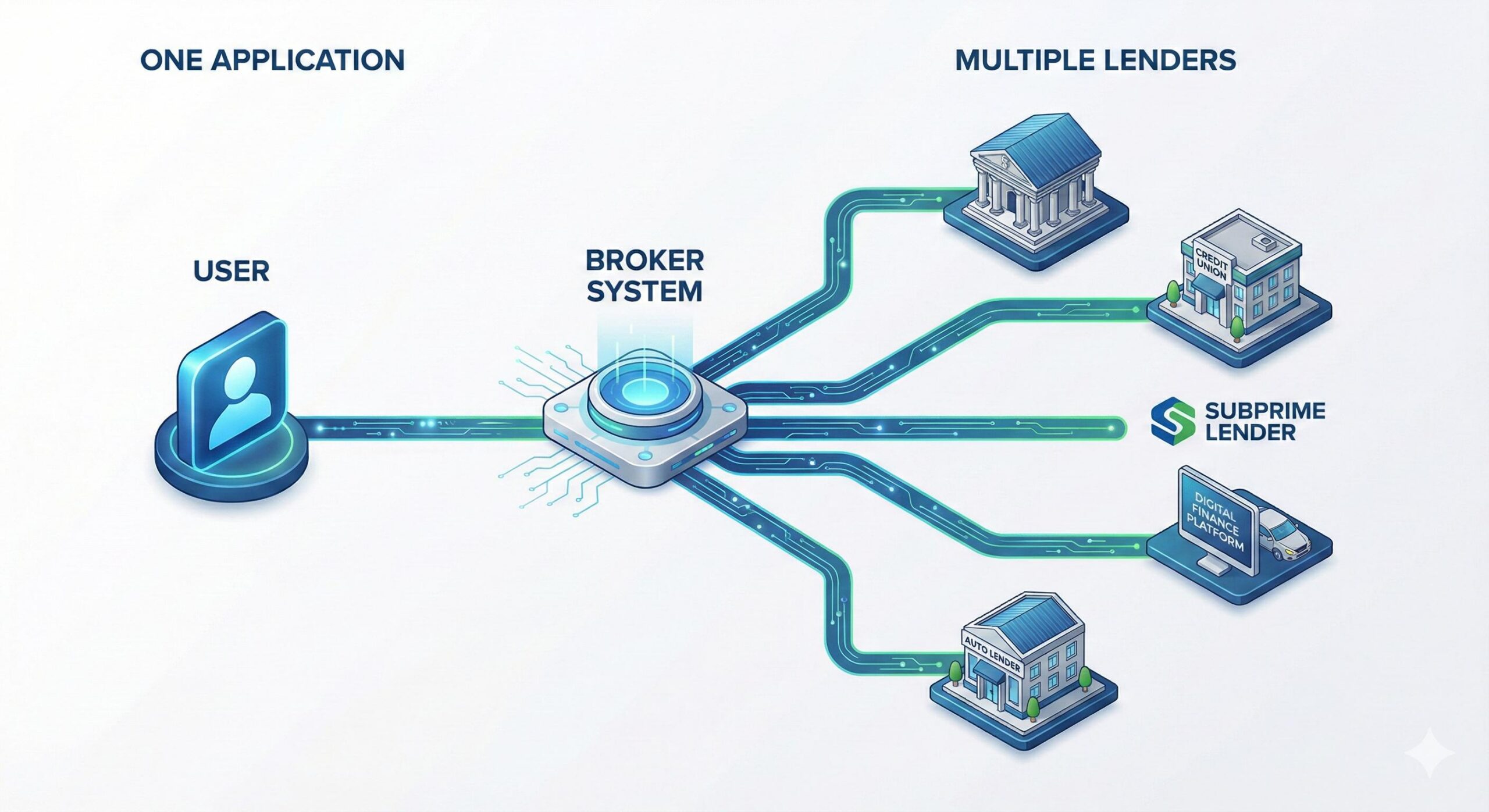
To truly grasp how auto financing works in the modern digital age, you must first understand the difference between a direct lender and a credit broker. When people use a 247 car finance service, they are almost always using a broker.
A direct lender is a bank or financial institution that uses its own money to fund your car purchase. If you apply directly to them, they only offer you their specific interest rates. If you do not meet their strict criteria, you are rejected, and you must start the process over elsewhere.
A 24/7 car finance broker, on the other hand, does not lend its own money. Instead, the broker has established relationships with a “panel of lenders”—which can include dozens of different banks, prime lenders, and subprime auto finance companies. The term “247” reflects the automated nature of these platforms. You can input your financial details into their website at any hour of the day or night. The broker’s algorithm instantly scans its entire panel of lenders to find the one whose lending criteria match your specific financial profile.
This system is highly efficient. It matches low-risk borrowers with top-tier lenders offering the lowest Annual Percentage Rates (APR), while simultaneously matching high-risk borrowers (those with poor credit histories) with specialized subprime lenders who are willing to take on more risk in exchange for a higher interest rate. The broker typically makes money by receiving a commission from the lender once the loan is finalized, which means the service is generally free for the consumer to use.
Types of Auto Finance Found on 24/7 Platforms
When a 247 car finance broker matches you with a lender, you will usually be offered different structural types of vehicle financing. Understanding these financial products is critical, as they dictate who owns the car and how much your monthly payments will be.
1. Hire Purchase (HP)
Hire Purchase is one of the most straightforward and popular types of car finance. In this arrangement, you pay an initial deposit (usually around 10% of the car’s value) and then pay off the remaining balance, plus interest, in equal monthly installments over a set term (typically 12 to 60 months).
- The Financial Catch: You do not actually own the car until you make the final payment (the “Option to Purchase” fee). During the loan term, you are essentially “hiring” the car from the lender. Because the loan is secured against the vehicle, the lender can repossess it if you default on payments.
2. Personal Contract Purchase (PCP)
PCP is slightly more complex but often yields lower monthly payments than HP. Instead of paying off the entire value of the car, your monthly payments only cover the car’s depreciation—the value it loses over the course of your contract.
- The Financial Catch: Because you are only paying for the depreciation and interest, you do not own the car at the end of the 36 or 48-month term. If you want to keep the car, you must pay a large, pre-agreed lump sum known as a “Balloon Payment.” Alternatively, you can simply hand the car back to the finance company or trade it in for a new PCP deal.
3. Personal Unsecured Loans
Sometimes, a broker may find that an unsecured personal loan is your best option. In this scenario, the bank gives you a lump sum of cash, which you use to buy the car outright.
- The Financial Catch: Because the loan is not secured against the vehicle, you own the car instantly. However, because the lender has no physical asset to repossess if you default, unsecured loans require a much higher credit score to secure a favorable interest rate.
How Your 247 Car Finance Interest Rate is Calculated
The interest rate you are offered is the most vital component of your car finance agreement, as it represents the true cost of borrowing. In auto finance, this is expressed as the Annual Percentage Rate (APR). The APR includes both the interest rate charged on the borrowed amount and any mandatory fees charged by the broker or lender, giving you a complete picture of the yearly cost.
Lenders use a system called Risk-Based Pricing. They do not offer the same “advertised” interest rate to everyone. When you see an advertisement for “Rates from 8.9% APR,” this is a representative rate. By law in many regions, only a certain percentage of approved applicants (often around 51%) actually need to receive that advertised rate. The remaining 49% will be offered a higher rate based on their perceived risk.
If a lender determines that there is a higher statistical probability that you might miss payments, they will charge a higher APR to offset that potential financial loss.
Key Factors That Affect Your Car Finance Rates
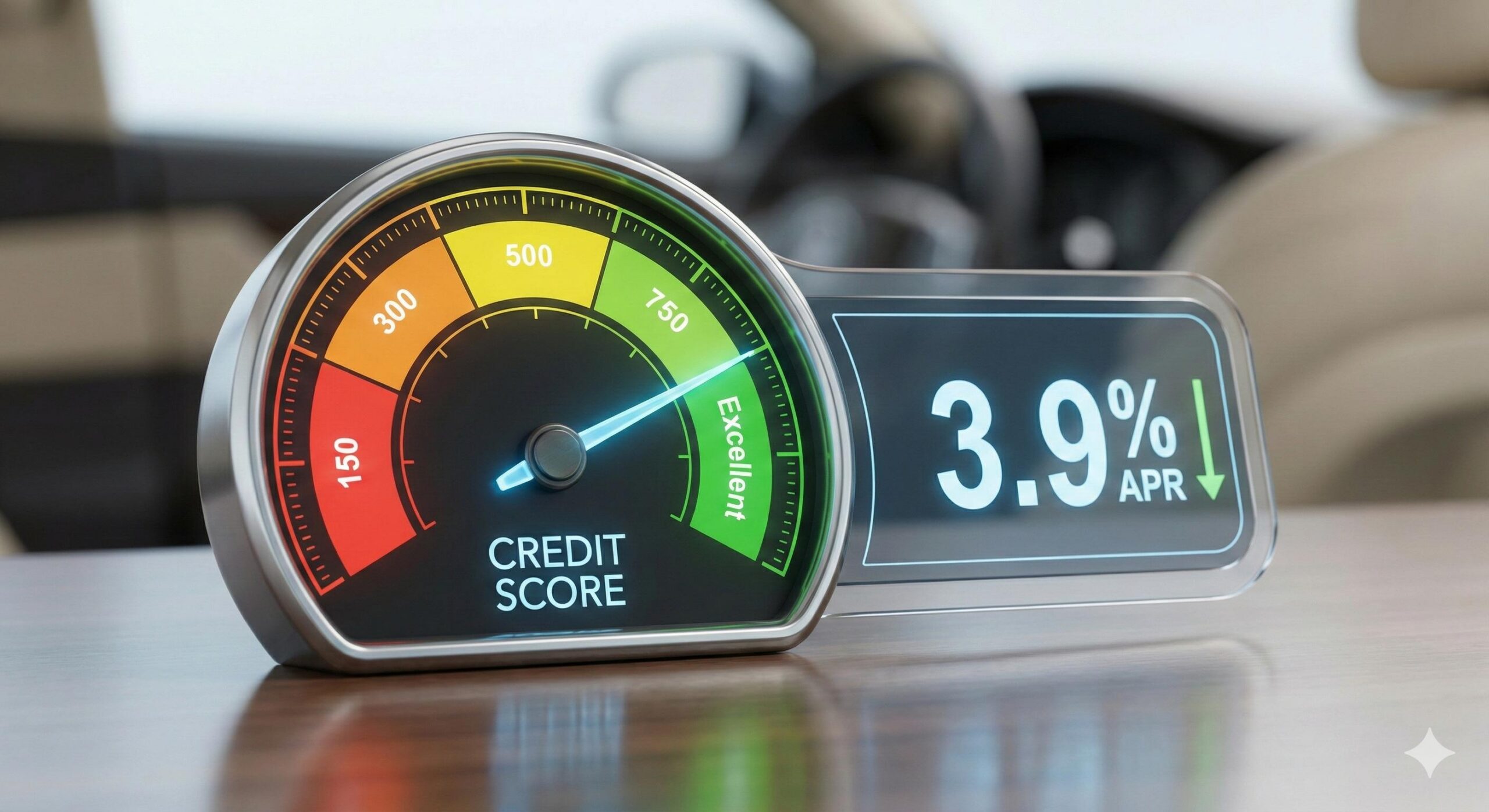
If you want to secure the lowest possible interest rate through a 247 car finance platform, you must understand the variables that lenders plug into their underwriting algorithms.
Credit History and Score
Your credit score is the numerical representation of your reliability as a borrower. Lenders look at your credit report to see if you have a history of paying credit cards, mortgages, and utility bills on time. A high credit score signifies low risk, unlocking the lowest interest rates. A low credit score, marked by missed payments or defaults, will restrict you to subprime lenders on the broker’s panel, resulting in significantly higher interest rates.
Loan-to-Value (LTV) Ratio and Deposit
The LTV ratio compares the amount of the loan to the total value of the car. If you are buying a $20,000 car and put down a $4,000 deposit, your loan amount is $16,000, creating an LTV of 80%. A lower LTV reduces the lender’s risk. If you default, the lender can sell the car and easily recoup their $16,000. Therefore, putting down a larger upfront deposit is one of the most effective ways to lower your interest rate.
Vehicle Age and Depreciation Risk
Lenders care deeply about the asset securing the loan. New cars or slightly used cars hold their value better. If you try to finance a 10-year-old car, the lender faces a high risk of the car breaking down or depreciating to zero before the loan is paid off. Consequently, loans for much older vehicles often carry higher interest rates or stricter repayment terms.
Why Borrowers Actively Search for 247 Car Finance Brokers
Understanding the search intent behind this financial service helps illuminate why brokers have become so dominant in the auto lending market.
- Soft Credit Search Capabilities: Applying directly to multiple banks triggers multiple “hard inquiries” on your credit report, which actively damages your credit score. 247 car finance brokers typically use a “soft search” to scan their lender panel. This allows them to show you exactly which lenders will approve you and at what rates, without leaving a negative footprint on your credit file.
- Solutions for Bad Credit: Traditional high-street banks have rigid lending criteria. If your credit score is below a certain threshold, the computer simply says no. Broker panels include specialist lenders who look beyond the credit score, considering factors like current employment stability and affordability, giving individuals with poor credit a second chance at securing a vehicle.
- Speed and Convenience: By operating 24/7 online, these platforms remove the need for face-to-face bank appointments. Borrowers can apply from their phones, get approved within minutes, and the broker handles the direct transfer of funds to the car dealership, allowing for same-day car purchases.
Common Reasons for Car Finance Application Rejection

Even with a massive panel of lenders, not every application submitted to a 247 car finance broker is approved. Understanding why applications are rejected can help you protect your financial profile.
High Debt-to-Income (DTI) Ratio
Also known as the Fixed Obligation to Income Ratio (FOIR), this is a measure of affordability. Lenders look at your monthly net income and subtract your current debt obligations (credit card minimums, rent/mortgage, personal loans). If adding a new car payment pushes your total debt obligations past 40% to 50% of your take-home pay, lenders will reject the application, regardless of how good your credit score is. They are legally obligated to lend responsibly and will not give you a loan you cannot mathematically afford.
Mismatched or Unverifiable Data
Fraud prevention algorithms are highly sensitive. If the address on your application does not match the address on your driver’s license, bank statements, or the electoral roll/voter registry, the system may flag the application as high-risk and reject it automatically.
Insufficient Employment History
Lenders want to see a steady stream of income. If you have just started a new job, are still in your probationary period, or have large gaps in your employment history, lenders may view your income as unstable and reject the application.
Step-by-Step Approval Tips for Car Finance
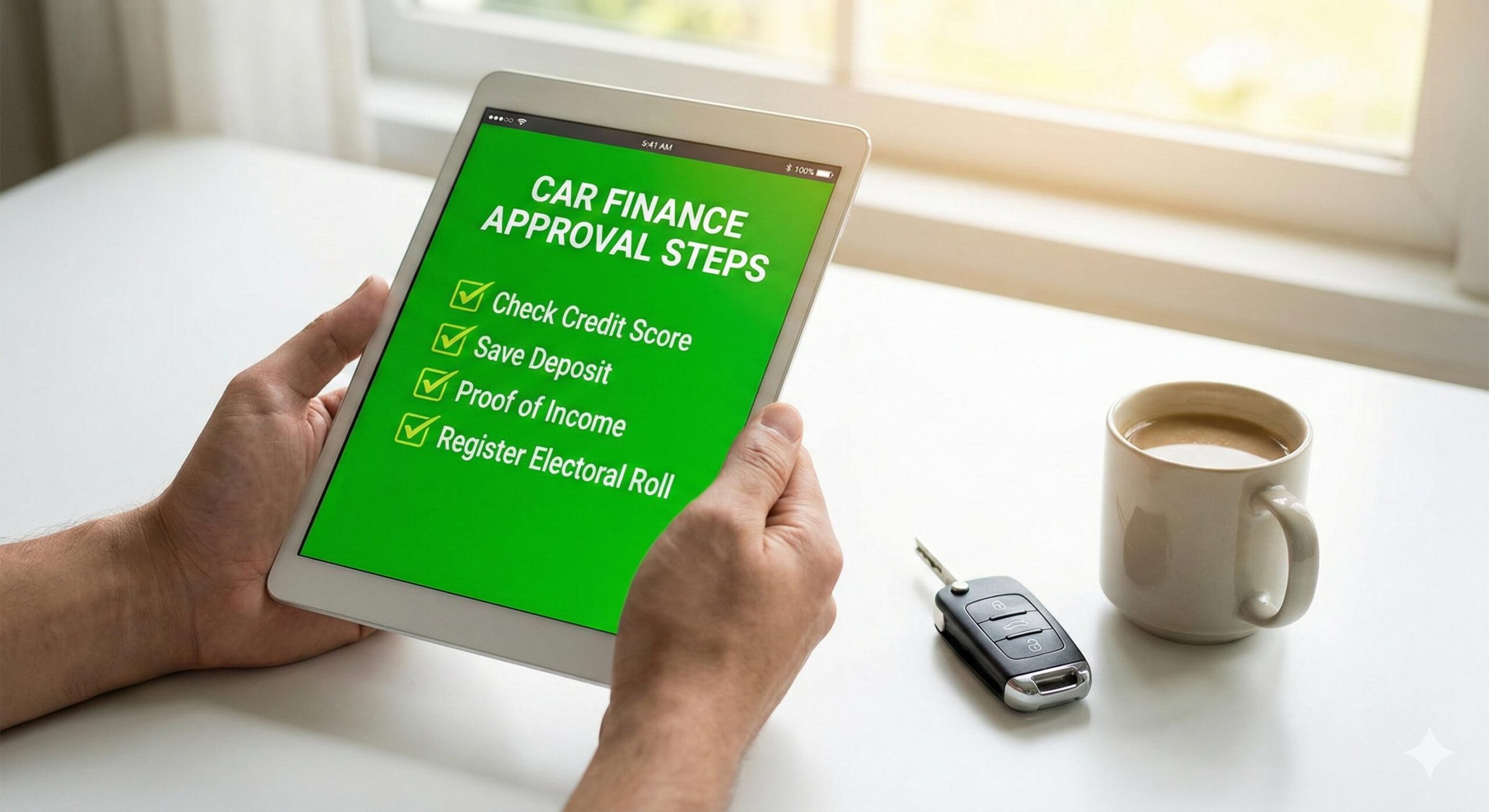
If you want to maximize your chances of approval and secure the best possible interest rate, you must treat your application like a financial resume.
- Check Your Credit Report Before Applying: Do not let a lender find a surprise on your credit file. Download your report from major bureaus (like Experian, Equifax, or TransUnion) and check for administrative errors. Dispute any incorrect late payments or fraudulent accounts before applying for car finance.
- Register on the Electoral Roll: In many countries, being registered to vote at your current address is the fastest way for lenders to verify your identity. This simple step can significantly boost your automated approval odds.
- Save a Meaningful Deposit: While some brokers advertise “No Deposit Car Finance,” applying with $0 down maximizes the lender’s risk and guarantees you the highest possible interest rate. Saving even a 10% deposit lowers your LTV ratio, reduces your monthly payments, and opens the door to lower-tier interest rates.
- Pay Down Existing Revolving Debt: If your credit cards are maxed out, lenders view you as financially strained. Pay your credit card balances down to below 30% of their total limit. This action simultaneously boosts your credit score and improves your Debt-to-Income ratio.
Navigating Rejections: Your Guide to the Bajaj Finserv Personal Loan
Responsible Borrowing and Risk Awareness
Access to 247 car finance makes buying a vehicle incredibly easy, but this ease of access requires a heightened sense of financial responsibility.
Beware of Negative Equity
Cars are depreciating assets; they lose value over time. If you take out a car loan with no deposit and an extended term (like 60 or 72 months), the car will likely lose value faster than you are paying off the loan. This results in “negative equity” (being upside down on the loan), where you owe the lender more than the car is actually worth. If the car is totaled in an accident, your insurance will only pay the current market value, leaving you to pay the remaining thousands of dollars out of pocket.
The True Cost of Long Loan Terms
Extending your loan term from 3 years to 5 years will lower your monthly payment, making the car feel more affordable. However, you will be paying interest for an additional two years. Over the life of the loan, you will pay significantly more total interest to the lender. Always aim for the shortest loan term that you can comfortably afford each month.
Read the Fine Print
If you are engaging in a PCP agreement, be acutely aware of mileage limits. PCP contracts estimate the future value of the car based on strict mileage limits (e.g., 10,000 miles per year). If you exceed this limit, you will be hit with hefty excess mileage penalty charges when you return the vehicle.
Conclusion
The concept of 247 car finance has revolutionized the way consumers purchase vehicles. By acting as an automated bridge between car buyers and a vast panel of lenders, these brokers provide unparalleled convenience, rapid approvals, and financial lifelines for those with poor credit.
However, convenience should never replace financial due diligence. The interest rate you are offered is a direct reflection of your credit health, your deposit, and your chosen loan structure. By taking the time to understand the differences between HP and PCP, proactively managing your credit score, and maintaining a healthy Debt-to-Income ratio, you can transform from a passive applicant into an empowered borrower. Always prioritize responsible borrowing—ensure that the luxury of a new car never compromises your long-term financial stability.
Would you like me to generate a checklist of the exact documents you should gather before applying for car finance to ensure a smooth, rapid approval process?