Introduction
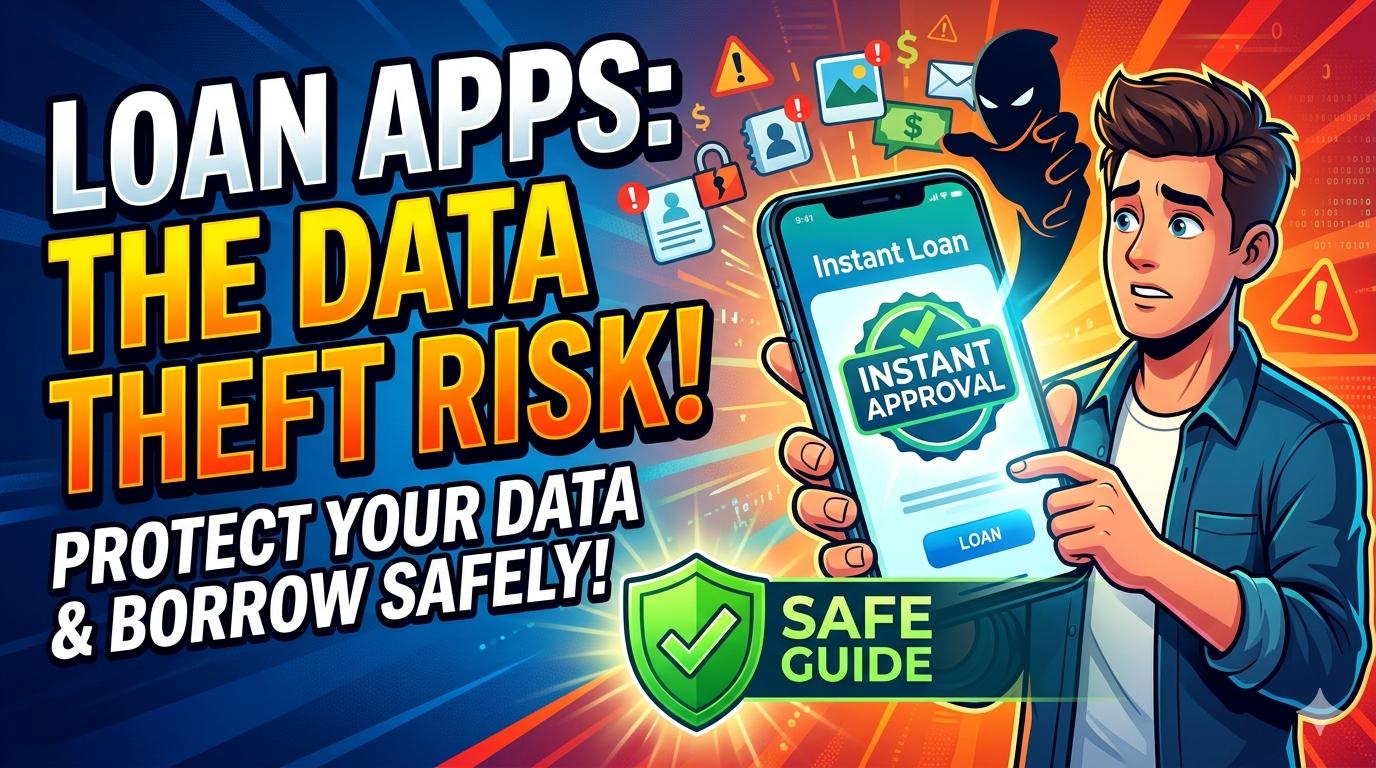
“Understanding Data Theft Risks from Instant Loan Apps” For example, when searching for data leakage risks from instant loan apps you are studying the fraudulent practice where unregulated digital lending applications exploit private smartphone information – contacts, photos and letters really without your accurate knowledge. This topic helps borrowers who are probably a victim to harassments or those who feel that their information is being abused by an illegitimate lender, and would like to educate themselves on how they can ensure the security of their privacy prior to applying for quick cash.
This risk depends on the amount of smartphone permissions you give to the application at installation, regulatory status (the lending platform), and overall digital literacy level of an applicant. At LoanRejectionHelp. At findmymoneytree.
Disclaimer: The information at LoanRejectionHelp. This is strictly for educational purposes only, and does NOT constitute as professional financial or legal advice by MoneyAffordablility. Borrow responsibly, review your credit reports regularly and be sure to check the legitimacy of lenders before providing them with any personal information.
Table of Contents
How Do Instant Loan Apps Compromise Your Data?
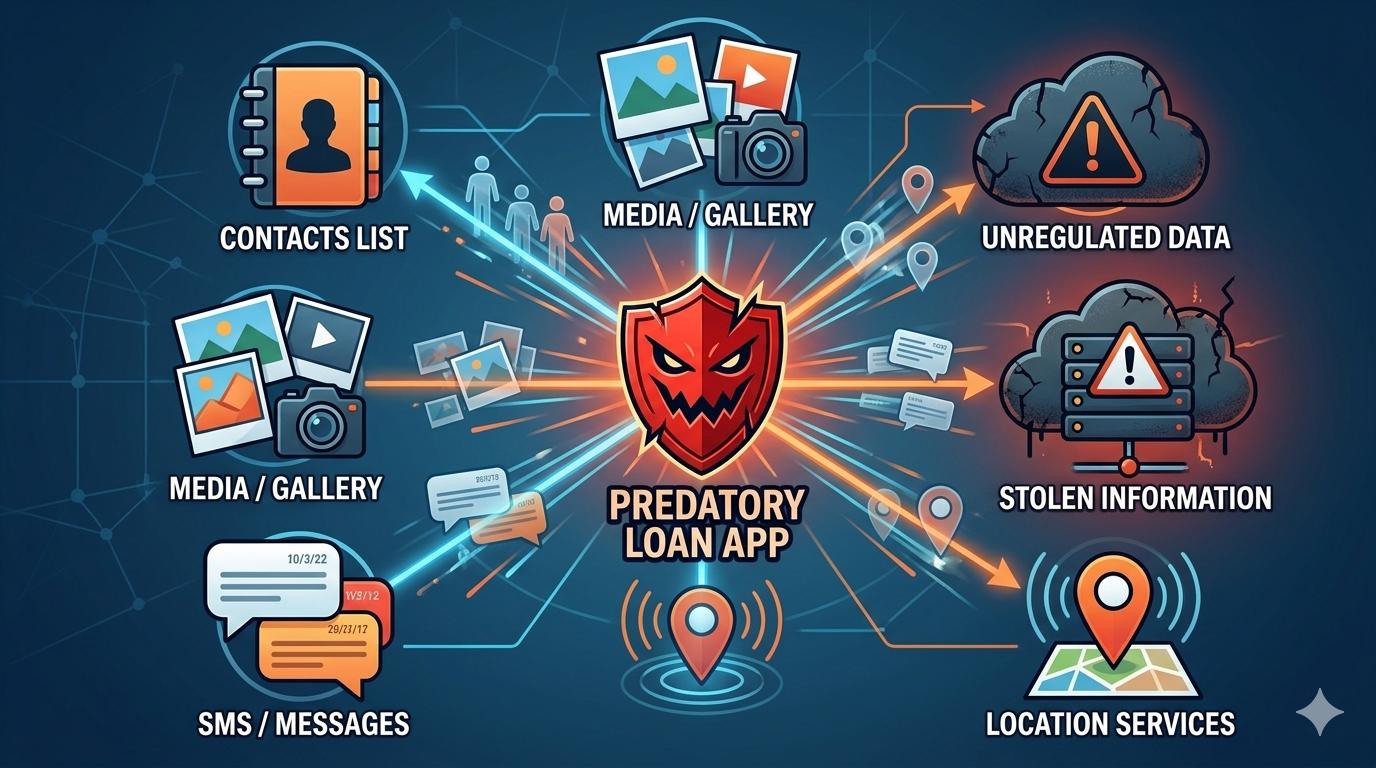
The financial technology boom has made accessing credit easier than ever, but it has also given rise to predatory applications. Legitimate lenders use your financial history to evaluate creditworthiness. In contrast, fraudulent instant loan apps often bypass traditional credit checks entirely. Instead, their business model relies on digital extortion.
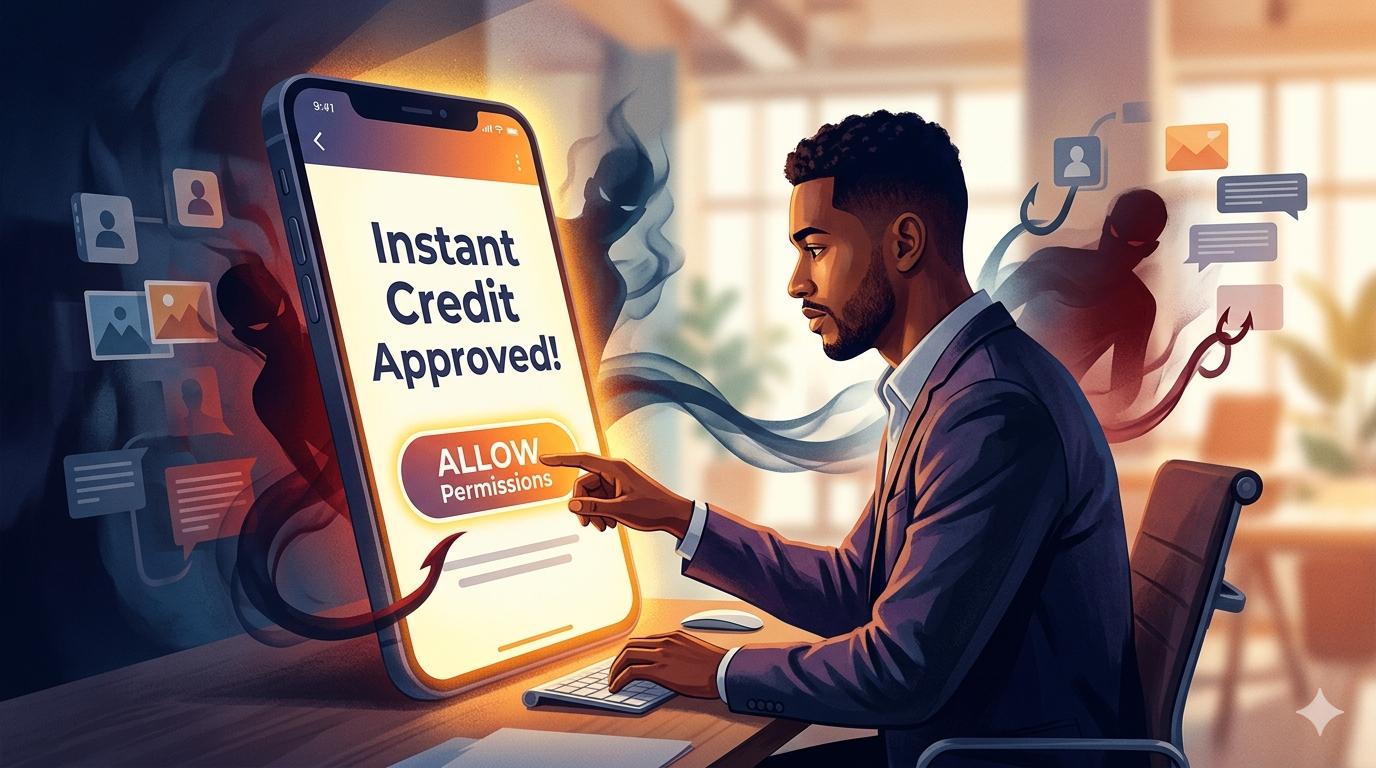
When you download a predatory loan app, the installation process usually requires you to grant sweeping permissions to your device. These often include:
- Contacts List: To scrape the phone numbers of your family, friends, and colleagues.
- Media and Gallery: To access personal photos and videos.
- SMS and Call Logs: To read private messages, including bank transaction alerts and OTPs.
- Location Services: To track your daily movements.
Once you click “Allow,” the app silently copies this data to external, unregulated servers. The financial concept here is simple but malicious: the app uses your private data as collateral rather than relying on your actual financial ability to repay the loan.
The Link Between Data Theft, Credit Scores, and Loan Rejection
You may be wondering how data privacy intertwines with loan approvals. It is a direct link with massive effects on your health mix.
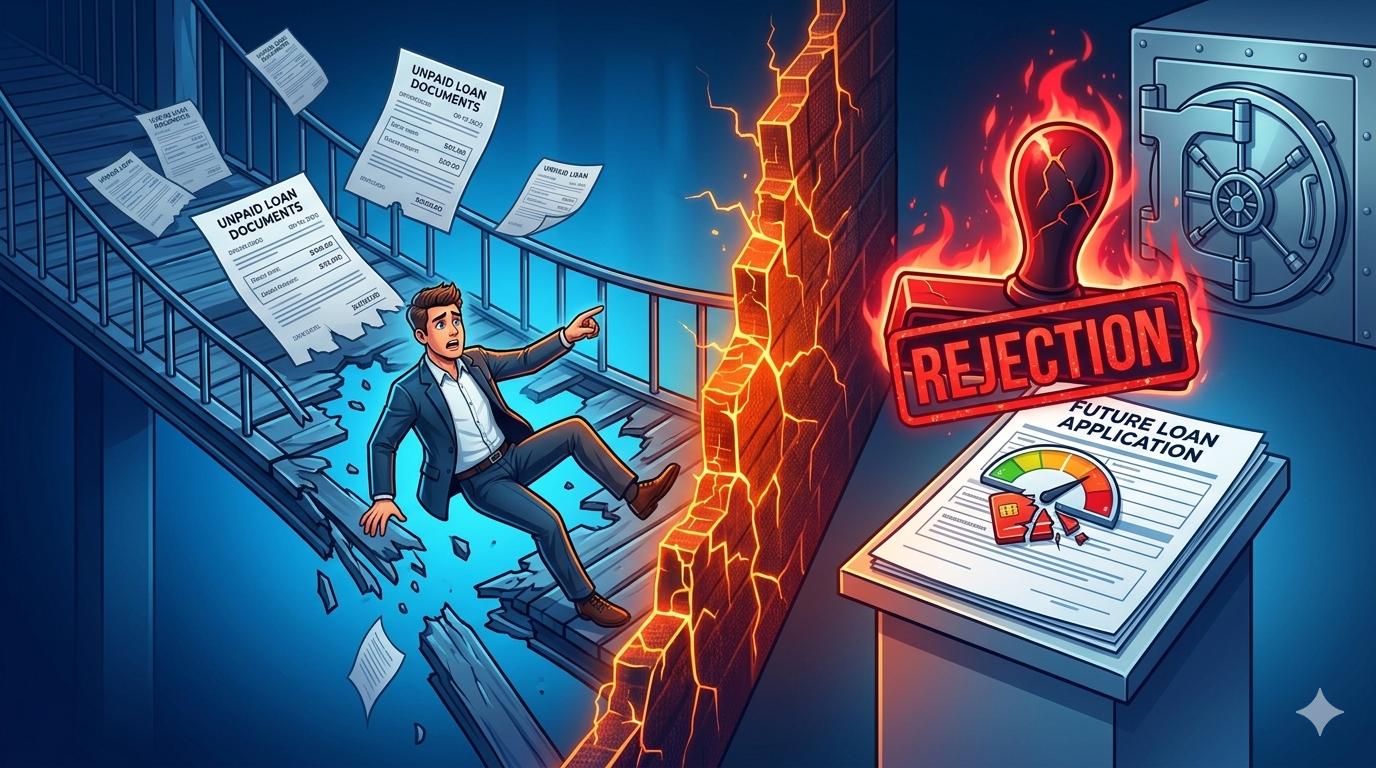
You are not only making a mockery of yourself temporarily when you fall prey to instant loan application danger, but also putting your finances at long term risk. The most common is fraudster(s) using KYC (Know Your Customer) that they take from your government ID or tax cards to borrow several loans digitally in your name.
These bogus loans ultimately default since you never realize that they’re not real. These defaults are then reflected in credit bureaus and your score suffers greatly. Months later, if you go to ACTUALLY take out a legitimate home loan / car loan / credit card the bank will request your Credit Report. This will show any unpaid digital loans they have seen over the years and consequently reject your application before it even begins. Having a clear idea about data privacy is important for making sure you have your credit profile to be healthy and make sure the future loan application gets approved.
How to Identify Safe vs. Dangerous Lending Apps
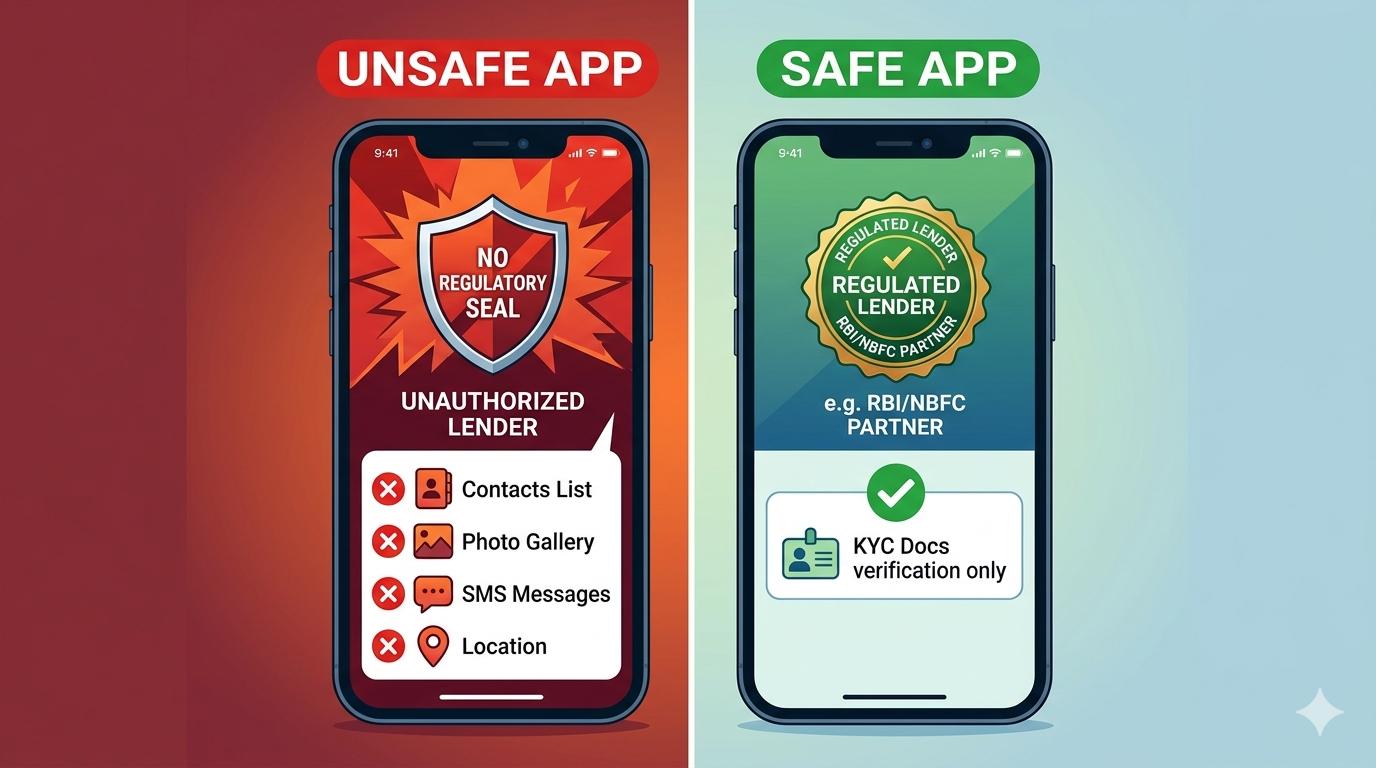
Protecting yourself requires knowing how to spot a legitimate financial institution versus a data-harvesting scam. Before applying for any credit facility, check for these warning signs:
- No Regulatory Backing: Legitimate loan apps always operate in partnership with a registered bank or a recognized Non-Banking Financial Company (NBFC). If the app does not clearly display its banking partners, it is likely unsafe.
- Absurd Permission Requests: Make unreal requests for permissions to your camera and gallery Real loan provider does not need access permission of photo or accessing all contacts in phone. Uninstall it on the spot, if an app requires to do so in order for you to proceed.
- No Physical Address or Customer Support:The most common trait of predatory apps is they do not mention a verifiable physical office address and only provide us with an email-id for general support.
- Guaranteed Approvals: Any app that tells you “100% guaranteed approvals permalink,” no matter your credit score, be careful. All prudent lenders evaluate repayment capability prior to disbursing funds.
Understanding Common Loan Application Mistakes That Cause Rejection
Actionable Steps for Responsible Borrowing
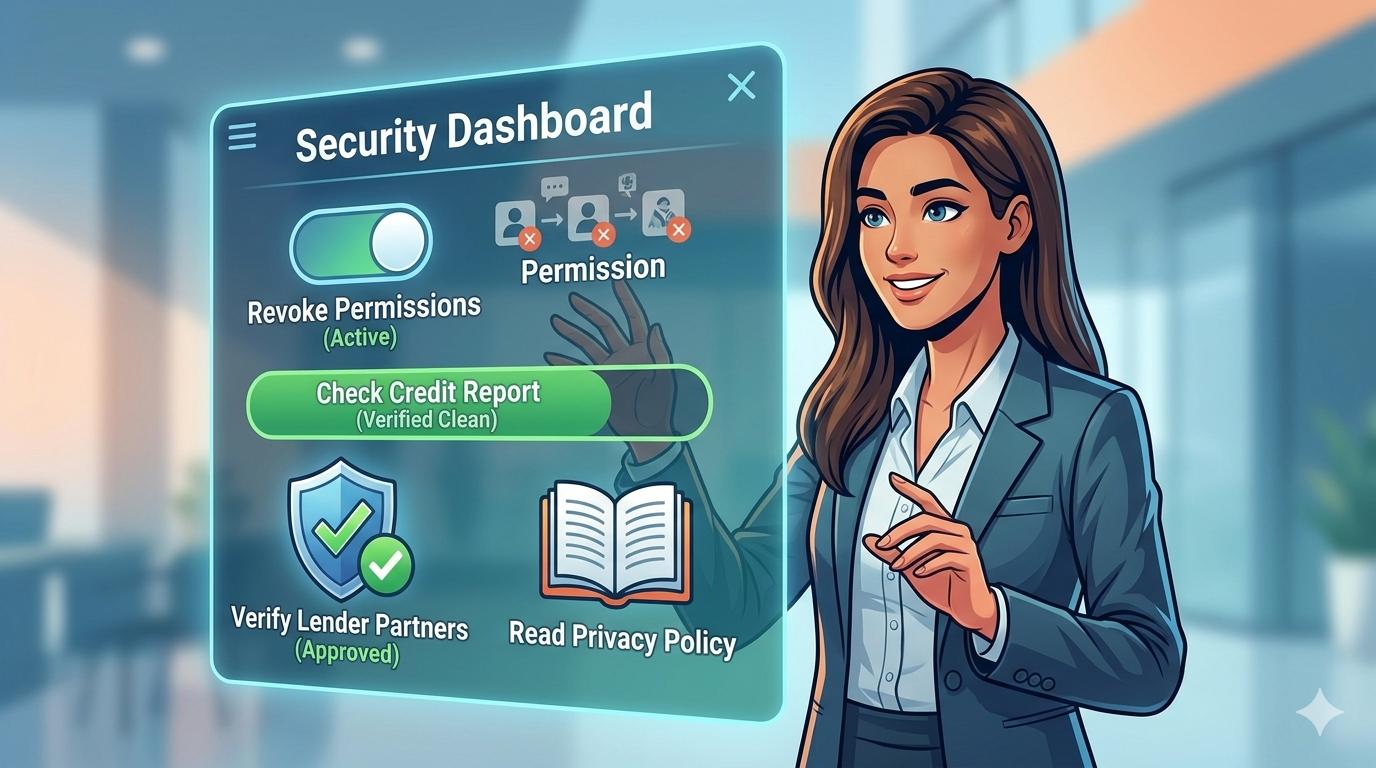
To safeguard your data and improve your chances of loan approval with legitimate institutions, follow these responsible borrowing habits:
- Monitor Your Credit Report: Check your credit report regularly to ensure no unauthorized loans have been taken out in your name.
- Use Official App Stores: Only download financial applications from official platforms like the Google Play Store or Apple App Store, and always read the user reviews first.
- Read Privacy Policies: While it can be tedious, briefly scanning an app’s privacy policy will tell you exactly what data they collect and whether they sell it to third parties.
- Limit App Permissions: Navigate to your phone’s settings and revoke unnecessary permissions for all installed applications.
Frequently Asked Questions (FAQs)
What should I do if an instant loan app steals my data?
If you are worried that an application has stolen your data, immediately uninstall the app. Report the app in your official app store, file a report with your local cyber crime body and alerting your bank to monitor accounts for merger.
Can my credit score be ruined by a fake loan app?
Yes. If fraudulent apps use your stolen identity documents to issue loans and then report fake defaults to credit bureaus, your credit score will drop significantly. This is a leading hidden cause of sudden loan rejections.
How can I safely apply for a personal loan without risking my data?
Only apply through the official websites or authorized apps of private banks and registered NBFCs. Make sure the lender employs secure encryption of your data and only asks for regular financial documentation like income proofs, identity verification etc instead these days too many lenders need access to galley images from your smartphone or contacts.