Introduction
The decision to borrow is a big one, and it will affect your financial life long after you’ve taken the funds. The lending environment as a salaried person getting your first home/working on self employed and growing a business or even being a first time borrower out to apply for credit in order to meet an emergency financial need can be quite overwhelming.

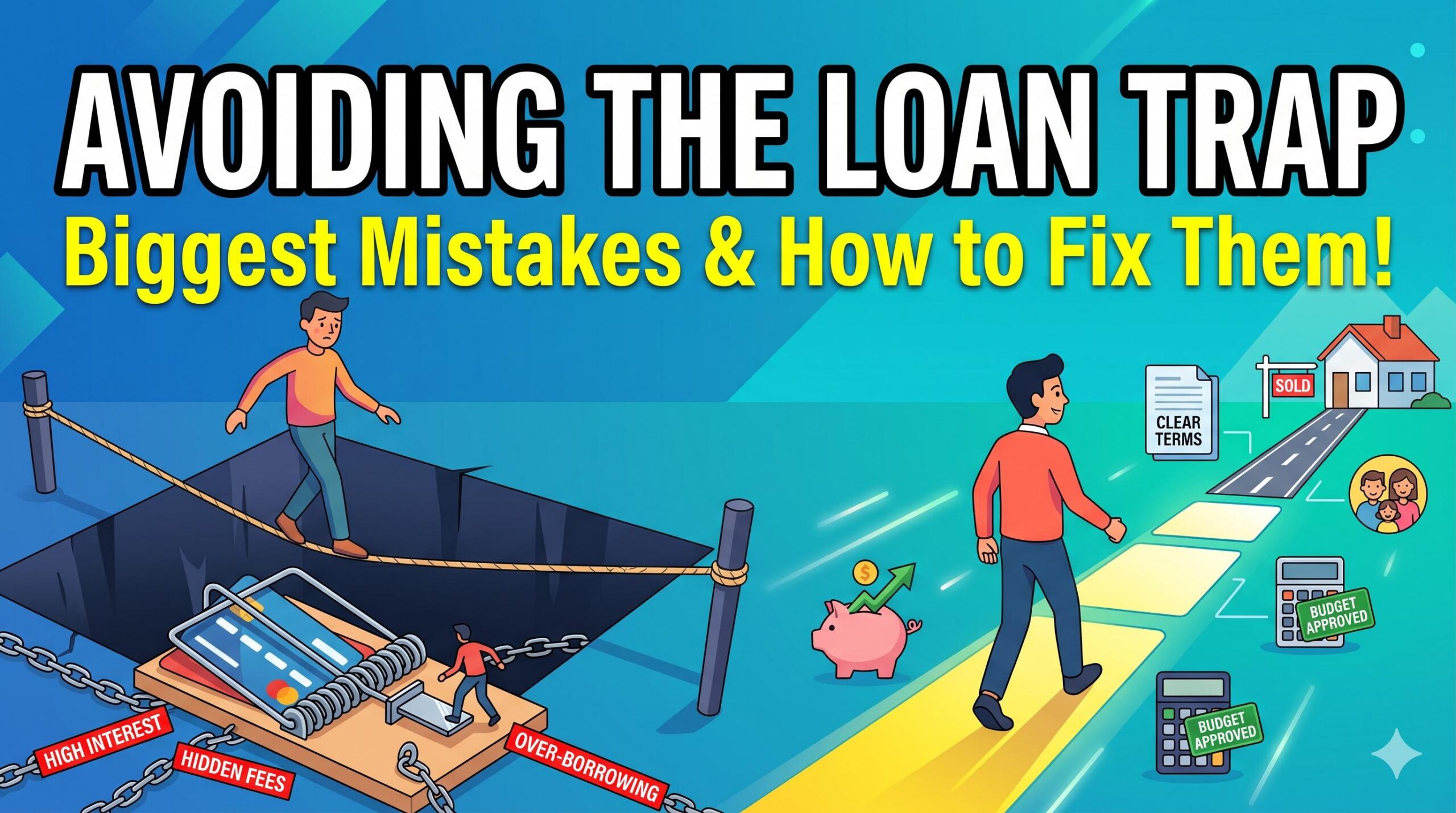
The biggest loan mistakes people make are the common financial missteps and oversights borrowers commit before, during, and after applying for a loan. Those mistakes are highly sought after by borrowers who is trying protecting their financial future or understand the reason behind declining previous applications and secure themselves for the right terms. The common inaccuracies are driven by the absence of financial skills, making rushed decisions about agreements without thorough planning and not considering how monetary establishments assess perceived risks and hardships.
With this knowledge, you will no longer be a pliable applicant but rather an informed, empowered borrower. We will analyze the major principles in finance, which explains these key mistakes.
Disclaimer: Loanrejectionhelp. If you want live updates, subscribe to the Betterment newsletter at: This content made available by rooterglobe. All borrowing carries inherent risks. Always, always assess your individual financial position before turning to debt.
Table of Contents
1. Focusing Only on the Monthly Payment (Ignoring the APR)
One of the most dangerous, yet common, financial mistakes is looking exclusively at the monthly installment amount. While an affordable monthly payment is necessary for your budget, it does not tell the whole story of the loan’s cost.
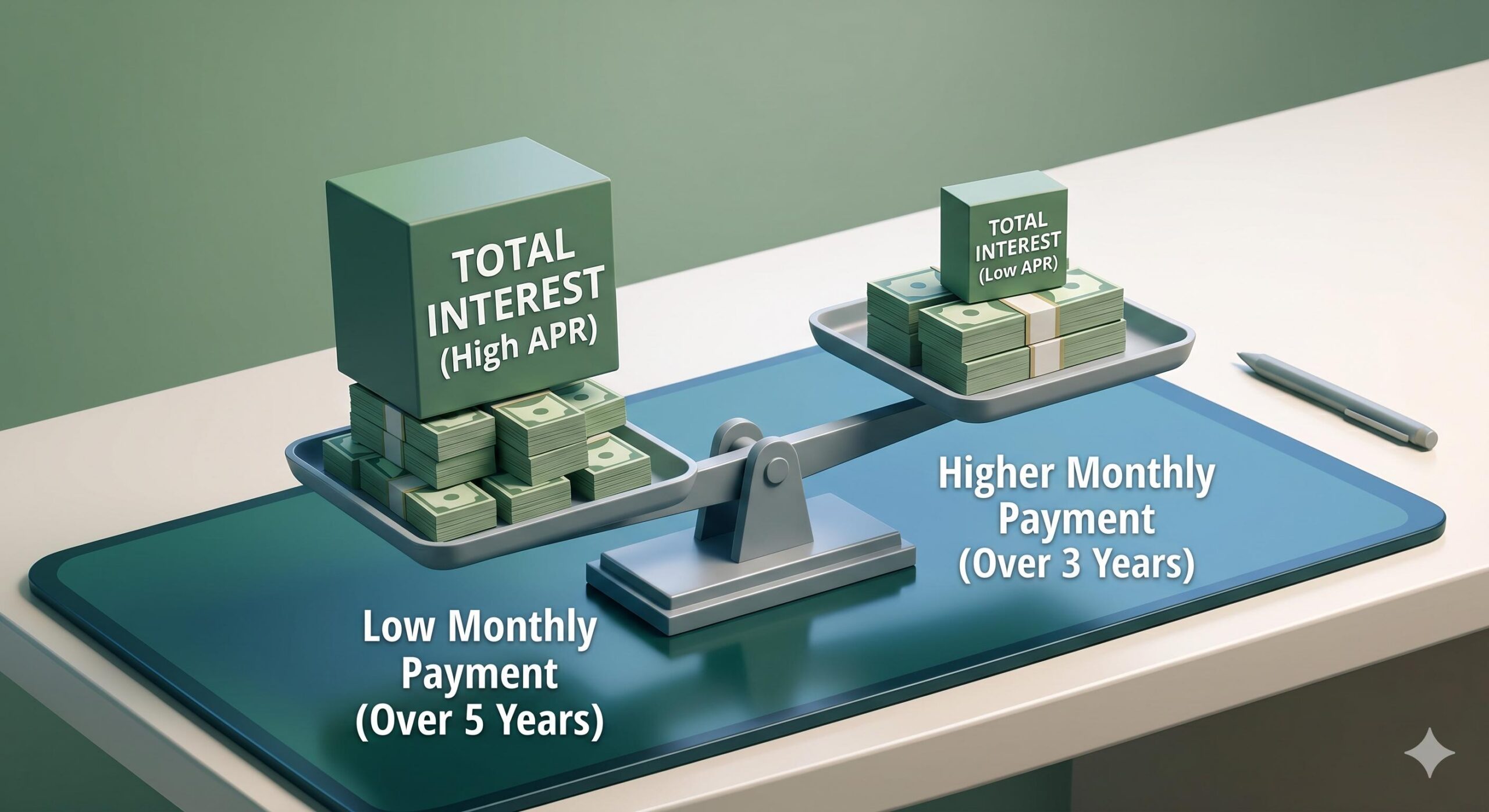
- The Trap: Lenders can extend your repayment term to reduce the monthly payment, such as moving you from a 3-year loan to a 5-year loan.
- The Financial Concept: You have to measure against an APR. The APR is the actual cost of borrowing on a yearly basis and includes interest and also any lender Fees that must be paid. For a nominal monthly savings you may end up with years of additional interest paid, essentially making the loan cost much more to borrow.
- The Fix: Compare the APR and the total cost of the loan (principal plus total interest) between lenders before focusing on monthly payments.
2. Applying for Multiple Loans Simultaneously
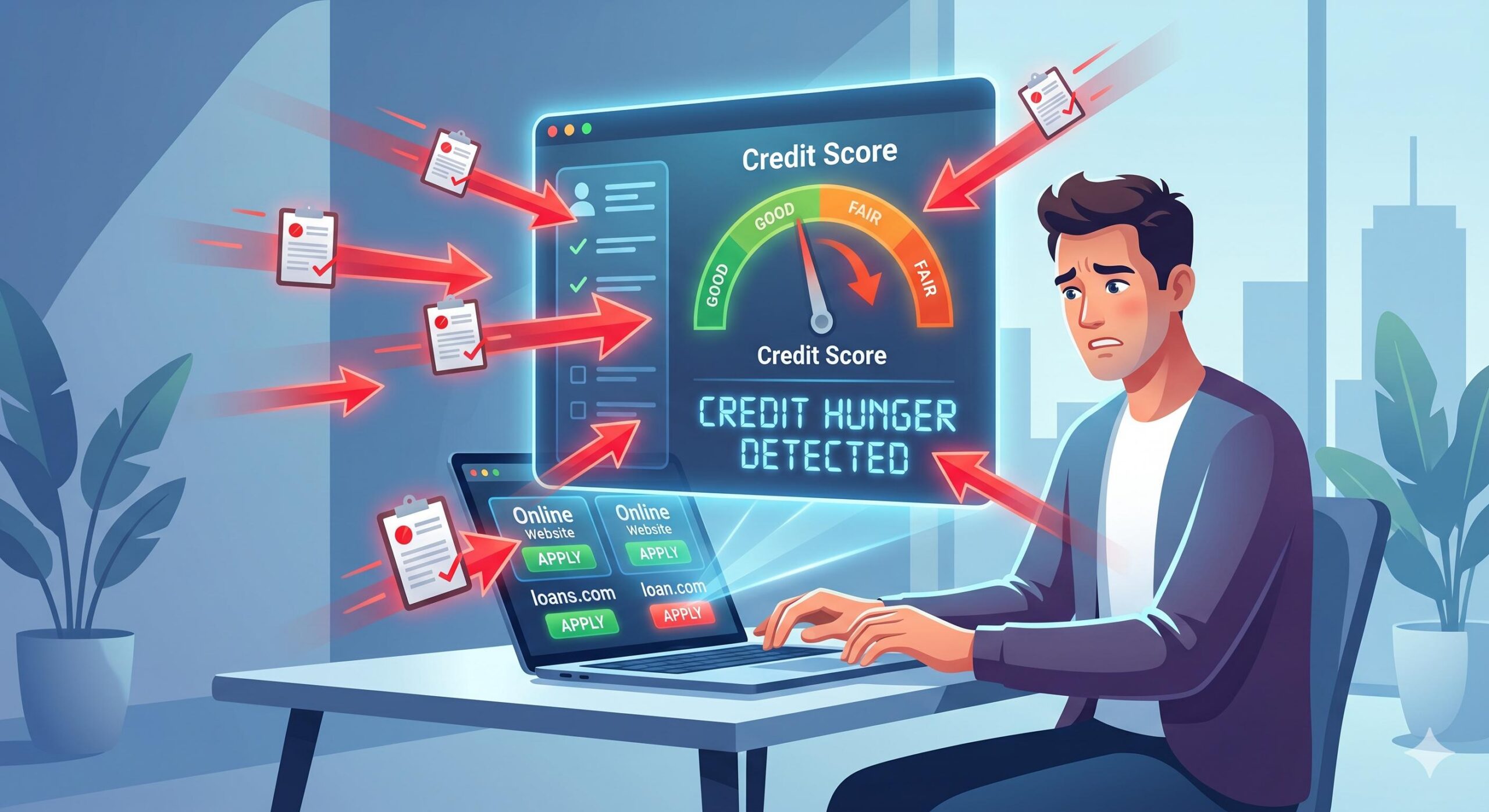
When people need money quickly or fear they might be rejected, they often submit applications to several banks and online lenders at the same time.
- The Trap: Whenever you apply for credit, since it is a legitimate and formal application, the lender does a “hard inquiry” each time on your credit report to determine if they are willing to lend.
- The Financial Concept: Hard inquiries take a small dip in your score for 6 months. Even more crucially, a number of difficult requests in quick succession implies bank hunger. A borrower who is desperately searching for money from any lender they can find knows that to a bank’s underwriting algorithm, they are a risky applicant.
- The Fix: Research & compare lenders with “soft inquiries” (that don’t impact your credit score) for pre-approval likelihood. Only apply formally to the one lender that offers the best terms and that you qualify for.
3. Ignoring Your Debt-to-Income (DTI) Ratio

Many borrowers mistakenly believe that a good credit score is the only factor required for loan approval. They apply for loans without considering their existing debt burden.
- The Trap: Getting a loan that will render your monthly commitments into an unmanageable entity.
- The Financial Concept: Your Debt-to-Income (DTI) ratio carries a lot of weight among lenders. This is the ratio of your monthly gross income that you spend repaying debt (a credit card, car loan and possible new loan). Lenders consider you a high risk for default if your DTI is higher than 35% to 40% so they will reject your application right away.
- The Fix: Use a DTI calculator before you apply. If it is a higher interest rate, pay more on your current debt to better your financial profile before acquiring more debt.
4. Borrowing More Than You Absolutely Need
Lenders will sometimes approve you for a maximum amount that is higher than what you actually requested. The temptation to take the extra cash for a vacation, a new gadget, or “just in case” is strong.
- The Trap: Accept more than what is needed, the max amount that can be taken.
- The Financial Concept:Each additional dollar you borrow is a dollar you have to pay back with interest. Taking out additional credit only serves to skew your debt-to-income ratio upwards, pushing up all of your monthly minimum obligations and limiting the cash flow you have in reserve for the future.
- The Fix: Make a firm budget based on your need (home repair, car purchase, debt consolidation) and only borrow that exact amount.
5. Failing to Read the Fine Print and Hidden Fees
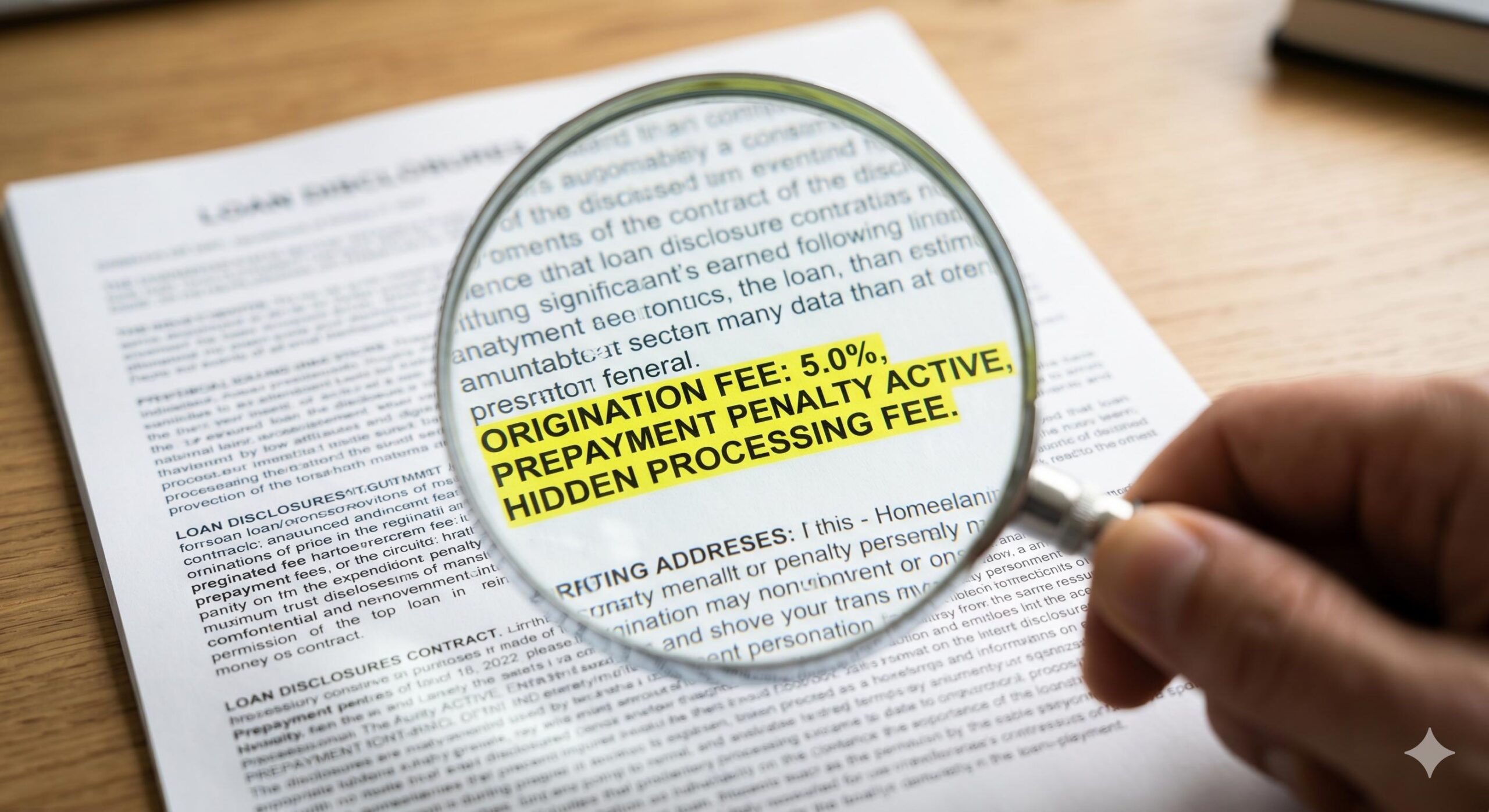
Financial contracts can be dense and confusing, leading many first-time borrowers to sign the dotted line without reading the terms and conditions.
- The Trap: Surprise loans are blinded, and many additional costs imposed during the loan drop.
- The Financial Concept: Multiple origination costs for loans. Upfront, refinancing costs such as origination fees to process the loan. Prepayment penalties are charges you pay if you want to pay off the loan before the end date (the lender has lost out on interest they expect). Not allowing for these can make what seems like a low-cost loan an expensive liability.
- The Fix: Read that loan estimate carefully every time. Before you sign, ask the lender to clarify any origination fees, late payment penalties and prepayment clauses.
Personal Loan vs Credit Card Loan: Which is Better for Your Financial Health?
How These Mistakes Lead to Loan Rejection
At loanrejectionhelp. On also provides insight into how the top 10 loan mistakes that people make directly lead to denials of their application. At its core, lenders are really risk management companies. By doing things like applying for numerous cards or having a high DTI you set off their alarm bells and with us it is much more automated.
When a lender denies your loan application, your long-term financial objectives take a backseat while the hard inquiry leaves an undesirable mark on your credit profile that increases the likelihood of future rejections.
Adopting Responsible Borrowing Habits
To improve your credit score and ensure you are ready for a loan, adopt these responsible habits:
- Monitor Your Credit: Check your credit report annually for errors and dispute any inaccuracies.
- Build an Emergency Fund: Relying on savings rather than loans for unexpected expenses is the safest financial strategy.
- Understand Your Capacity: Use online loan calculators to see how different interest rates and terms will impact your monthly budget in reality, not just in theory.
By educating yourself on financial mechanics and avoiding these common traps, you can secure the funding you need responsibly and keep your financial future secure.