Introduction
When you need extra funds to consolidate debt, make a major purchase, or cover an emergency, personal financing is often the first place to look. Santander loans are a popular choice for many borrowers seeking reliable, fixed-rate funding from a well-established global bank. But before you submit an application, it is crucial to understand exactly what these loans entail.
Borrowers frequently search for information on Santander loans to find out how competitive their interest rates are, what the repayment terms look like, and whether they meet the bank’s strict eligibility criteria. Ultimately, the interest rate you are offered—and your chances of being approved in the first place—are heavily influenced by your personal financial health, including your credit score, steady income, and existing debt levels. In this guide, we will break down exactly how these loans work, why applications sometimes get rejected, and what you can do to strengthen your financial profile before applying.

Disclaimer: The information provided in this article is for educational and informational purposes only and does not constitute financial advice. We do not guarantee loan approvals or specific interest rates. Always review terms and conditions directly with the lender before applying.
Table of Contents
What Are Santander Loans?
Before worrying about approval odds or loan rejection, it is crucial to understand the financial mechanics behind Santander loans. Santander is a major global retail bank, and their lending products are designed to provide lump-sum funding that borrowers repay over a set schedule.
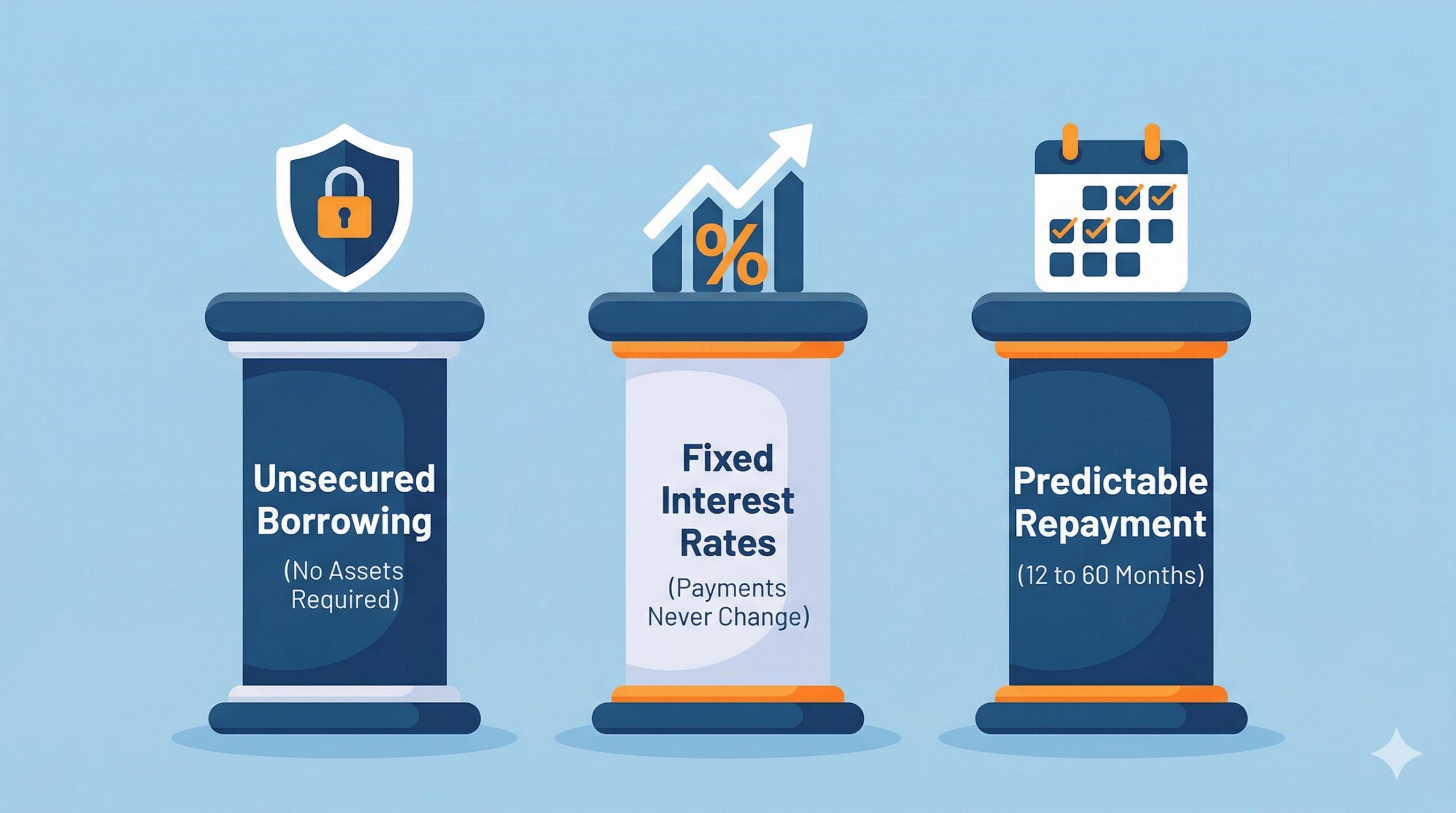
Here are the primary characteristics of a standard Santander personal loan:
- Unsecured Borrowing: Most Santander personal loans are “unsecured,” meaning you do not need to put up collateral (like your home or car) to get the loan. Because the bank takes on more risk by not having collateral, they rely heavily on your creditworthiness to make an approval decision.
- Fixed Interest Rates: Santander typically offers fixed Annual Percentage Rates (APRs). This means the interest rate stays exactly the same for the entire life of the loan. Your monthly payment will not fluctuate, making it easier to budget.
- Predictable Repayment Terms: Borrowers usually select a repayment window spanning anywhere from 12 to 60 months. A shorter term means higher monthly payments but less interest paid overall, while a longer term lowers the monthly burden but increases the total cost of borrowing.
How Interest Rates and APR Work on Santander Loans
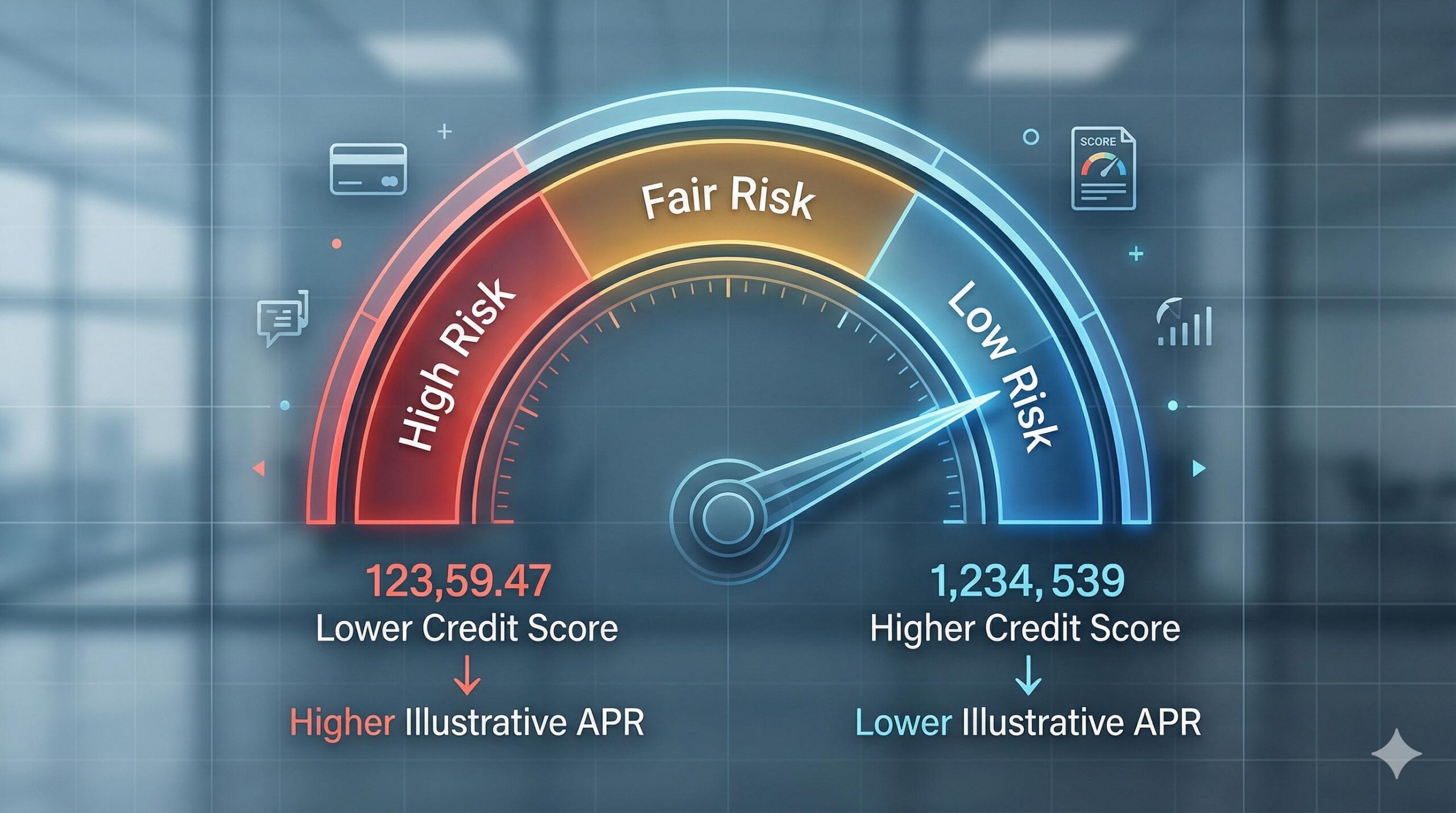
The most critical financial concept to grasp when researching Santander loans is how they determine your interest rate. Lenders use a system called risk-based pricing.
Under risk-based pricing, the lowest advertised interest rates (often called “representative APRs”) are reserved exclusively for borrowers with excellent credit scores and robust financial profiles. If you have a lower credit score, the bank views you as a higher risk. To compensate for that risk, they will charge you a higher interest rate.
What is an APR? The Annual Percentage Rate (APR) represents the true annual cost of your loan. It includes not just the base interest rate, but also any mandatory fees (such as origination fees, if applicable) spread out over the year. When comparing Santander loans to other lenders, always look at the APR rather than just the base interest rate to ensure a fair, apples-to-apples comparison.
Common Reasons for Santander Loan Rejections
At LoanRejectionHelp.com, we see many applicants surprised by a denial letter. Even if you have a decent income, Santander has strict underwriting guidelines. Here are the primary reasons a Santander loan application might be rejected:
1. Low Credit Score or Thin Credit File
Santander relies heavily on credit bureau data. If your credit score falls below their minimum threshold due to missed payments, defaults, or recent bankruptcies, your application will likely be declined. Similarly, if you are a first-time borrower with a “thin” credit file—meaning you do not have enough history for the bank to judge your habits—you may be viewed as too risky.
2. High Debt-to-Income (DTI) Ratio
Your DTI ratio measures how much of your gross monthly income goes toward paying existing debts.
- How it works: If you earn $4,000 a month and spend $2,000 on rent, car loans, and credit card minimums, your DTI is 50%.
- The rejection trigger: Most lenders, including Santander, prefer a DTI below 36% to 40%. If your ratio is too high, the bank will conclude that adding another loan payment would stretch your budget too thin, leading to a rejection based on affordability.
3. Unstable Employment or Inadequate Income
Lenders need assurance that you have a steady stream of income to make monthly payments. Frequent job hopping, recent gaps in employment, or being newly self-employed without two years of tax returns can trigger a rejection.
4. Too Many Hard Inquiries
Every time you apply for credit, a “hard inquiry” is recorded on your credit report. If you apply for multiple loans or credit cards in a short period before applying for a Santander loan, the bank may interpret this as financial distress, leading to an automatic decline.
How to Improve Your Chances of Approval

If you want to apply for a Santander loan—or if you have recently been rejected and want to try again in the future—you must strategically improve your financial profile.
- Check Your Credit Report for Errors: Before applying, obtain a free copy of your credit report. Look for inaccuracies, such as debts that aren’t yours or late payments that were actually paid on time. Disputing these errors can quickly boost your score.
- Use Soft-Search Pre-Qualification: Many lenders now offer a “check your rate” or pre-qualification tool. This uses a “soft pull” on your credit, which does not impact your score. It allows you to see if you are likely to be approved and what your estimated APR would be before committing to a hard credit check.
- Lower Your DTI: Focus on aggressively paying down existing credit card balances. Not only does this lower your DTI, but it also improves your credit utilization ratio, which is a major factor in calculating your credit score.
- Request a Realistic Amount: Do not ask for more money than you actually need. Requesting a smaller loan amount lowers the risk for the lender and keeps your projected monthly payments manageable, increasing your odds of approval.
Responsible Borrowing and Risk Awareness
Financial literacy is about more than just getting approved; it is about borrowing safely. A personal loan is a serious financial commitment.
Before signing any loan agreement, ask yourself:
- Can my monthly budget comfortably absorb this new payment?
- Is my current employment stable enough to guarantee repayment over the next 2 to 5 years?
- Am I using this loan for a necessary expense or a strategic financial move (like debt consolidation), rather than funding an unsustainable lifestyle?
Failing to repay a Santander loan will result in severe damage to your credit score, late fees, and potential legal action from collection agencies. Always borrow responsibly and have an emergency fund in place to cover payments if your income drops unexpectedly.
Frequently Asked Questions (FAQs)
1. What credit score is needed for a Santander loan? While Santander does not publicly publish a strict minimum credit score, borrowers generally need a “Good” to “Excellent” credit score (typically 670 or higher on the FICO scale) to qualify for their most competitive interest rates. However, the bank evaluates your entire financial profile, including your income and existing debt, not just your score alone.
2. How long does it take for Santander to approve a personal loan? If you apply online and easily meet the lending criteria, you might receive an instant decision. In other cases, if the bank needs to manually verify your income or employment documents, the approval process can take a few business days. Once approved and the agreement is signed, funds are typically deposited within one to two business days.
3. Does applying for a Santander loan hurt my credit score? Santander often allows you to check your rates or pre-qualify using a “soft inquiry,” which does not affect your credit score. However, once you proceed with the actual, formal application, the bank will perform a “hard inquiry” on your credit report. This will cause a temporary, minor dip in your credit score.
4. Can I use a Santander personal loan to pay off credit cards? Yes. Debt consolidation is one of the most common reasons people search for Santander loans. By taking out a personal loan with a lower, fixed interest rate, you can pay off multiple high-interest credit cards, leaving you with just one predictable monthly payment to manage.
5. Why was my Santander loan declined even with a good credit score? A good credit score is only one part of the puzzle. Even with excellent credit, your loan can be rejected if your debt-to-income (DTI) ratio is too high, if your employment history is unstable, or if you requested a loan amount that is too large compared to your verifiable income.
Understanding the PNB Personal Loan: Interest Rates, Mechanics, and Approval Guide
Conclusion
Securing a personal loan requires more than just filling out an application; it requires a solid understanding of your own financial standing. Santander loans can provide excellent, structured funding with predictable monthly payments, provided you meet their lending criteria. Remember that the bank uses risk-based pricing, meaning your credit score and debt-to-income ratio directly dictate the cost of borrowing.
If your application is rejected, do not rush to apply with another lender immediately. Take a step back, review your credit report for errors, focus on paying down high-interest debt, and stabilize your income. By treating a loan as a serious financial commitment and taking proactive steps to improve your creditworthiness, you protect your long-term financial health and increase your chances of securing the funding you need in the future.