Introduction
The Paisa Bazaar CIBIL Report, launched jointly by financial market platform Paisabazaar and credit bureau TransUnion CIBIL, centers on aggregating individuals’ credit history, borrowing behavior, and repayment records, and provides accessible financial literacy explanations for general borrowers. Many borrowers check their personal credit reports before applying for new loans or credit cards, to assess their own credit eligibility and track their financial health.

The CIBIL score included in these reports ranges from 300 to 900, and is determined by four core factors including repayment history. If salaried workers, self-employed operators, and first-time borrowers can understand this score, they can lay a solid foundation for financial stability and avoid having their loan applications rejected.
LoanRejectionHelp.com Disclaimer: All content published on this platform is solely for educational and science popularization purposes. We do not provide financial advice, nor do we guarantee loan approval. We advise all users to borrow responsibly, and consult a licensed financial advisor before making any credit-related decisions.
Table of Contents
What Exactly is the Paisa Bazaar CIBIL Report?
To understand the core of India’s credit industry, it is first necessary to clarify the backgrounds and functions of the sector’s two core participating entities. CIBIL, India’s leading credit bureau whose full name is Credit Information Bureau (India)
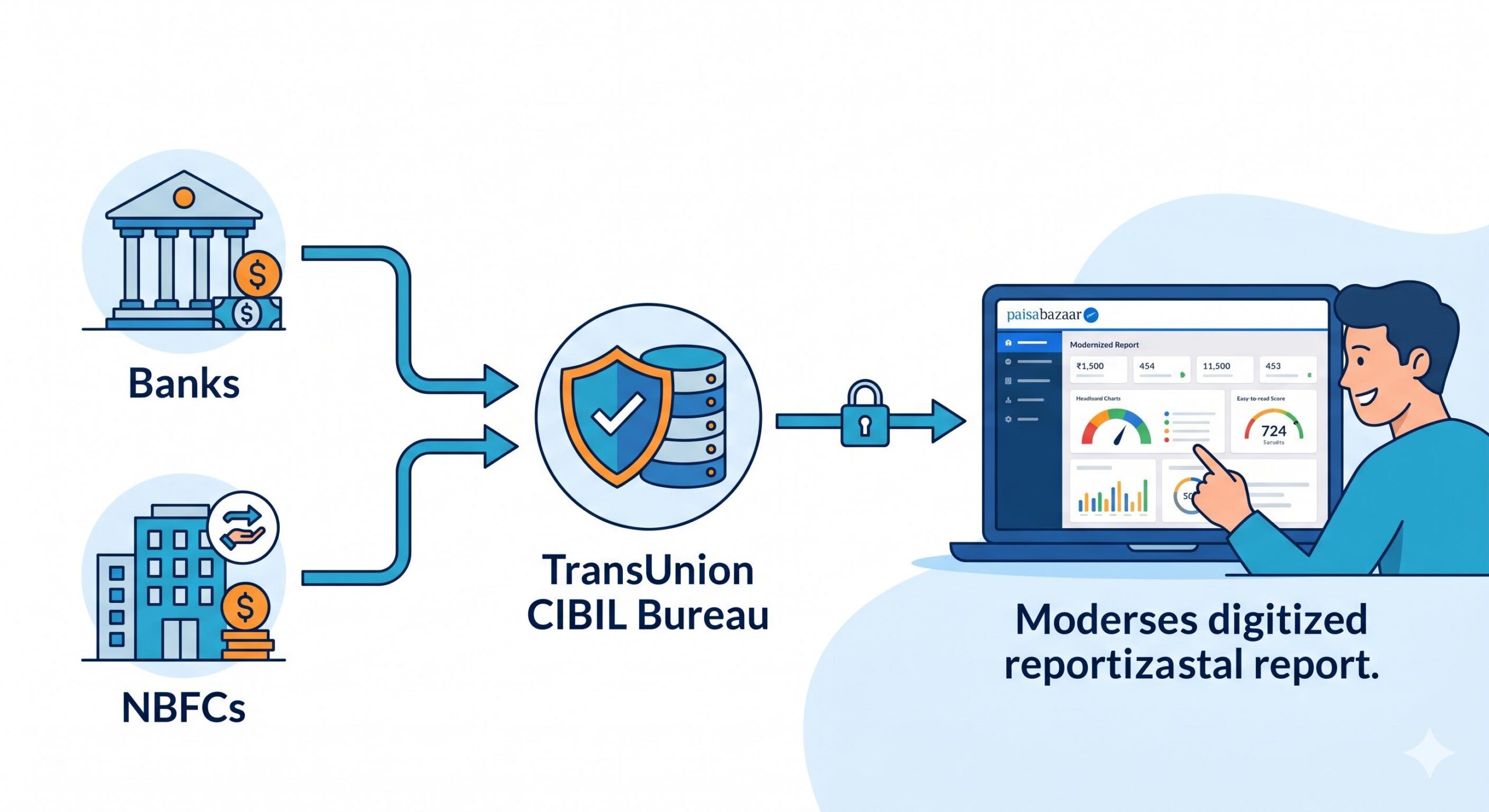
Limited, collects data related to personal loans and credit cards from banks and non-banking financial institutions (NBFCs). Paisabazaar, a financial aggregation platform that partners with CIBIL, provides ordinary consumers with free credit scores and reports. This digitized, easy-to-read report, which documents
an individual’s financial footprint, is used by lending institutions for risk assessment. Credit scores are negatively correlated with personal default risk, and this core logic underpins all subsequent industry analysis.
How to Read and Understand Your Credit Report
Reading your credit report for the first time can feel overwhelming. However, the document is divided into specific sections that detail your financial life.
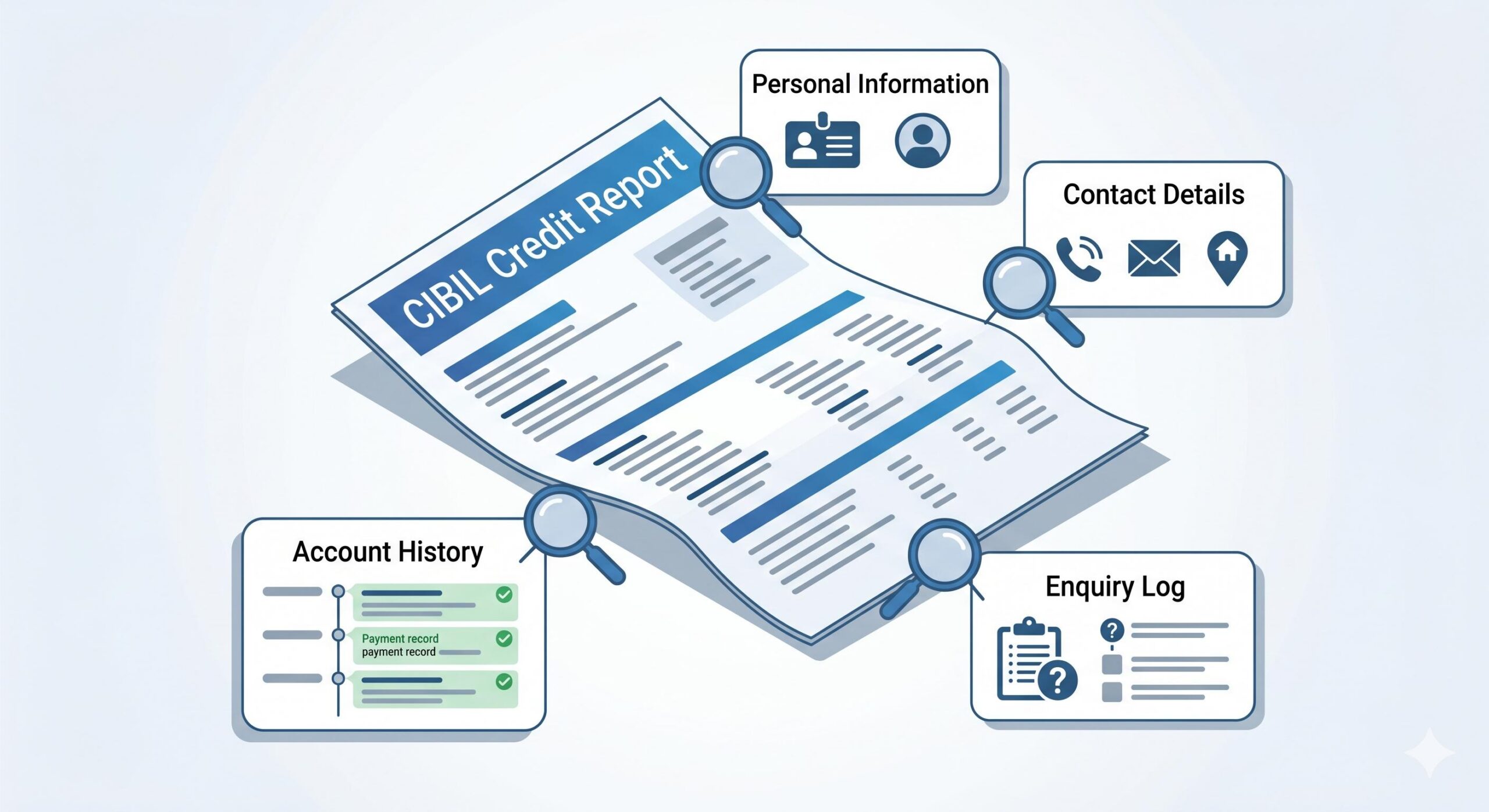
| Section Name | What It Contains | Why Lenders Look at It |
| Personal Information | Your name, date of birth, PAN card number, and gender. | To verify your identity and ensure the report belongs to the correct applicant. |
| Contact Information | Current and previous addresses, phone numbers, and email IDs. | To check your stability and track record of residence. |
| Account Information | Details of all past and present loans, credit cards, and repayment dates. | This is the most critical section to assess your repayment discipline. |
| Enquiry Information | A log of every time a lender has checked your credit score for a new application. | To see if you are “credit hungry” (applying for too many loans at once). |
Key Factors That Affect Your CIBIL Score
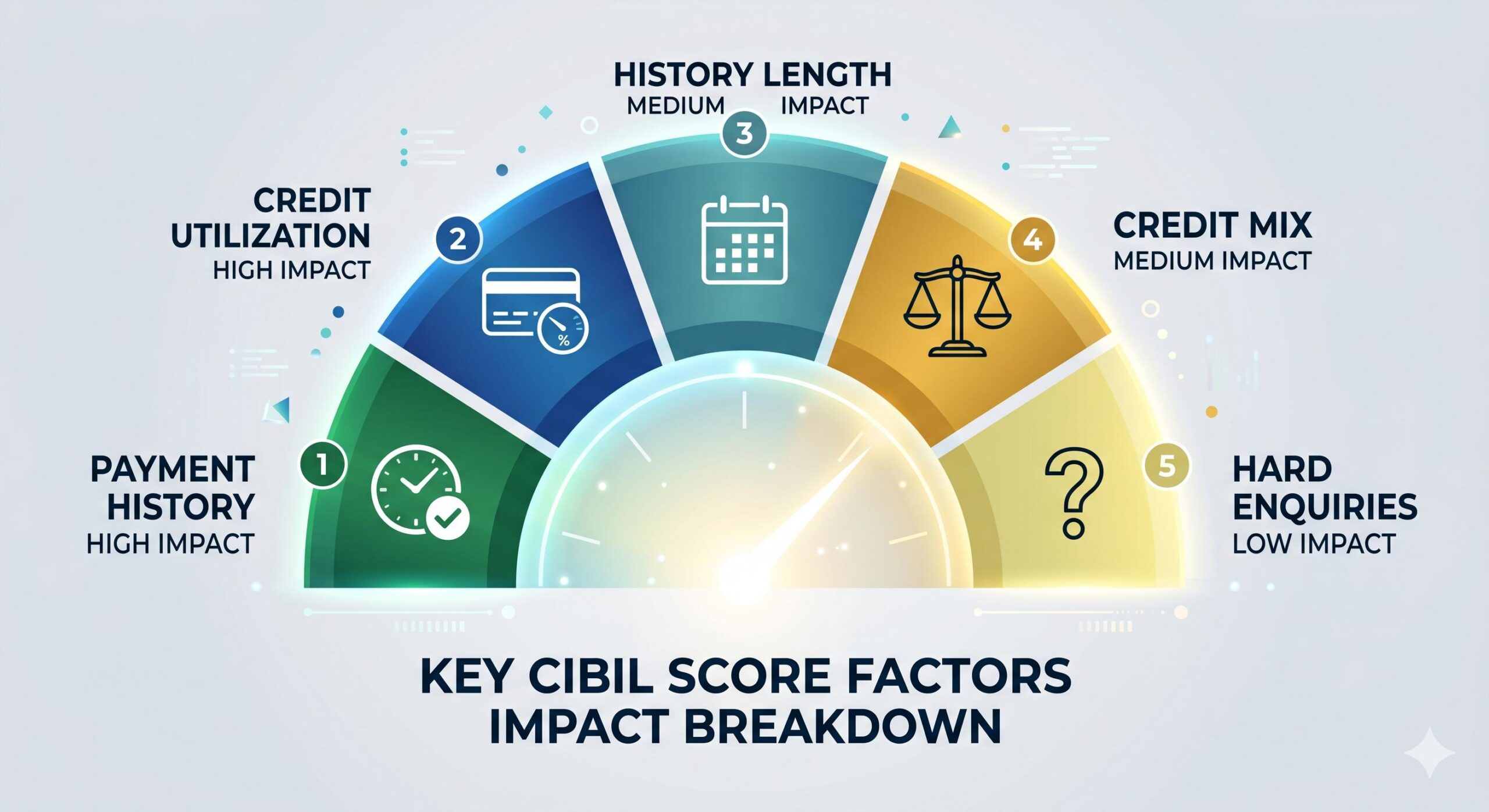
Your credit score is not a random number; it is calculated using a specific mathematical algorithm based on your financial behavior. Here are the primary factors that cause your score to rise or fall:
- Payment History (High Impact): Payment History (repayment record) is a core, high-impact factor in credit scoring. Paying EMIs before their due dates can raise one’s credit score, while even a single instance of late payment will cause a sharp drop in that credit score.
- Credit Utilization Ratio (High Impact): Credit card utilization rate is a high-impact credit assessment metric. It refers to the ratio of a borrower’s used credit amount to their total approved credit limit, and a rate below 30% is classified as responsible borrowing.
- Credit Mix (Medium Impact): This paper classifies the length of credit history as a medium-impact dimension. Longer records of successful credit management can provide lenders with more evaluation data, which generally improves an individual’s credit score.
- Credit History Length (Medium Impact): impact dimension. Longer records of successful credit management can provide lenders with more evaluation data, which generally improves an individual’s credit score.
- Hard Enquiries (Low Impact): impact refer to the process in which lenders retrieve a user’s personal credit report when the user submits a loan application, and an excessive number of such enquiries within a short timeframe will damage the user’s credit score.
How Your Report Relates to Loan Approvals and Rejections
Based on frontline service observations from LoanRejectionHelp.com, many borrowers who meet income requirements and have sufficient repayment capacity are confused about why their loan applications were rejected. Credit assessments integrate two core metrics: repayment capacity, and repayment willingness as
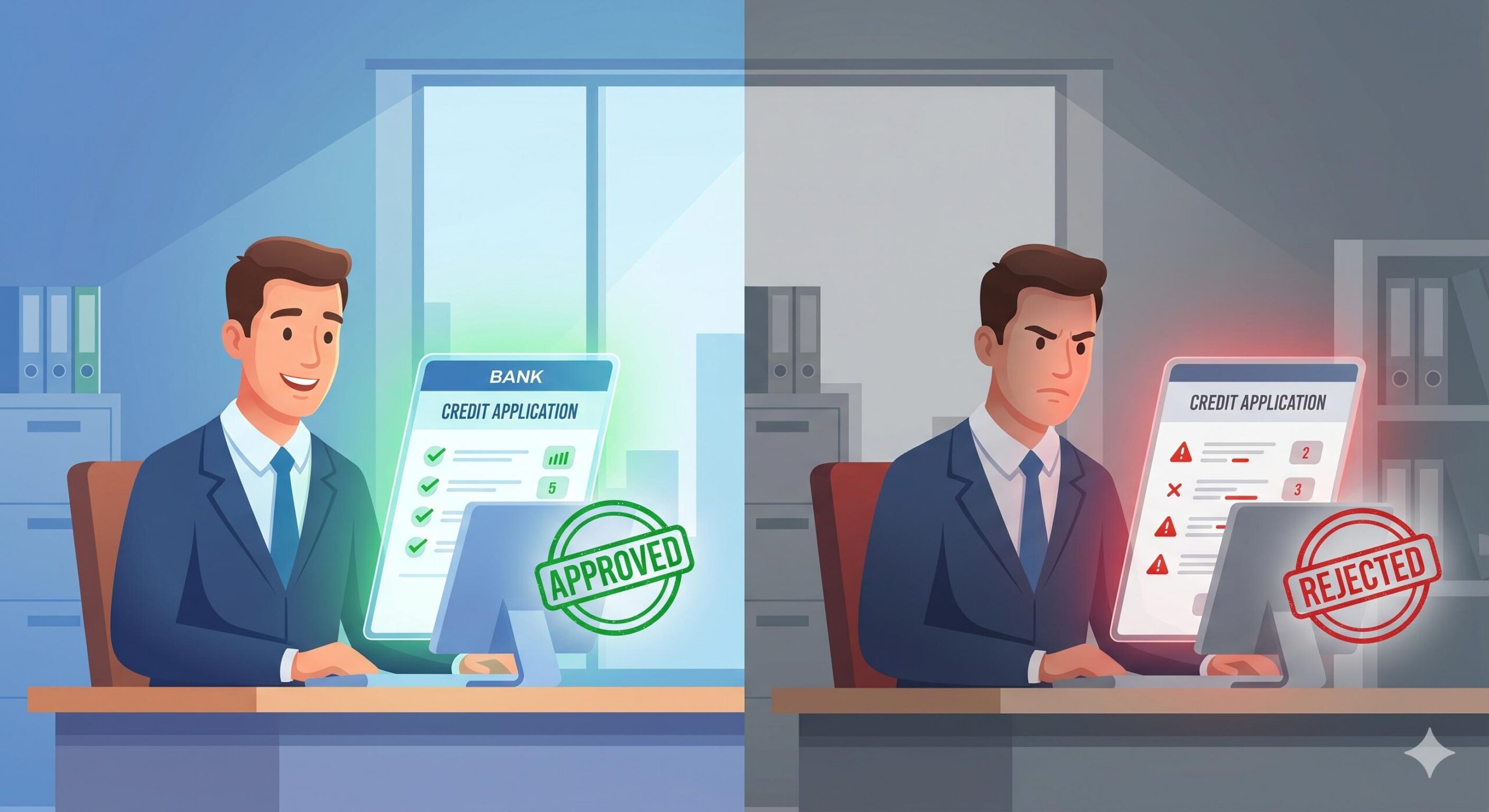
reflected in the CIBIL report released by Paisa Bazaar. Past defaults, accounts only marked as “settled” rather than “closed”, and high credit card balances may all lead to loan rejection. It is recommended that borrowers regularly self-review their reports to address potential issues ahead of time.
Responsible Borrowing and Credit Improvement Tips
Improving your credit profile takes time, patience, and financial discipline. Keep these responsible borrowing practices in mind:
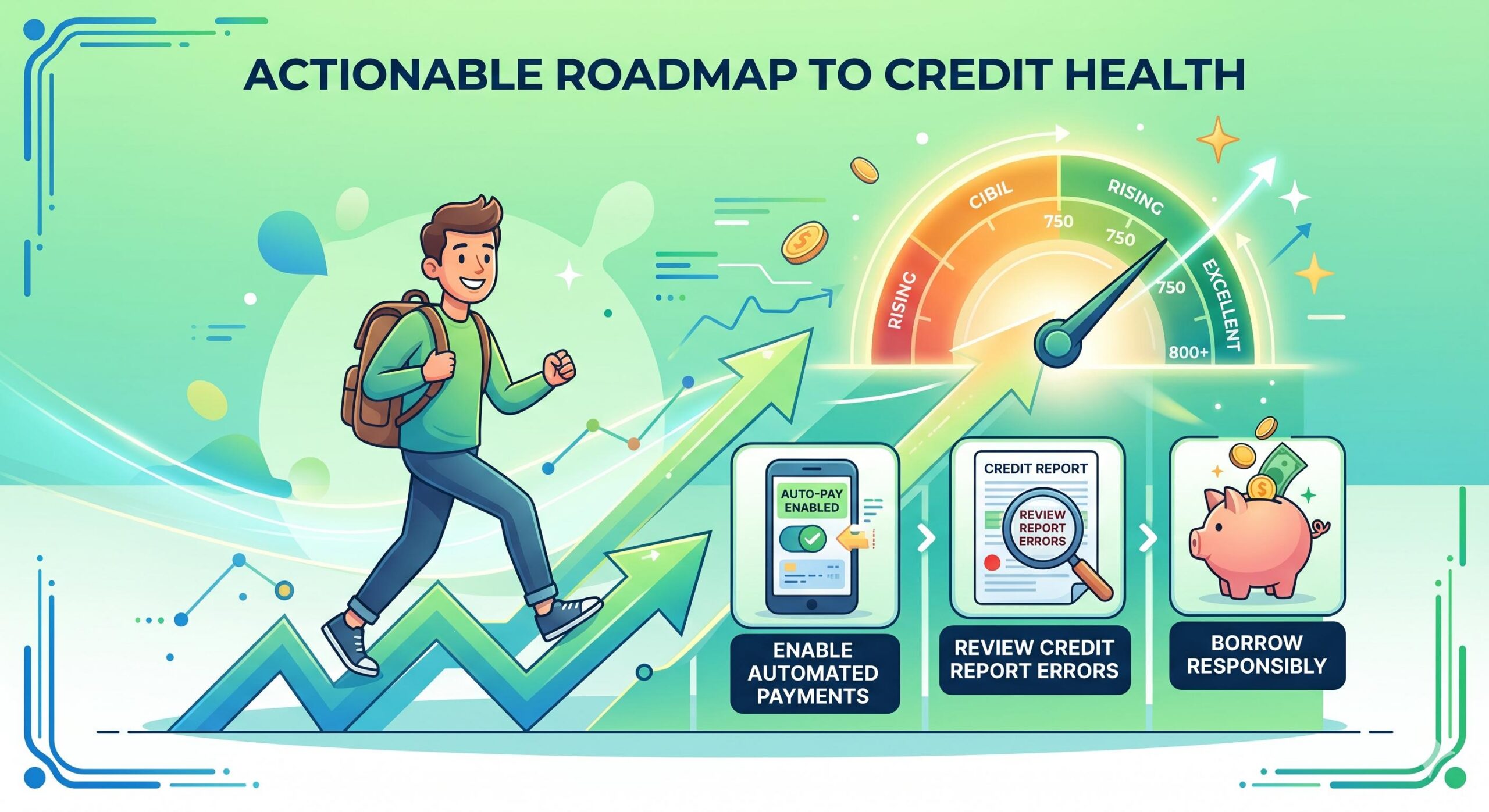
- Borrow Only What You Need: Just because you are eligible for a high loan amount does not mean you should take it. High debt burdens lead to missed payments.
- Automate Your Payments: Set up auto-debit mandates for your EMIs to ensure you never miss a due date due to forgetfulness.
- Check for Errors: Sometimes, your report may contain clerical errors (e.g., a closed loan showing as active). Report these discrepancies to the credit bureau immediately.
- Avoid Closing Old Accounts: Keeping your oldest credit card active (even with minimal use) helps maintain a long credit history.
Why Was Your Loan Rejected Despite 750 CIBIL Score? A Complete Guide
Frequently Asked Questions (FAQ)
Does checking my own Paisa Bazaar CIBIL report lower my score?
No. When you check your own credit report, it is considered a “soft enquiry.” Soft enquiries do not affect your credit score at all. You can check it as often as you like.
What is considered a good CIBIL score for loan approval?
Generally, a score of 750 or above is considered excellent by most banks and financial institutions. A score in this range increases your chances of approval and may help you secure a lower interest rate.
How often does the information in my credit report update?
Banks and financial institutions typically send updated data to credit bureaus every 30 to 45 days. If you recently paid off a loan, it may take up to a month and a half to reflect on your report.
Can a bad credit score be fixed?
Yes. A bad credit score is not permanent. By clearing outstanding dues, paying future bills on time, and keeping your credit utilization low, you can gradually rebuild your score over several months.