Introduction
How Banks Check Loan Eligibility, The first critical step you can take when applying for financing is to understand just how banks check if the loan qualifies. Simply put, this concept represents the systematic and data-driven process that financial institutions use to assess your creditworthiness in determining whether you have what it takes (credibility) to repay any borrowed money. This information is actively sought after by borrowers who wish to understand the lender’s requirements in advance so they can better prepare their finances and position themselves for interest rates that are as low as possible, whilst also reducing frustration with a rejected application.
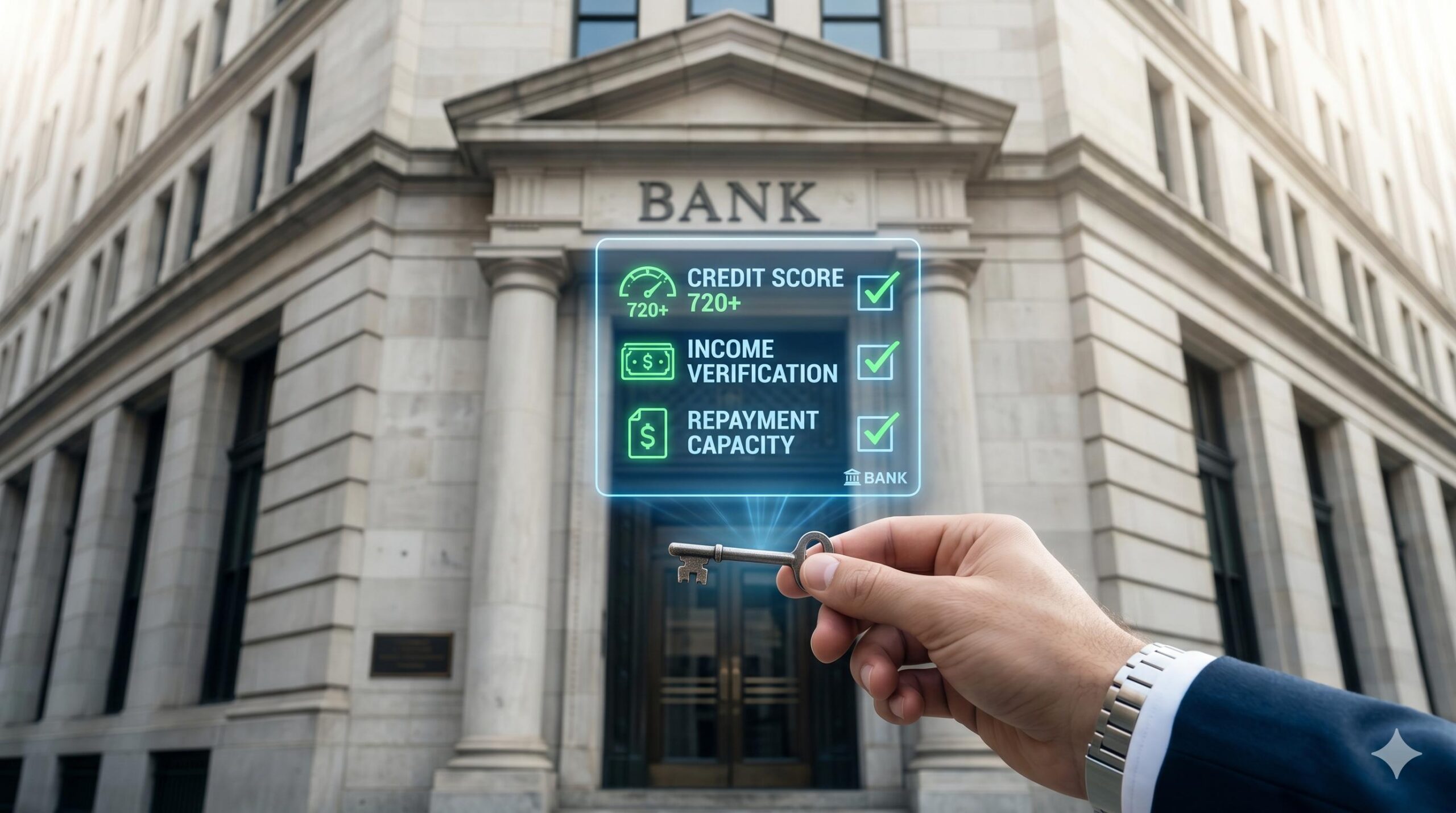
The eligibility is largely determined by your credit history, current income stability and how much debt you currently have. So, if you are a salaried professional or a self-employed person looking to borrow money and want to know how an Instant Loan is evaluated by lenders so that your financial future can be determined as per your terms?
Table of Contents
What Does “Loan Eligibility” Actually Mean?
Fundamentally, loan eligibility is a risk assessment. The simplest way to explain it is that banks are profit oriented businesses where the main business for them as a lender of money in many ways. Yet, they must against this profit also weigh the risk of a borrower defaulting (failing to pay back).
Therefore, when banks validate your eligibility — two questions at the core of allunderwriting:
- Willingness to Repay: In the past has this person paid back all money owed?
- Capacity to Repay: Does this person earn enough money now that they can afford their expenses, debt repayments and the new loan payment?
Your lender will determine if you are eligible based on the determination that they make about you being a low-risk borrower.
The Core Process: Step-by-Step Evaluation
It initiates an underwriting process when you apply A behind-the-scenes look at how lenders verify your financial profile step by step.
1. The Credit Assessment (Checking “Character”)

A bank will pull the big three credit reports first as a starting point. Your Credit Score – a three-digit number summarizing your credit history is contained in this report. Lenders look for:
- Payment History: Do you pay credit cards and previously loans0 on time? A lower score is worse, as well as a missed payment signals high risk.
- Credit Utilization: What is the percentage of credit you are currently using, compared to your available-credit?
- Credit Mix: Do you have experience with different types of credit (for example, credit cards or auto loans)?
2. Income Verification and DTI Calculation (Checking “Capacity”)
The income you report to the bank reflects how much you make; your Debt-to-Income (DTI) ratio shows them what it is that you actually get. Use the amount of your gross monthly income you use to cover fixed debts.

How: Salaried professionals typically submit their most recent pay slips and bank statements. Self-employed individuals must usually show several years of tax returns and audited profit-and-loss statements to demonstrate income stability.
3. Employment and Stability Review
We were appreciated that lenders want security to know your income will endure. Your work history will also be examined to check if you tend to change jobs frequently or whether there are significant gaps in your employment. An uninterrupted employment record, (generally 1 to2 years together with the same manager or in a similar business) substantially inflates
Key Metrics Used by Lenders
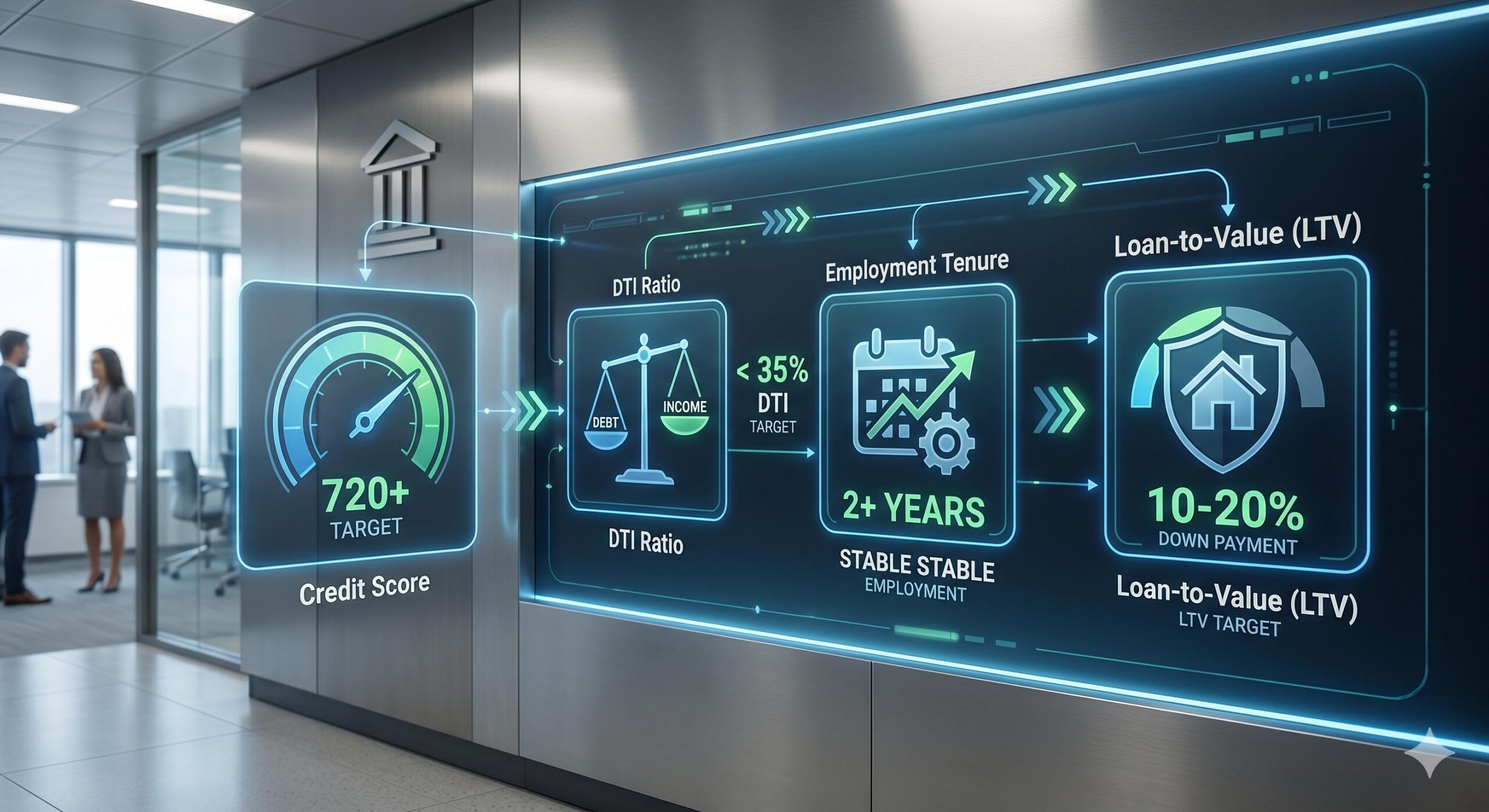
To make the process objective, banks rely on standard financial metrics. Here is a breakdown of what they analyze:
| Financial Metric | What It Measures | Ideal Target for Borrowers |
| Credit Score | Historical repayment behavior and credit risk. | Usually 700 or above (varies globally). |
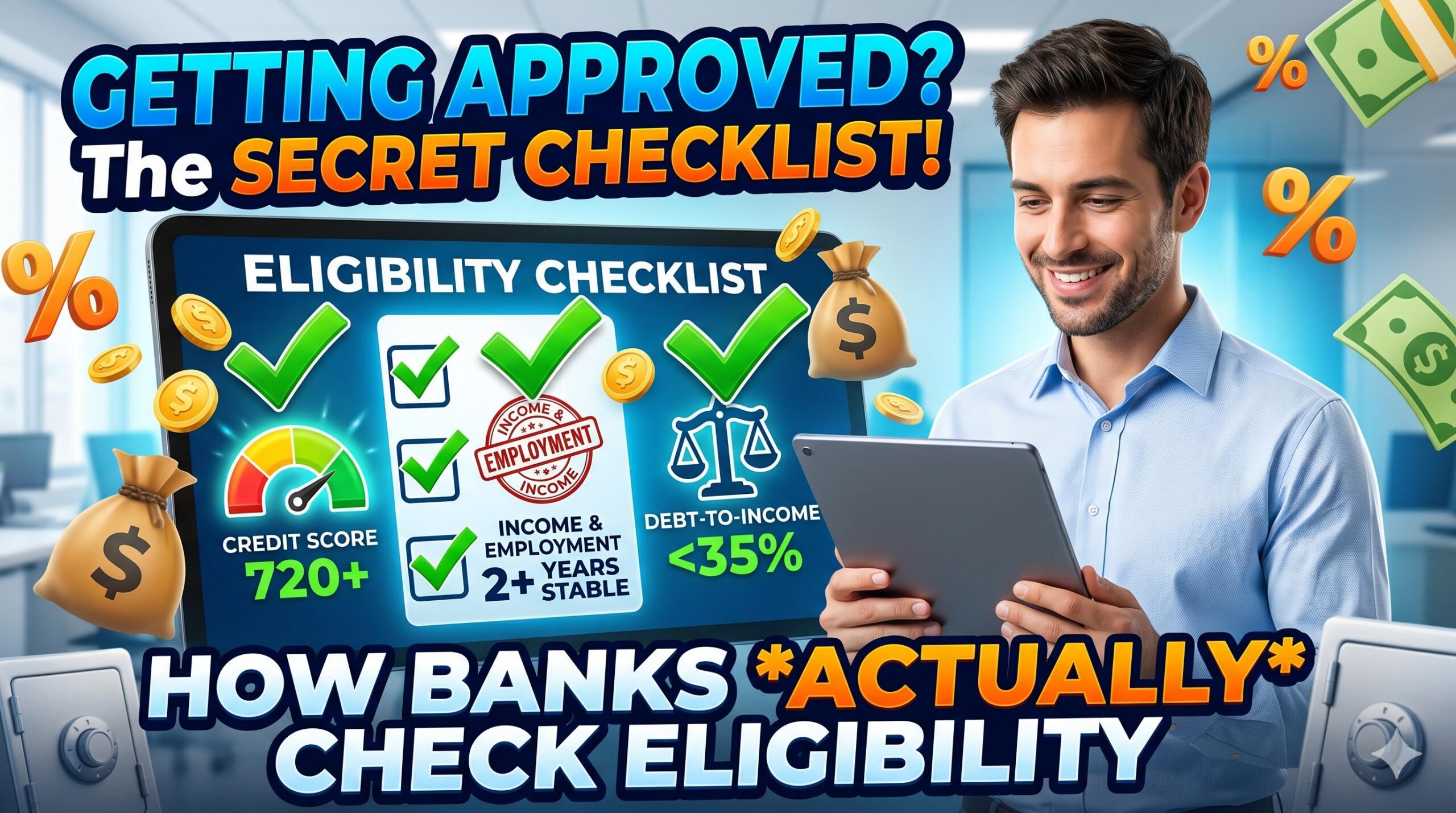
| Debt-to-Income (DTI) | The percentage of monthly income used to pay debts. | Below 35% – 40%. |
| Employment Tenure | Income stability and career consistency. | 1 to 2+ years of continuous employment. |
| Loan-to-Value (LTV) | (For secured loans) The loan amount vs. the asset’s value. | Varies, but usually requiring a 10%–20% down payment. |
How Understanding This Process Prevents Loan Rejection

At loanrejectionhelp. At LendingTree. Rejects typically occur when the eligibility check by this bank reveals:
- Unreported Debt: А borrower neglects that they had an old unpaid credit card and, as a result, damaged their history.
- Excessive DTI: A borrower earns a large income but has too much of it going towards paying other debts.
- Inconsistent Income: The income of a self-employed borrower is high, but the individual cannot produce official tax documents to prove it.
Having an Understanding of How Banks Assess Your Eligibility for a Loan Helps You to See your finances from the Underwriter Perspective That way you can address potential red flags before formally applying.
Understanding the RBI Approved Loan Apps List: A Beginner’s Guide to Safe Borrowing
Improving Your Eligibility Before Applying
If you want to ensure a smooth eligibility check, take these responsible financial steps before approaching a bank:
- Check Your Own Credit Report: Request a free copy of your credit report months before applying. Dispute any inaccuracies.
- Lower Your DTI: Aggressively pay down existing credit card balances or personal loans to free up your monthly cash flow.
- Avoid New Credit Inquiries: Do not apply for multiple credit cards or loans at the same time, as this signals financial distress to lenders.
- Organize Your Documentation: Have your tax returns, bank statements, and pay slips organized and ready to prove your income capacity.
Responsible Borrowing Advice & Risk Awareness

The fact that a bank qualifies you for a loan does not mean that you have to borrow up the full amount available. Responsible borrowing is being careful to borrow only what you need and can easily repay. Read the fine print, know your interest rate (fixed or variable), and beware of little-known fees. Bear in mind that debt is a serious legal pledge — if you do not repay, it will ruin your financial standing and risk the possibility of loss of security.
Frequently Asked Questions (FAQ)
Q: Will checking my own eligibility affect my credit score?
A: No. If you check your score, this has no effect on your rating- it’s a so-called “soft inquiry”. However, this type of check is seen as a “hard inquiry,” which occurs when you formally apply for credit with that bank or lender.
Q: Am I able to pass the eligibility check on behalf of a bank if self-employed?
A: Yes, absolutely. But the income verification is stricter. Salaried individuals only require payslips, while self-employed persons need to provide constant income and stable business revenue in the form of tax returns and bank statements.
Q: How come I make a lot of money but as soon as they check my credit history the answer is no to getting a loan?
A: High salary not equal high approval If your Debt-to-Income (DTI) ratio is too high—that is, if the majority of that hefty paycheck goes to pay off current loans—the bank will decide you cannot absorb more debt.