Introduction
Borrowers looking for the Best Loans for 550–650 Credit Score means they are in search of financial products made available only to borrowers whose credit score falls into a “fair” and lower category. If your credit score falls somewhere in the specific range of 550 to 650, then that suggests you probably have one or two negative items on your report — such as occasional late payments, a high balance relative to limit on credit cards and/or a relatively short term borrowing history. This is a common search from Borrowers, because in this tier only conventional banks decline great applications, leaving ordinary people wondering where on earth they can get safe and affordable funding.
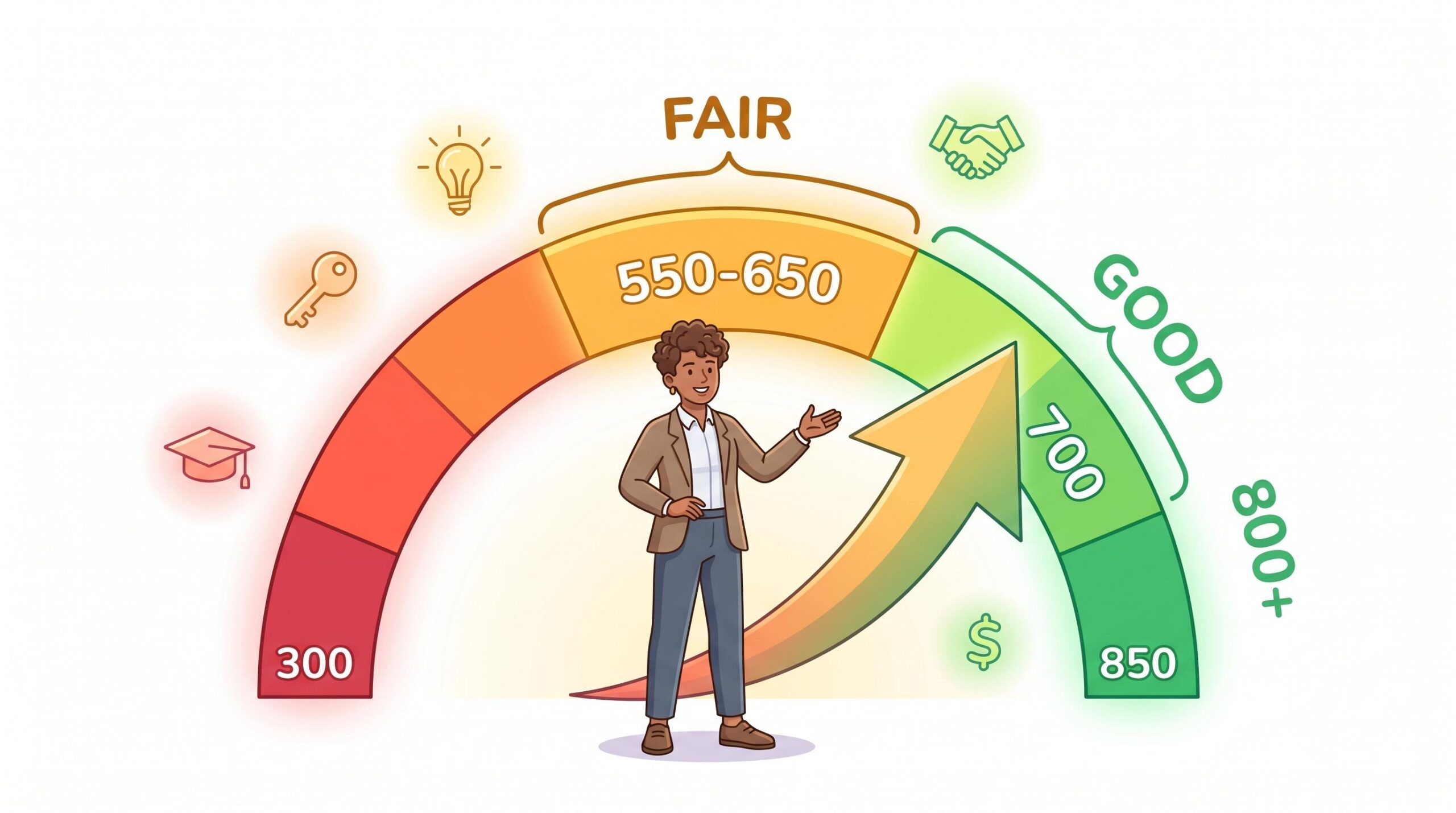
Your specific score within this bracket, your debt-to-income (DTI) ratio, how stable employment is in the industry you work in and ultimately the type of lender you’ve approached will all impact on what approval looks like — and at what rate you’ll be charged.
Your first step to borrowing more knowledgeably is understanding the economics behind this credit space.
Educational Disclaimer : The information provided on LoanRejectionHelp. The content of this Site is provided for general informational and educational purposes only. It is not offering financial, legal or professional advice. The approval of a loan and its terms and interest rates depend on the lenders themselves, as well as their personal finances. Make sure to borrow wisely, and consult with a certified financial adviser before making any credit decisions.
Table of Contents
The Reality of the 550–650 Credit Tier
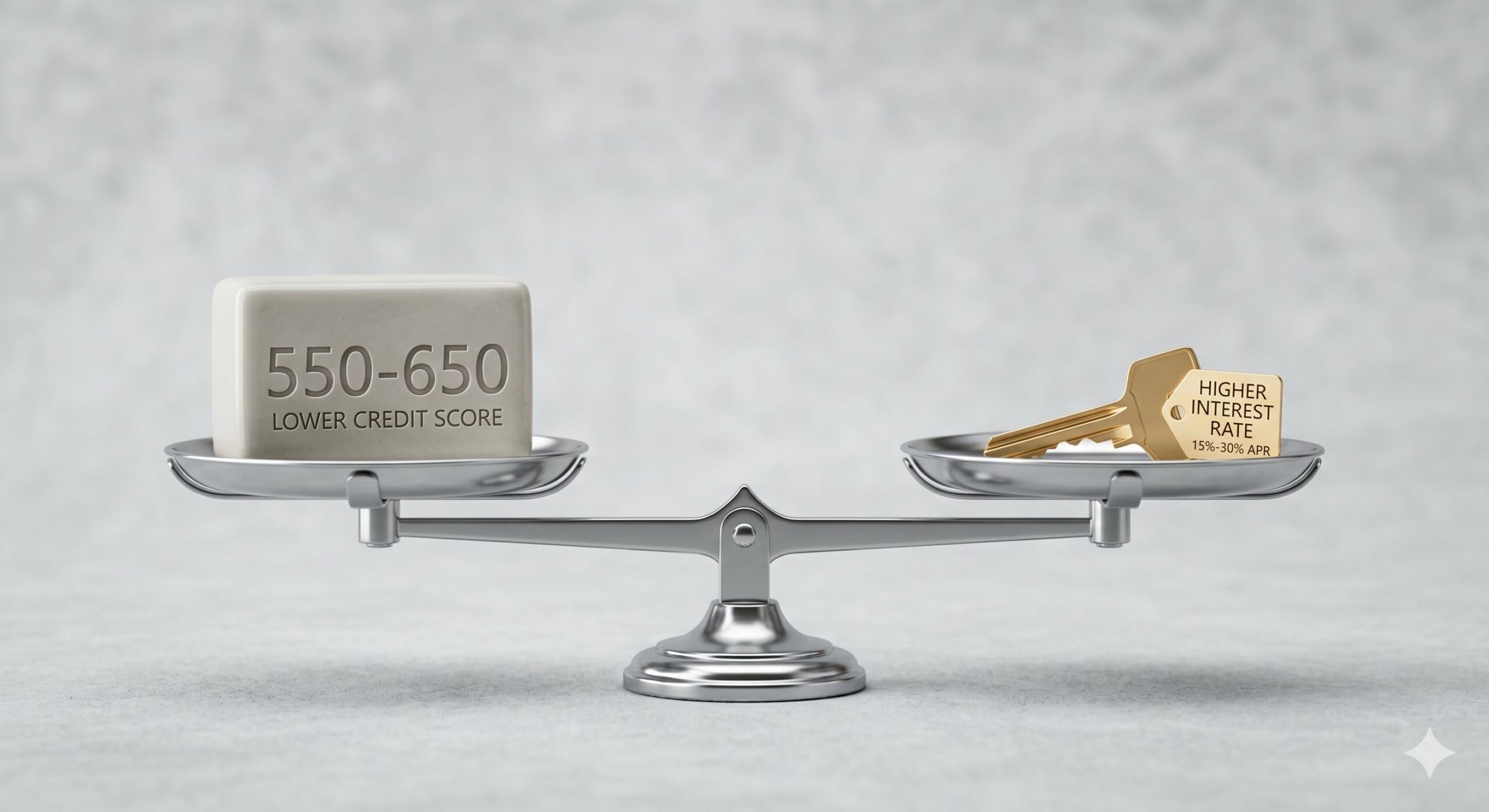
In the financial world, a score ranking between 550-650 is typically considered “subprime” or near-prime. This score is your chance of defaulting on a loan, and the lower that credit number is, the higher risk you are when it comes to lenders.
In order to compensate for this risk, they will charge the borrower a higher interest rate. So, learning about the Best Loans for 550–650 Credit Score actually has less to do with finding an un-terra-formed “perfect” loan or rate from some backwoods codes-as-in-mathematics book and everything much more along the lines of avoiding predatory lending landmines in order to find a fair deal. The cost of borrowing is high, but securing a legitimate path to financing can be completely possible.
Exploring the Best Loans for 550–650 Credit Score
If your credit score falls into this category, applying for standard unsecured personal loans at major national banks often leads to loan rejection. Instead, you should focus your educational research on the following accessible loan types:
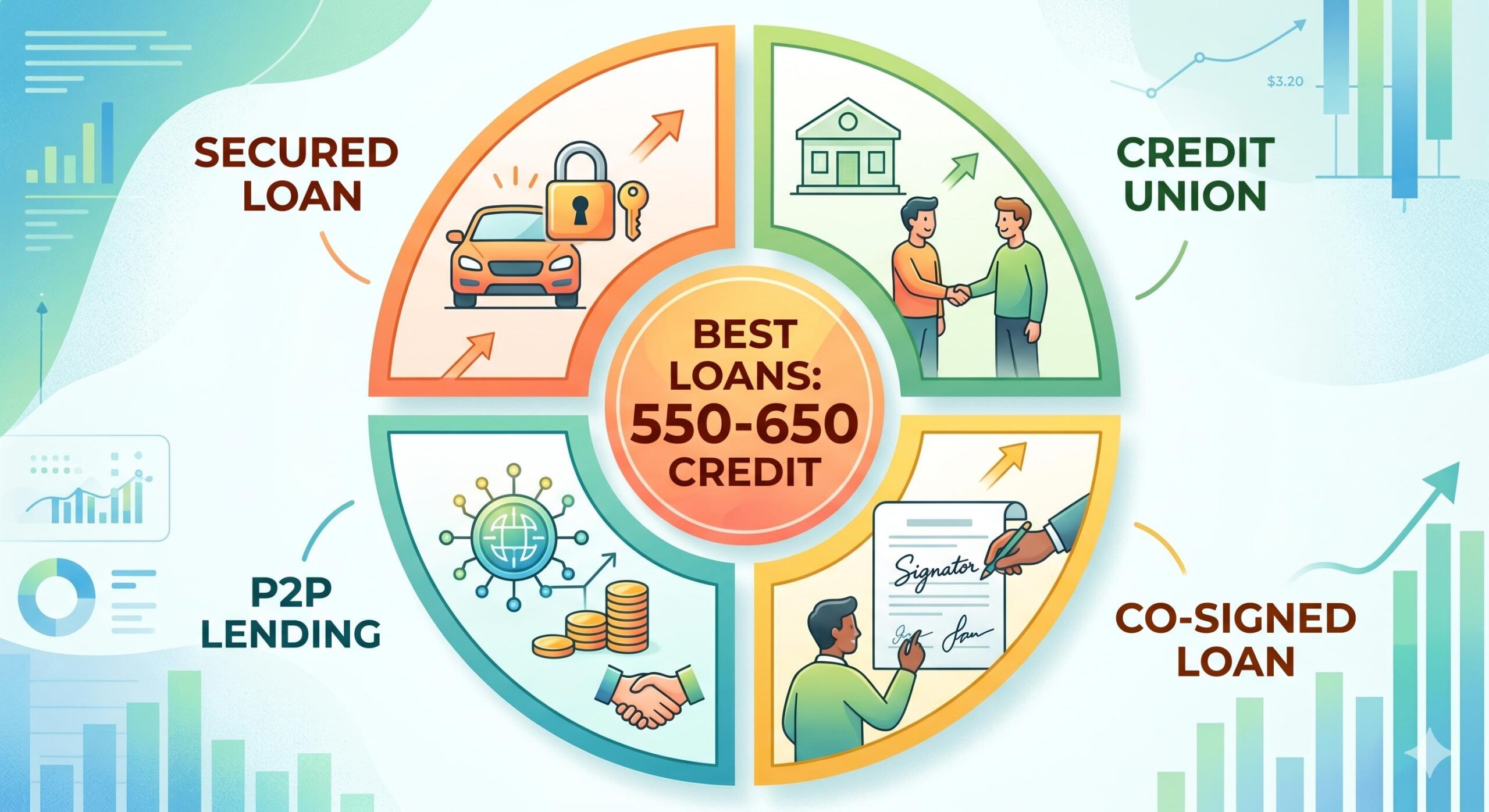
1. Secured Personal Loans
Secured loans require collateral, which is in contrast to unsecured lending where the borrower only has a credit score. It could be a car, an expense account or CD.
- Why it works: Because the lender has a claim on an asset if you’re unable to pay them back, they risk less. That gives them much more freedom to say yes on the 550–650 side.
- The Risk: To keep the Ponzi going, if you stop making payments then be prepared to lose that asset.
2. Credit Union Loans
Credit unions function as not-for-profit financial institutions owned by the members they serve — rather than corporate shareholders.
- Why it works: Credit unions have a reputation for getting past the three-digit credit score. These sometimes look into your whole relationship with the institution, where you have worked before and how good of a person areyou?
- The Catch: You can only apply if your membership eligibility requirements are already completed (such as geographical or niche).
3. Co-Signed Loans
If your score of 550–650 does not get you approved, a strong credit co-signer (700+) can make up the difference.
- Why it works: The lender can point to the good credit and income of a parent (the co-signer) in approving you, usually with better rates.
- The Risk: Your co-signer shares equal liability for the debt. Both your credit scores are affected if either of you misses a payment, potentially straining personal relationships.
4. Peer-to-Peer (P2P) Lending
P2P lending platforms match individual borrowers with individual investors online, bypassing traditional banks entirely.
- Why it works: Many P2P platforms specialize in fair-credit borrowers. They use alternative data—like your education, employment trajectory, and banking habits—to assess your creditworthiness.
What Affects Approval Beyond the Score?
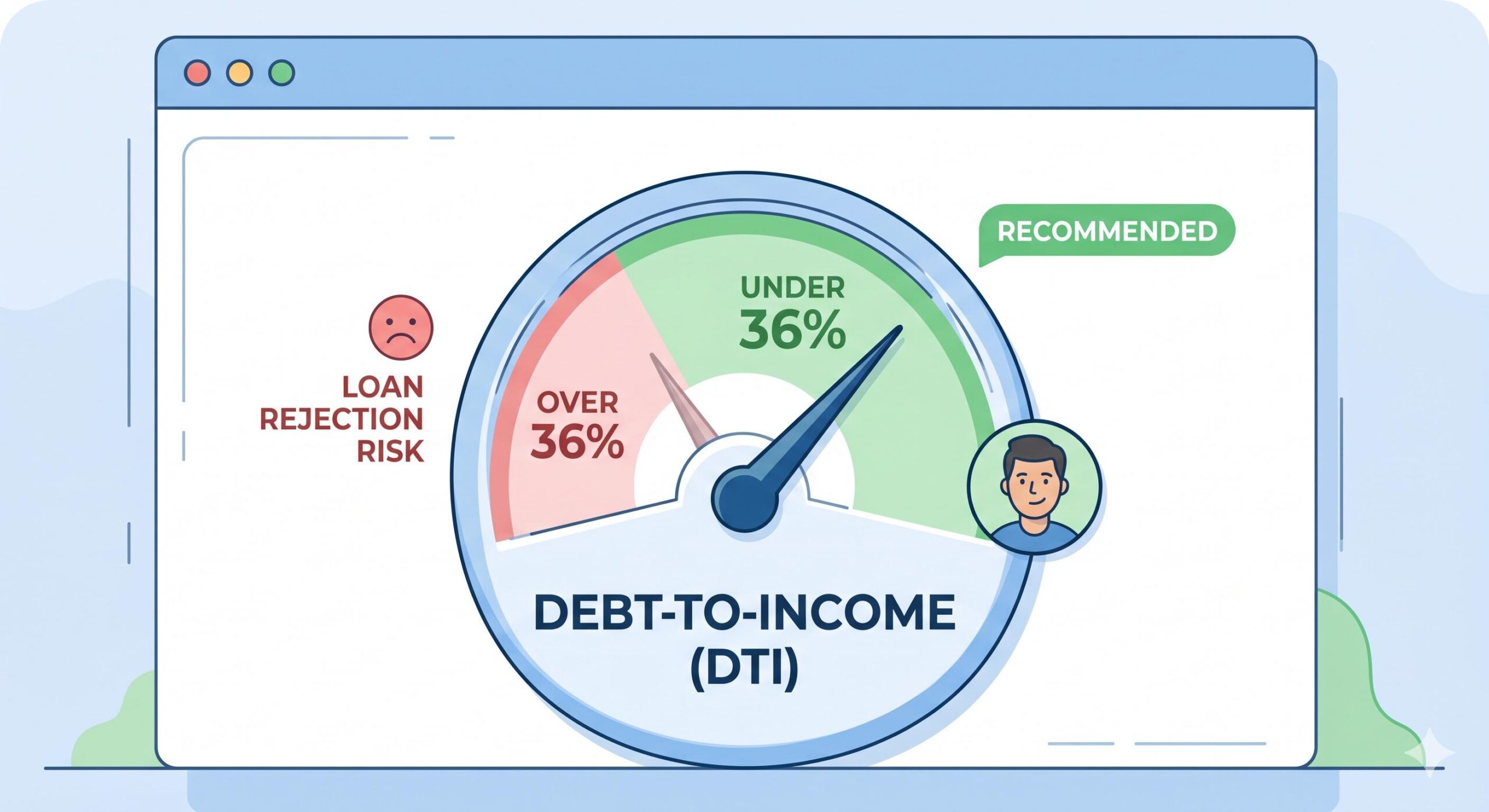
Once again, with the Best Loans for 550–650 Credit Score —even if you apply there’s never any kind of guarantee that you’ll get approval. Lenders will closely examine:
- Debt-to-Income (DTI) Ratio: This ratio tracks how much your monthly income goes to servicing existing debts. Most lenders want a DTI less than 36%.
- Income Stability: A stable and verifiable or documented income serves as confirmation that you can support a new monthly payment.
- Recent Credit Activity: A score of 620 is much more attractive to a lender if it indicates past misdeeds being corrected, than as scores starts dropping because you are suddenly missing payments again.
Navigating Loan Rejection in This Range
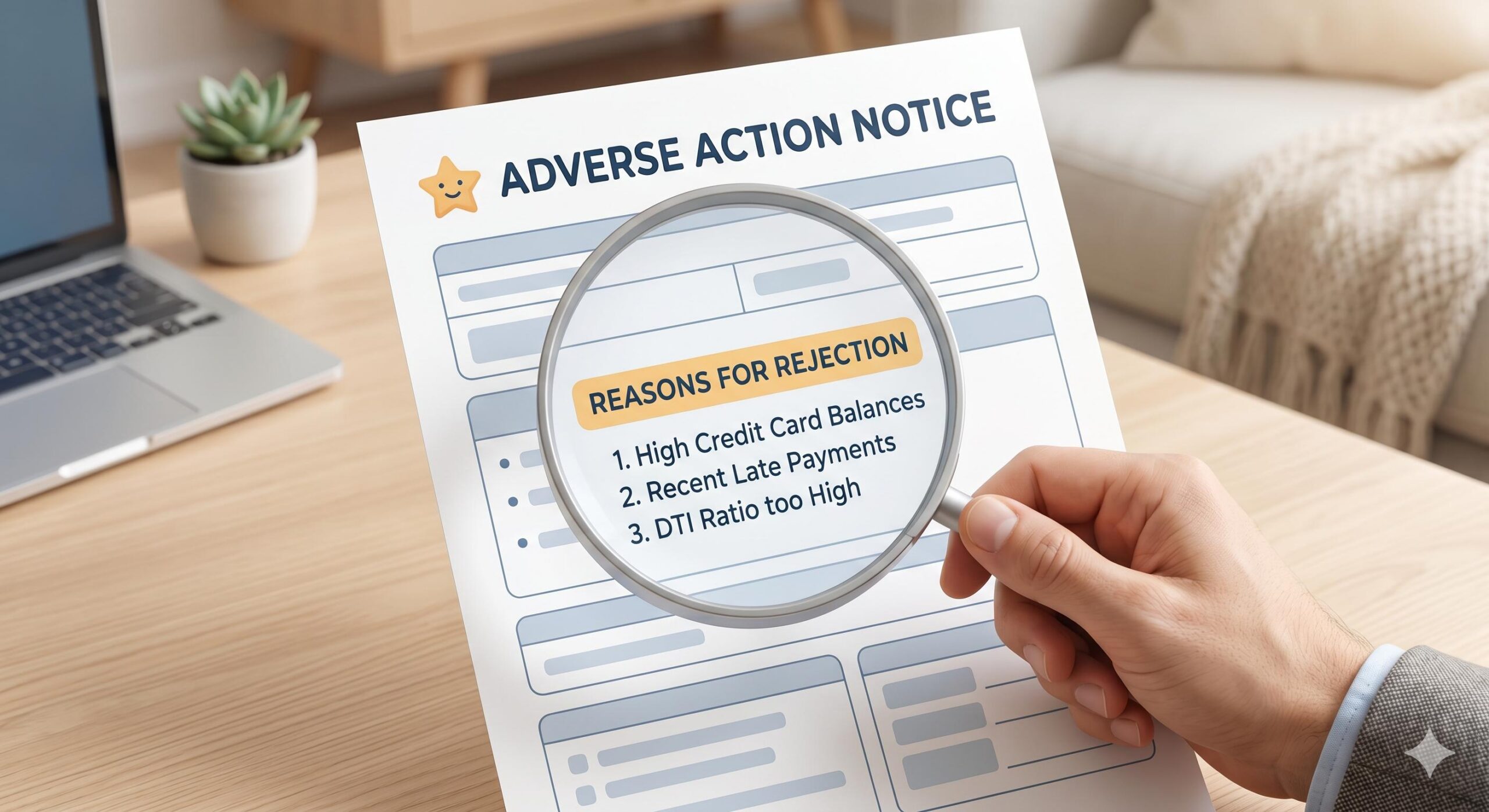
Never apply for another loan if your application is denied. All of them generate what is referred to as a “hard inquiry” in your credit report, which lowers your score even more and also let other lenders know you are desperate for cash.
Rather, request an “Adverse Action Notice” from the lender. This piece will tell you exactly why your application was a no-go! Leverage this data to enhance your finances: pay down existing credit cards, which lowers the utilisation rate on credit; fixing mistakes in a report and establishing a strong pattern of paid bills.
Responsible Borrowing and Risk Awareness
Responsible borrowing is essential when attempting to solve your financial market situation with a bad credit – fair-to-poor type.
- Avoid Payday Loans: Stay clear of short-term payday loans or predator title lending. They typically will have three-digit Annual Percentage Rates (APRs), subjecting you to a debt spiral.
- Borrow Only What You Need: Get only what you absolutely need – You might be approved for a specific amount but that does not mean to take it in full.
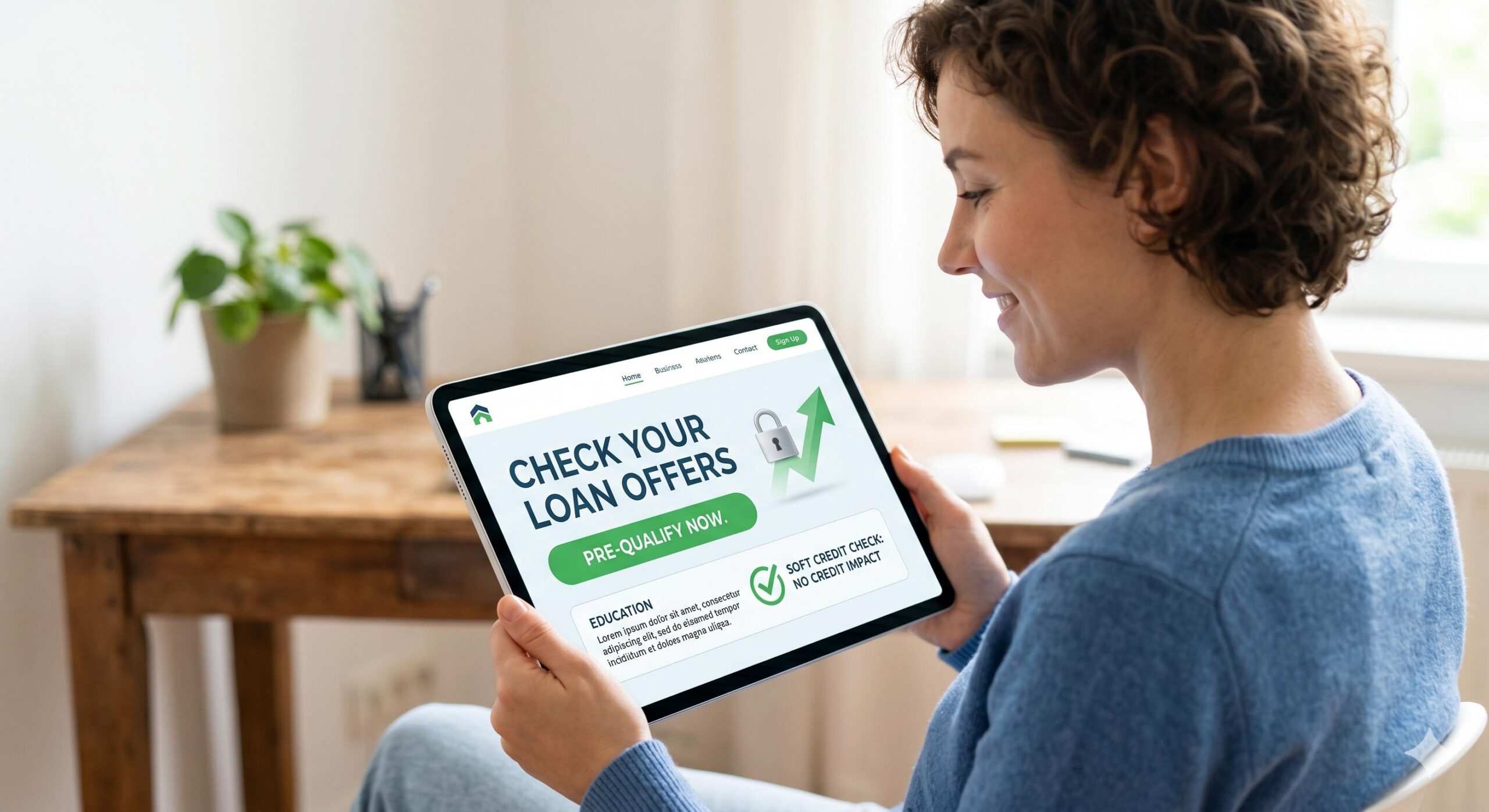
- Check for Pre-Qualification: Always search for lenders that will “soft credit check” you for preapproval. This enables you to view estimated rates without that effect on your credit score.
Understanding Data Theft Risks from Instant Loan Apps: A Guide to Safe Borrowing
Frequently Asked Questions (FAQ)
Q1: Will applying for loans for a 550-650 credit score hurt my credit further?
If the lender does a hard pull on your report, it could knock a point or two off of your score. So try to apply only when you really need, and always use soft pull pre-qualification tools such as the ones offered by Credit Cosmos where possible.
Q2: What is considered a “good” interest rate for a 600 credit score?
Of course interest rates will vary wildly based on what the banks demand in this market environment, but when you take into account a 600 credit score, we can see APRs usually between fifteen and thirty percent. Rates above 36% are typically considered predatory.
Q3: How long does it take to improve a 550 credit score?
Getting credit back in shape is kind of a marathon, NOT WOOHOO sprint. Payment history, credit card utilization and new credit create the biggest jumps — offered you manage bills on time. You should see some uplifts begin in 3 to half a year when paying down charge cards with these altered portfolios or purchasing no additional obligation over what is paid off inside this window of chance period.