Introduction
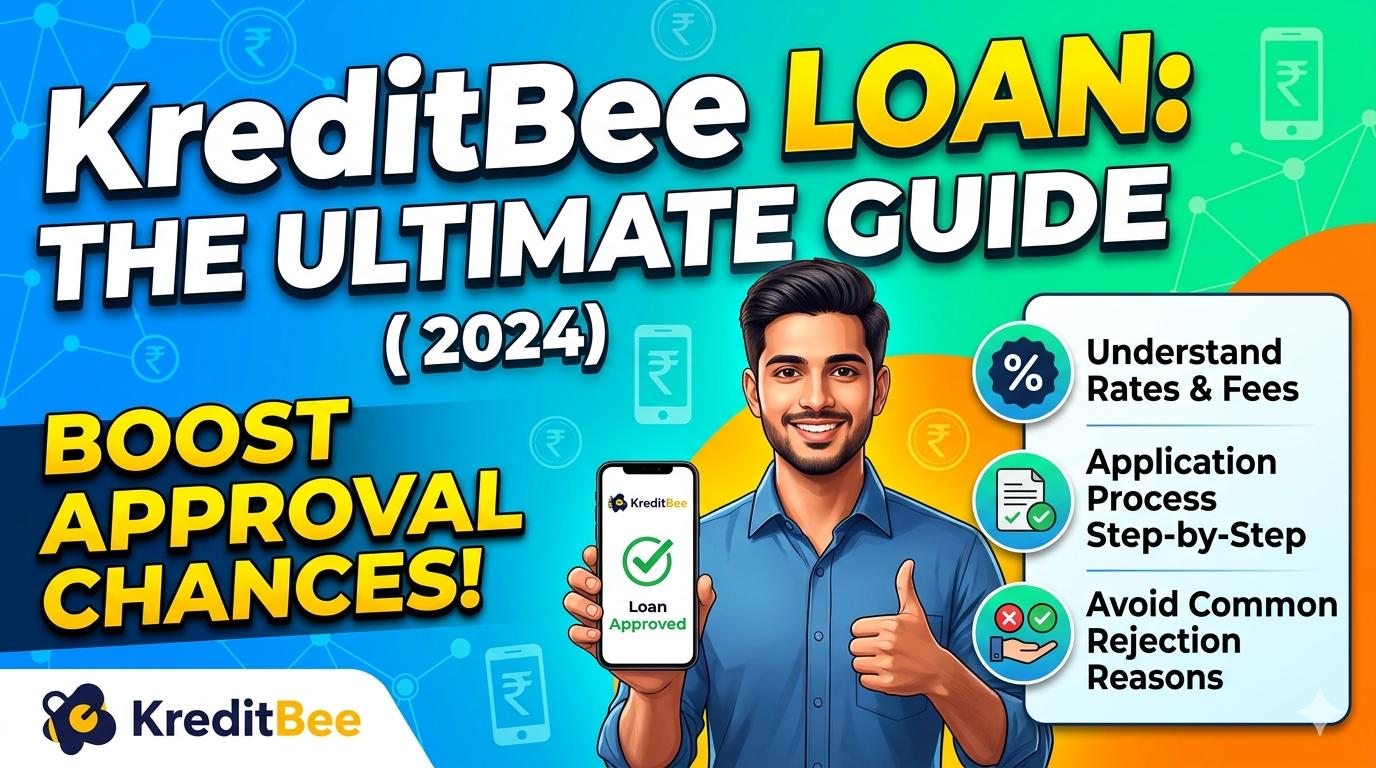
A KreditBee loan is an instant, unsecured personal loan facilitated through a digital lending platform that connects borrowers with Reserve Bank of India (RBI)-approved Non-Banking Financial Companies (NBFCs). Borrowers frequently search for this specific financial product because it offers a completely paperless, app-based avenue to access quick capital—often used for medical emergencies, urgent travel, or consolidating smaller debts—without the need to ever visit a physical bank branch.
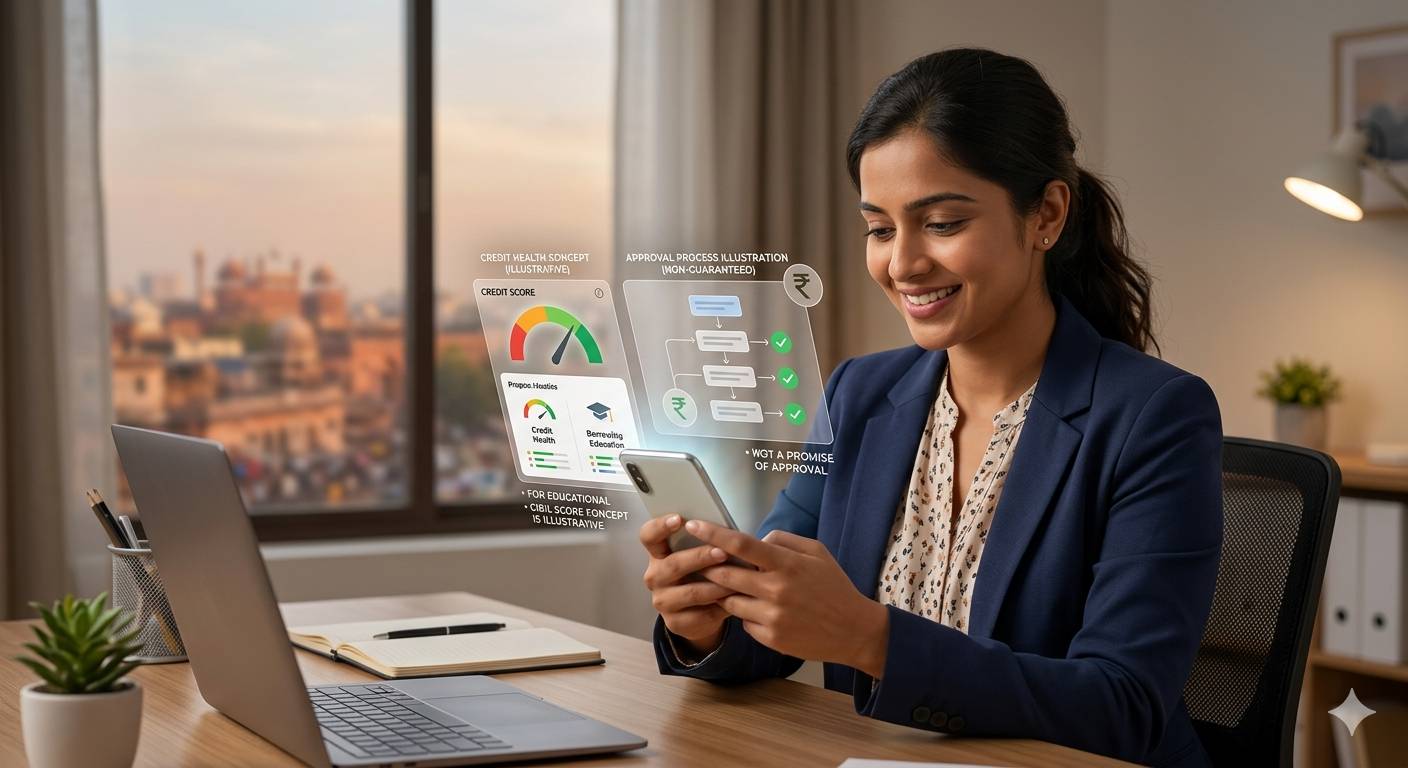
Ultimately, the loan amount you are offered, the interest rate you must pay, and the success of your application are heavily affected by your current CIBIL score, the verifiable stability of your monthly income, and your overall debt-to-income ratio.
Whether you are a salaried employee looking to cover a sudden expense, a self-employed professional seeking short-term working capital, or a first-time borrower trying to understand digital credit, grasping how fintech platforms operate is essential.
Table of Contents
What Exactly is a KreditBee Loan and How Does Digital Lending Work?
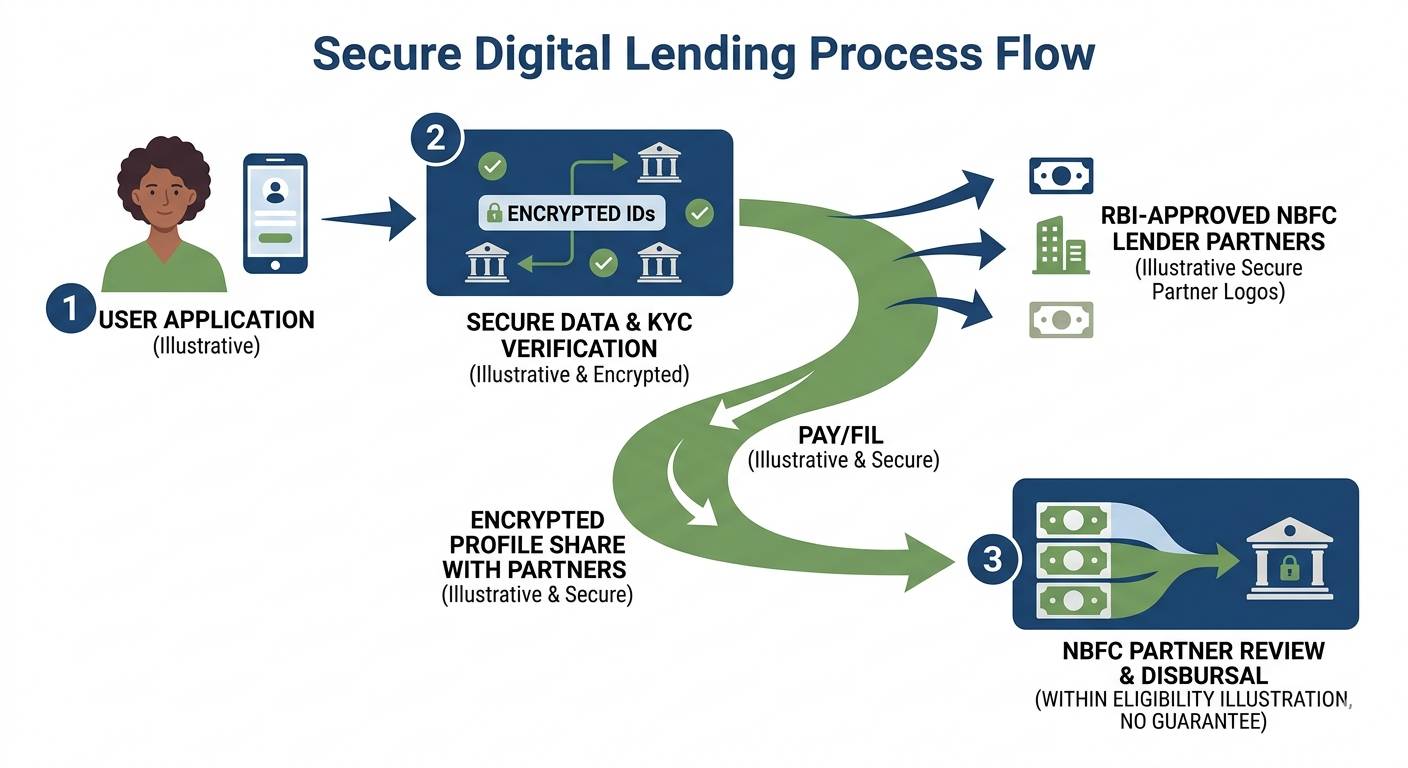
To understand a KreditBee loan, you must first understand the modern digital lending ecosystem. KreditBee itself is not a traditional bank. Instead, it operates as a digital facilitator or intermediary. It provides the technological platform (the mobile app) that evaluates your profile using advanced algorithms and then connects you with registered NBFCs that actually disburse the funds.
Because these are unsecured loans, you do not need to pledge any collateral, such as property or gold. The entire lending decision is based purely on your digital footprint and financial history. The platform typically categorizes its financial products to suit different needs:
- Flexi Personal Loans: Smaller loan amounts designed for immediate, short-term needs, often with shorter repayment tenures.
- Personal Loans for Salaried Individuals: Larger amounts offered to users who can provide proof of a steady, regular paycheck from a recognized employer.
- Personal Loans for Self-Employed: Tailored for business owners or freelancers, requiring different forms of income verification.
Understanding Interest Rates and the Cost of Digital Credit
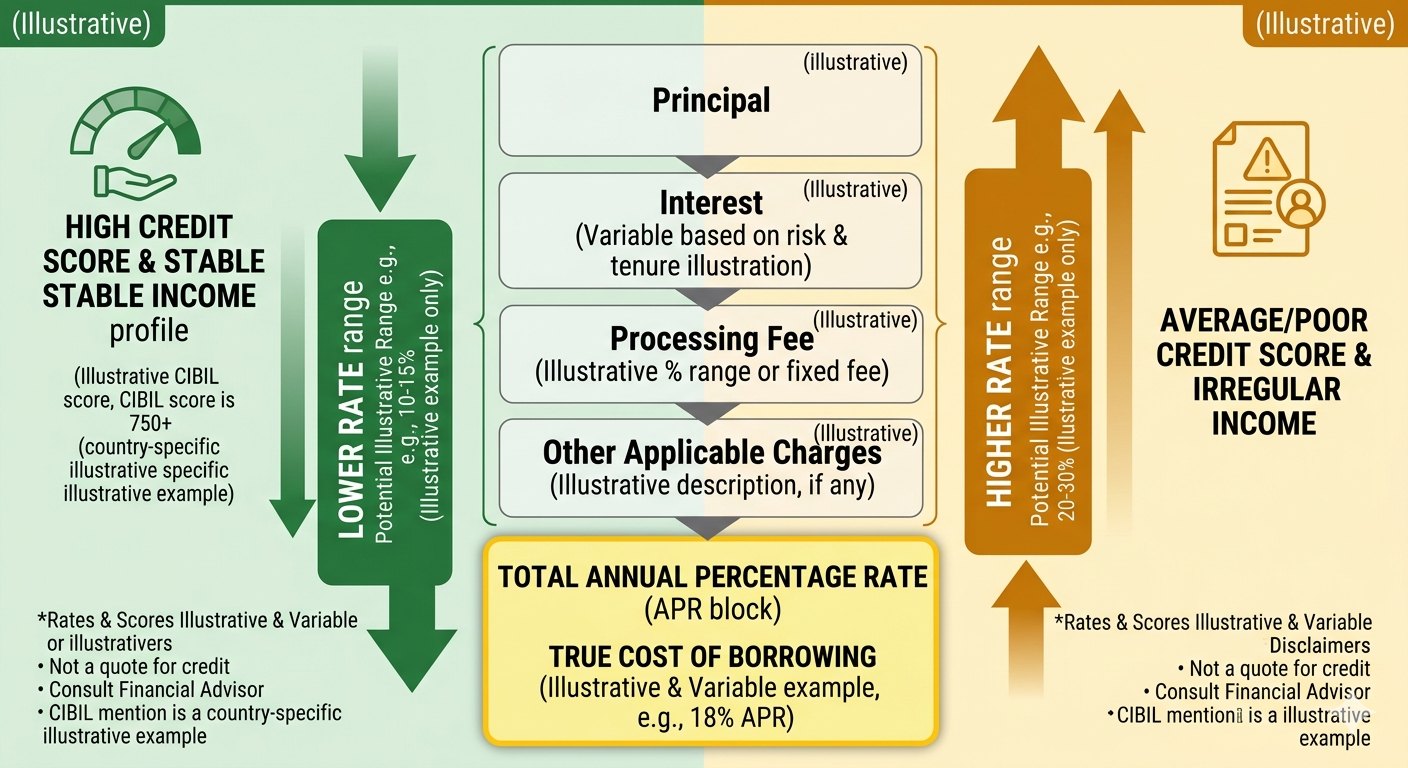
The most crucial financial concept to grasp before applying for any digital loan is the cost of borrowing. Because instant, paperless loans carry a higher risk for the lender (due to the lack of physical collateral and rapid processing times), the interest rates are generally higher than traditional, long-term bank loans.
Risk-Based Pricing
Digital lending platforms utilize risk-based pricing. This means there is no single, flat interest rate for everyone. Instead, the algorithm assigns a rate based on how “risky” you appear as a borrower. If you have an excellent credit score and a high, stable income, you will be offered a lower interest rate. If you are a first-time borrower with no credit history, or if your CIBIL score is average, the lender will charge a higher interest rate to offset the potential risk of default.
Processing Fees and the Annual Percentage Rate (APR)
When evaluating the cost of a KreditBee loan, the interest rate is only one piece of the puzzle. You must look at the Annual Percentage Rate (APR), which represents the true, total cost of the loan over a year.
- Processing Fees: Digital lenders charge a fee to process your application and verify your KYC documents. This is usually deducted directly from the loan amount before it is disbursed to your bank account.
- Late Payment Penalties: If you miss an EMI (Equated Monthly Installment) deadline, you will be hit with steep late fees and penal interest, which can cause your total debt to spiral quickly.
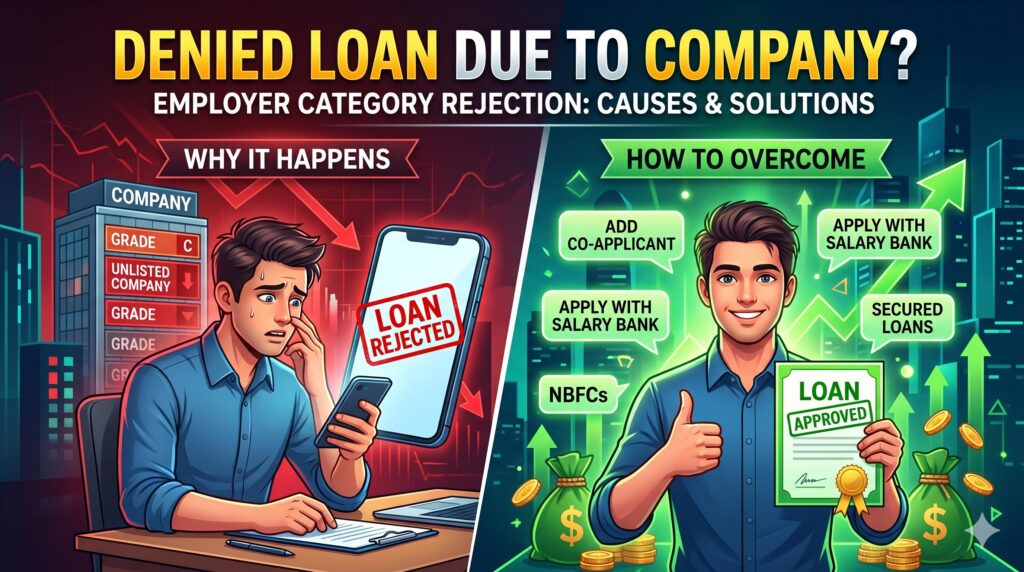
Common Reasons for a KreditBee Loan Rejection
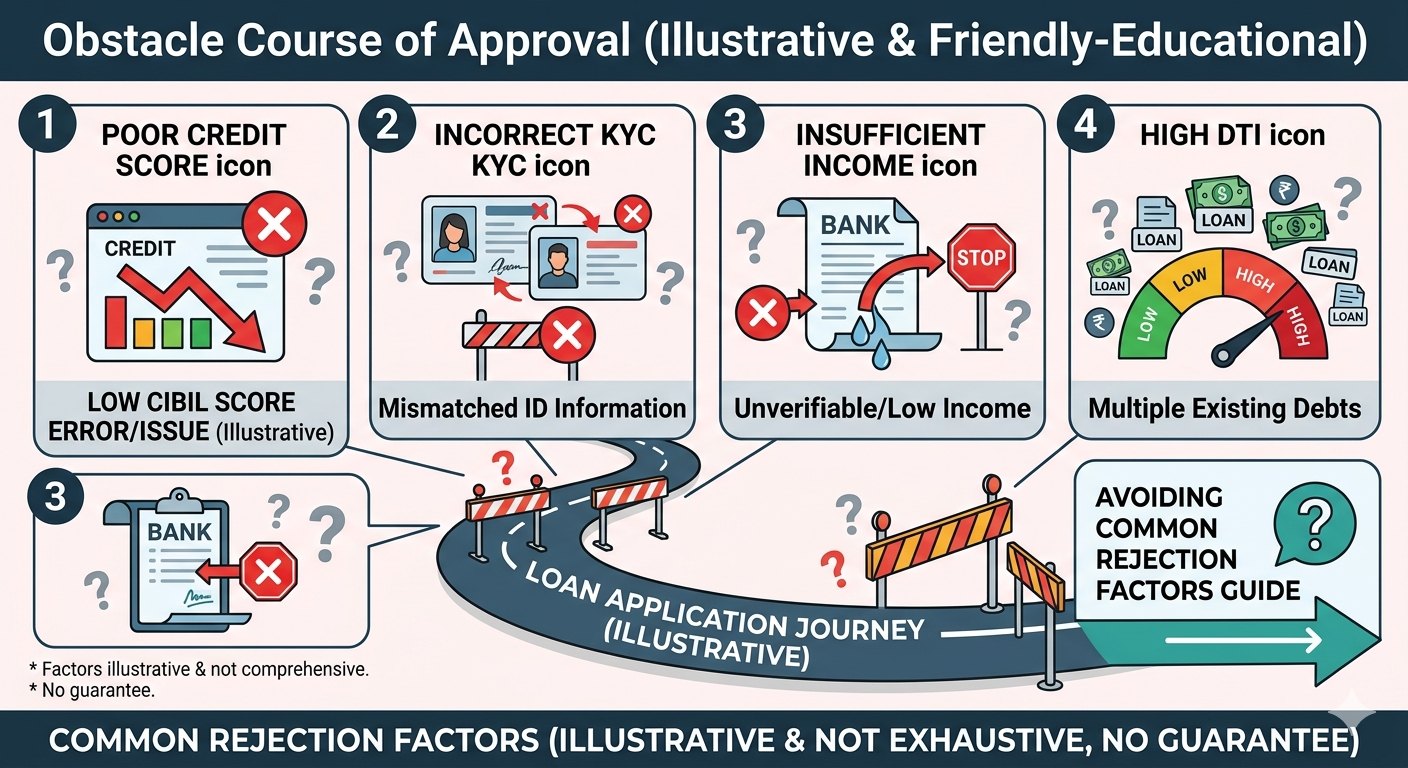
At loanrejectionhelp.com, we see many applicants confused as to why their digital loan request was denied, assuming that “instant” implies guaranteed approval. However, the algorithms used by these platforms are strictly programmed to reject high-risk profiles. Here is why an application might be declined:
1. Low CIBIL Score or Poor Credit History
Your CIBIL score is the most critical metric. If your credit report shows a history of delayed payments, defaulted credit cards, or written-off loans, the algorithm will automatically flag your profile as high-risk and reject the application.
2. Discrepancies in KYC Documentation
Digital lending relies entirely on electronic verification. If the name on your PAN card does not perfectly match the name on your Aadhaar card or your bank account, the system cannot verify your identity. Mismatched KYC details are a leading cause of instant automated rejections.
3. Unverifiable or Insufficient Income
Lenders need proof that you earn enough money to comfortably repay the loan. If you are applying for a salaried loan but your bank statements do not reflect a consistent salary credit on a fixed date every month, the lender will doubt your repayment capacity.
4. High Debt-to-Income (DTI) Ratio
Your DTI ratio measures how much of your monthly income is already dedicated to paying off existing debts. If you already have multiple active loans or maxed-out credit cards, and your EMI obligations consume more than 40% to 50% of your income, lenders will reject your application to prevent you from becoming over-leveraged.
How to Improve Your Chances of Approval
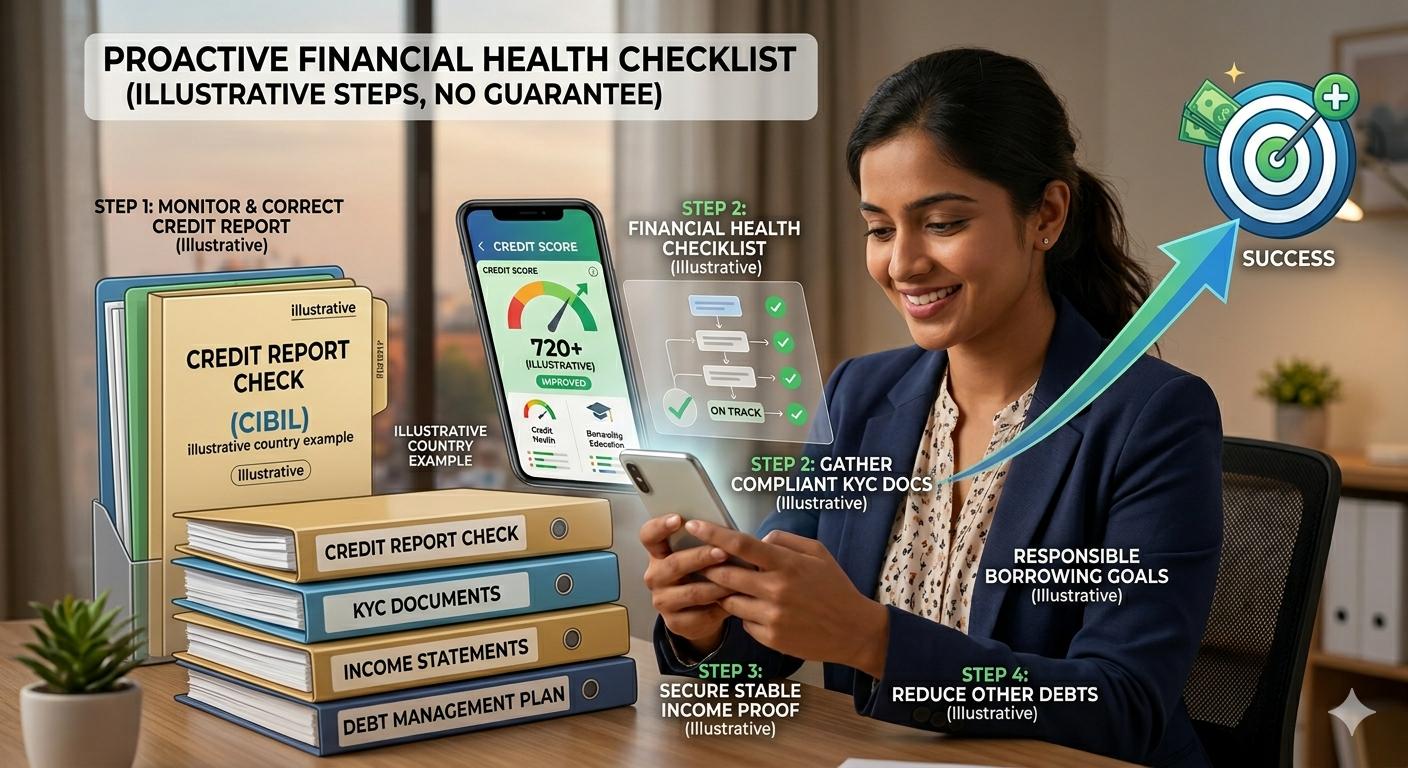
If you have recently faced a loan rejection or are planning to apply for the first time, taking a proactive approach to your financial health is vital. Follow these educational steps to strengthen your borrower profile:
- Monitor and Rebuild Your Credit Score: Check your CIBIL report before applying. If your score is low, take time to pay down existing credit card balances and ensure all current EMIs are paid on time.
- Ensure Clean KYC Records: Double-check that your permanent address, spelling of your name, and date of birth are identical across your PAN, Aadhaar, and primary bank account.
- Maintain Healthy Bank Statements: Avoid frequent ATM cash withdrawals that deplete your account balance to zero immediately after payday. Lenders look for responsible financial behavior and a healthy average monthly balance.
- Do Not Apply for Multiple Loans Simultaneously: Every time you apply for credit, the lender performs a “hard inquiry” on your credit report. Multiple inquiries in a short period signal to the algorithm that you are credit-hungry or in deep financial distress, leading to immediate rejections.
Demystifying the Vidya Lakshmi Portal: A Complete Guide to Education Loans
Frequently Asked Questions (FAQs)
1. Why was my KreditBee loan application rejected instantly? Instant rejections on digital lending platforms are usually triggered by automated algorithms. The most common reasons include a low CIBIL score, a mismatch between your PAN card and Aadhaar card details (KYC discrepancies), or failing the digital age and income criteria set by their lending partners.
2. What is the minimum CIBIL score required for a KreditBee loan? While digital lenders are sometimes more flexible than traditional banks, you generally need a healthy credit profile. A CIBIL score of 700 or above significantly improves your chances of approval and helps you secure a lower interest rate. Profiles with “default” or “settled” status on past loans are almost always rejected.
3. Is KreditBee an actual bank, and is it safe to use? KreditBee itself is not a bank; it is a fintech platform and loan facilitator. However, it is a legitimate platform that partners exclusively with NBFCs (Non-Banking Financial Companies) that are officially registered and regulated by the Reserve Bank of India (RBI).
4. Can I get a loan from KreditBee if I am self-employed or do not have a salary slip? Yes. While they have specific products for salaried professionals, they also offer “Flexi Personal Loans” and options for self-employed individuals. However, even without a formal salary slip, you must still provide verifiable bank statements that prove you have a stable, regular income capable of supporting EMI payments.
5. How long does the loan approval and disbursal process take? Because the process is entirely digital, approval can happen within minutes if your profile is strong and your KYC documents are perfectly aligned. Once the digital loan agreement is signed and approved by the NBFC partner, the funds are typically disbursed directly into your verified bank account within a few hours.
Responsible Borrowing and Risk Awareness
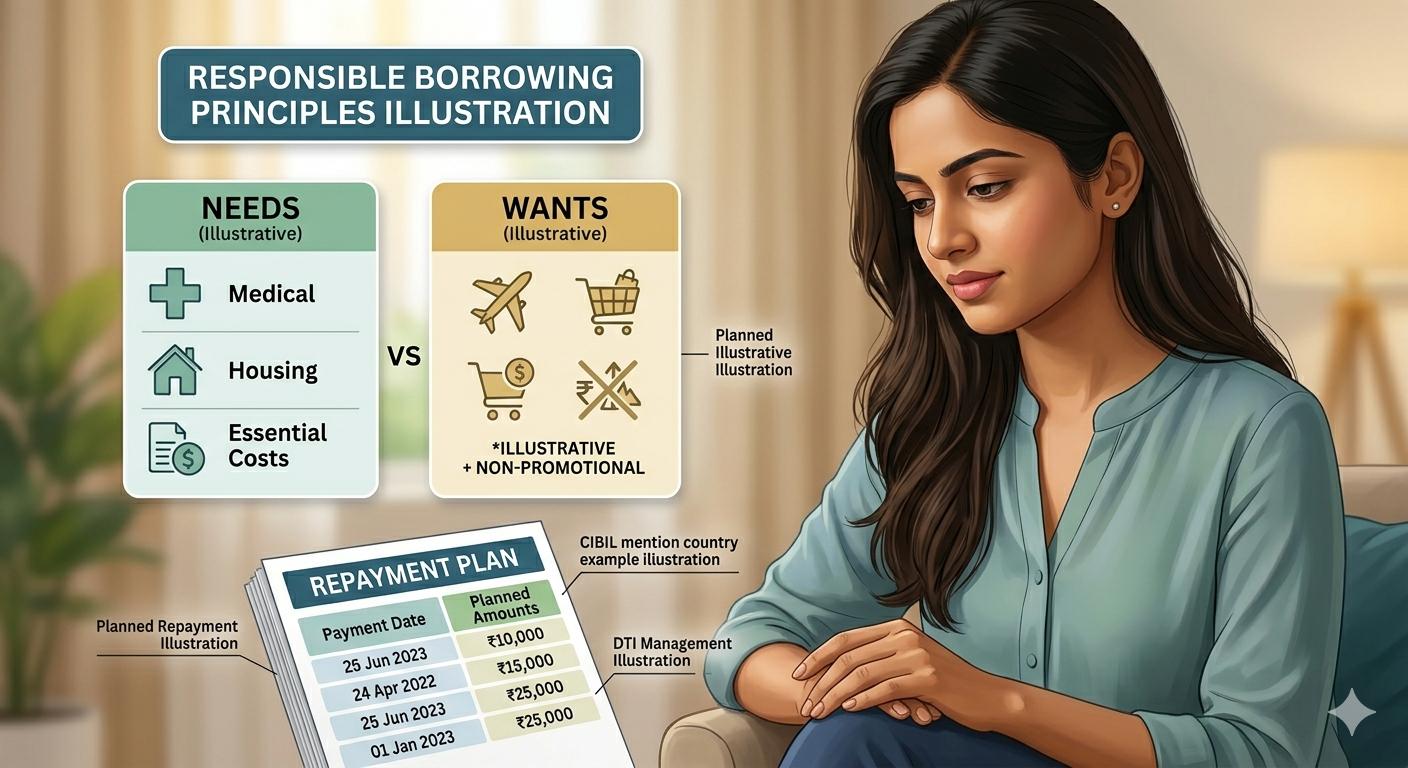
While instant digital loans provide incredibly convenient access to funds, they require a high degree of financial discipline. Borrowing money digitally is still a legally binding financial commitment. Never take an instant personal loan for speculative investments, gambling, or non-essential luxury purchases. Because these loans often carry higher interest rates and strict repayment schedules, failing to pay your EMIs on time will severely damage your CIBIL score, making it extremely difficult to secure important loans (like a home loan or auto loan) in the future. Furthermore, continuous default will lead to recovery proceedings by the partnered NBFCs.
Always calculate your exact monthly EMI before accepting a loan offer, and ensure that the payment fits comfortably within your household budget alongside your essential living expenses.
Conclusion
Navigating the world of digital finance can be incredibly convenient, and a KreditBee loan offers a modern, streamlined solution for accessing immediate capital through its network of partnered NBFCs. However, the speed of digital lending should never be mistaken for guaranteed approval.
By deeply understanding how risk-based interest rates and processing fees work, you can calculate the true cost of your borrowing. More importantly, by maintaining a healthy CIBIL score, perfectly matching your KYC documents, and keeping your debt-to-income ratio low, you significantly protect yourself against the frustration of instant loan rejections. Remember that taking on any unsecured debt is a serious financial commitment. Always prioritize responsible borrowing, borrow only what you urgently need, and ensure your monthly EMIs fit safely within your financial budget to protect your long-term credit health.