
Introduction
Navigating the financial world when you have a poor credit history can feel like walking through a maze with no exit. One of the most common terms used by people in this situation is “loans for blacklisted”. While the term “blacklist” isn’t a formal financial status, it is the phrase many borrowers use when they find themselves repeatedly rejected by traditional banks due to past financial mistakes.
Borrowers search for these loans when they face urgent financial needs but are hindered by a record of defaults, late payments, or court judgments. Your ability to access credit in this category is primarily affected by your credit score, your current income stability, and your debt-to-income ratio.
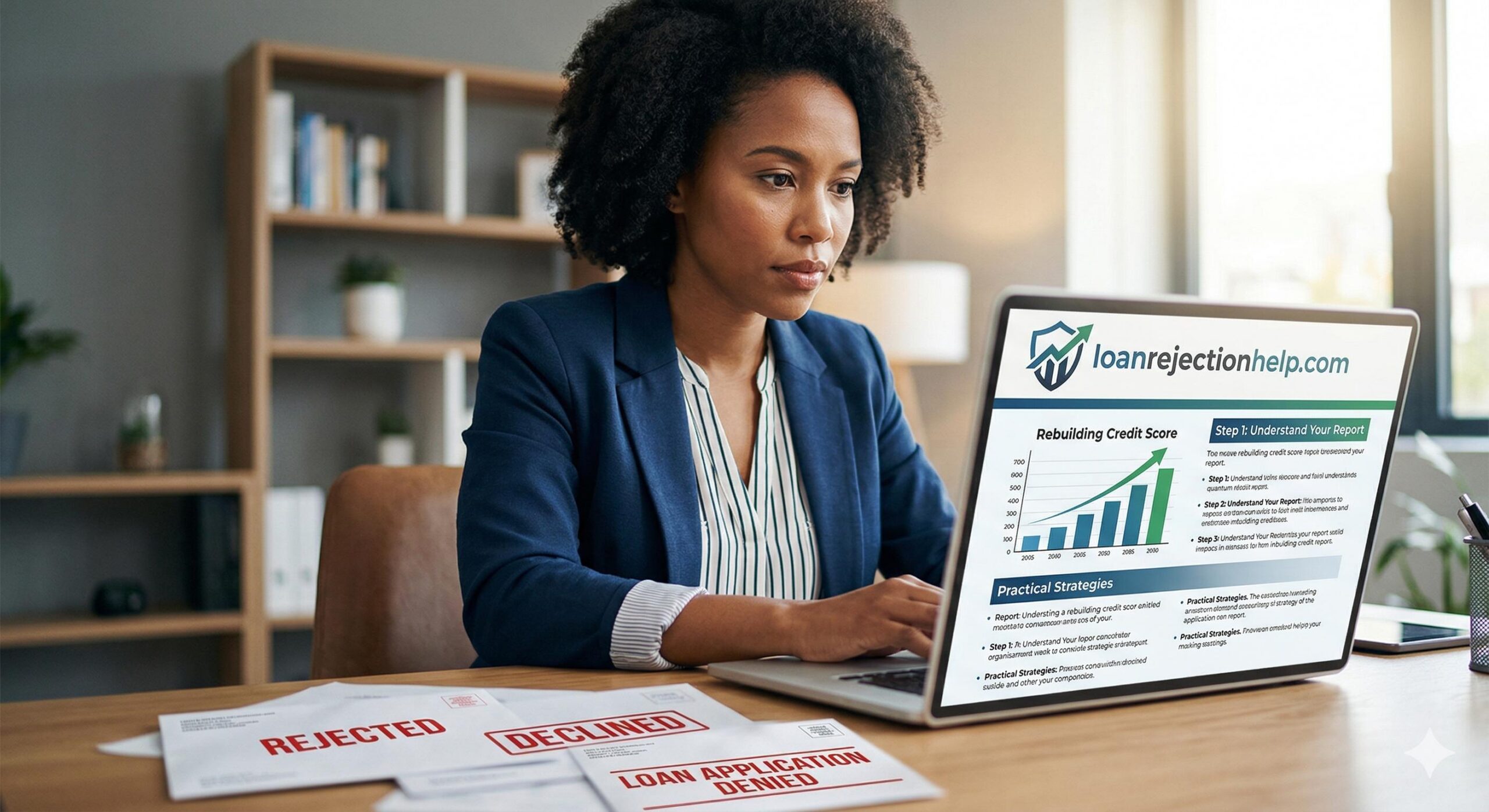
At loanrejectionhelp.com, our goal is to provide you with the financial literacy needed to understand these high-risk products. Before you sign any agreement, it is vital to understand the mechanics of these loans, the interest rates involved, and how you can eventually transition back to being a “prime” borrower.
Table of Contents
What Does “Blacklisted” Actually Mean in Finance?
In the official banking sector, there is no secret “list” that bans you from borrowing. Instead, “blacklisted” is a colloquial term for having a poor credit profile at major credit bureaus.
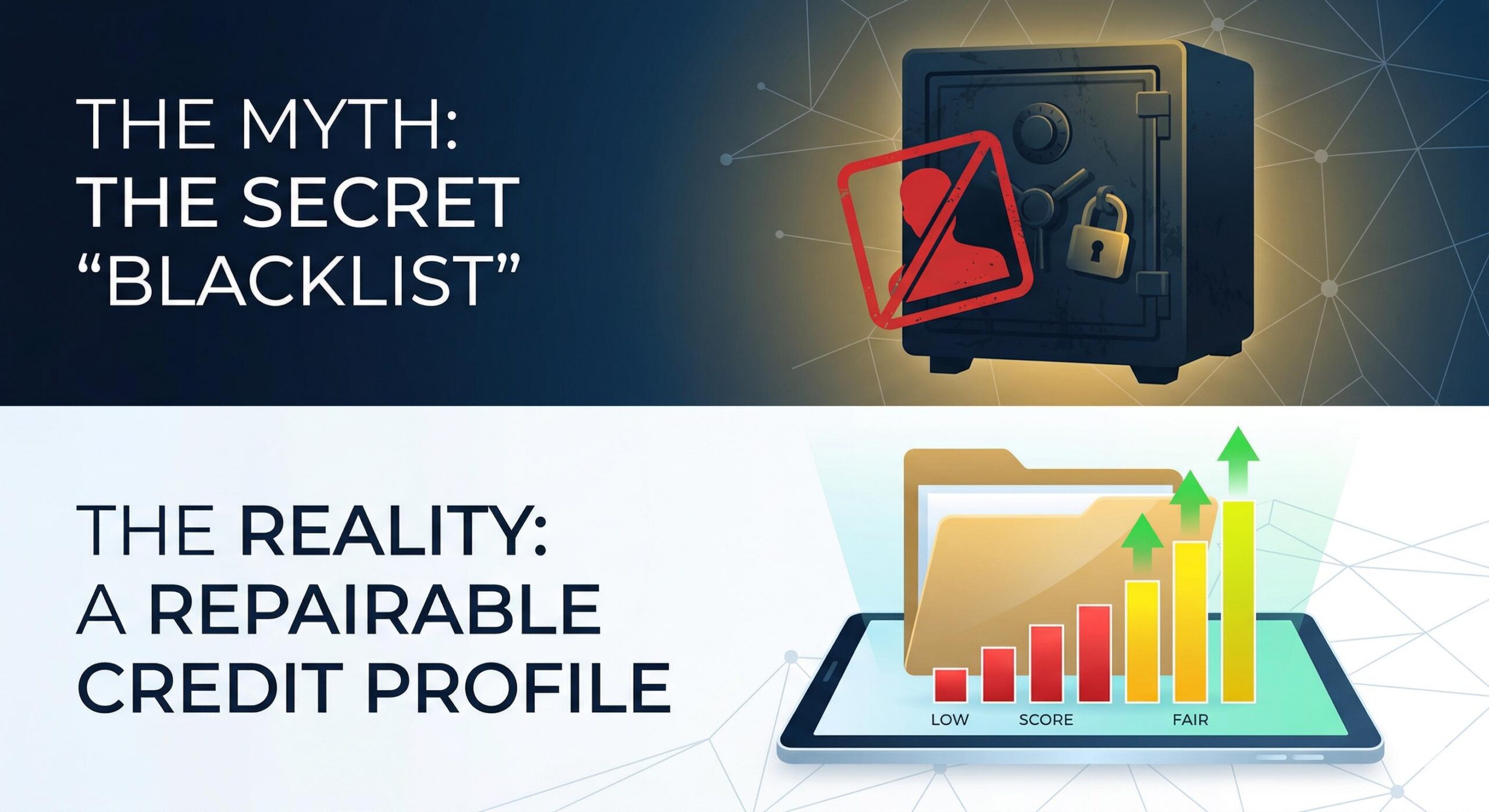
When you apply for a loan, lenders “pull” your credit report. If that report shows a history of non-payment, debt review, or legal interventions like administration orders, you are flagged as a high-risk borrower.
Why Borrowers Seek These Loans
Most people seeking loans for the blacklisted are looking for a “second chance.” Often, a past life event—like a medical emergency or a period of unemployment—caused them to fall behind on payments. Even if their financial situation has since improved and they now have a steady salary, their credit score remains low, making traditional personal loans inaccessible.
How High-Risk Loans Work: The Role of Interest Rates
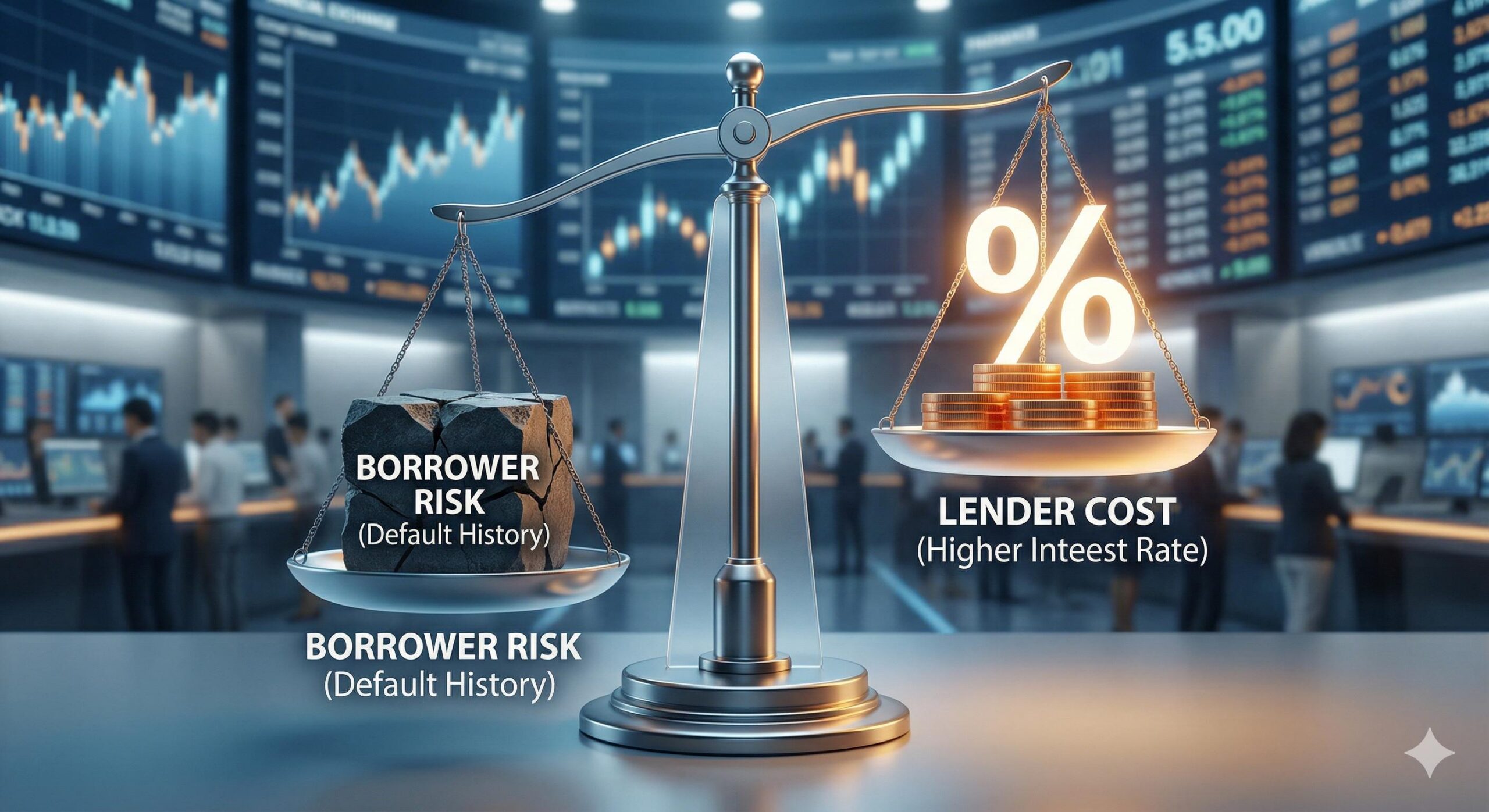
The most critical factor to understand about loans for blacklisted individuals is the cost of borrowing. In the financial world, risk and interest rates are directly linked. Because a lender is taking a larger chance on someone with a history of defaults, they charge significantly more to cover the potential of another default.
The Mechanics of Interest and Risk
Traditional personal loans offer lower interest rates because the borrower has a proven track record. However, high-risk loans (subprime loans) function under a different set of rules:
- Risk Premium: Lenders add a “risk premium” to the standard interest rate. This ensures the lender remains profitable even if some borrowers fail to repay.
- Compounding Costs: High interest rates mean that the total amount you pay back can be significantly higher than what you originally borrowed.
- Short Repayment Windows: Many high-risk loans are short-term. While this means you are out of debt faster, the monthly installments can be very high, putting further strain on your monthly budget.
Important Note: Always look at the Annual Percentage Rate (APR). This percentage includes the interest plus all service fees, giving you the most accurate cost of the loan.
Common Types of Loans for High-Risk Profiles
If you cannot qualify for a standard bank loan, you might encounter these alternative financial products:
1. Secured Loans (Collateral-Based)
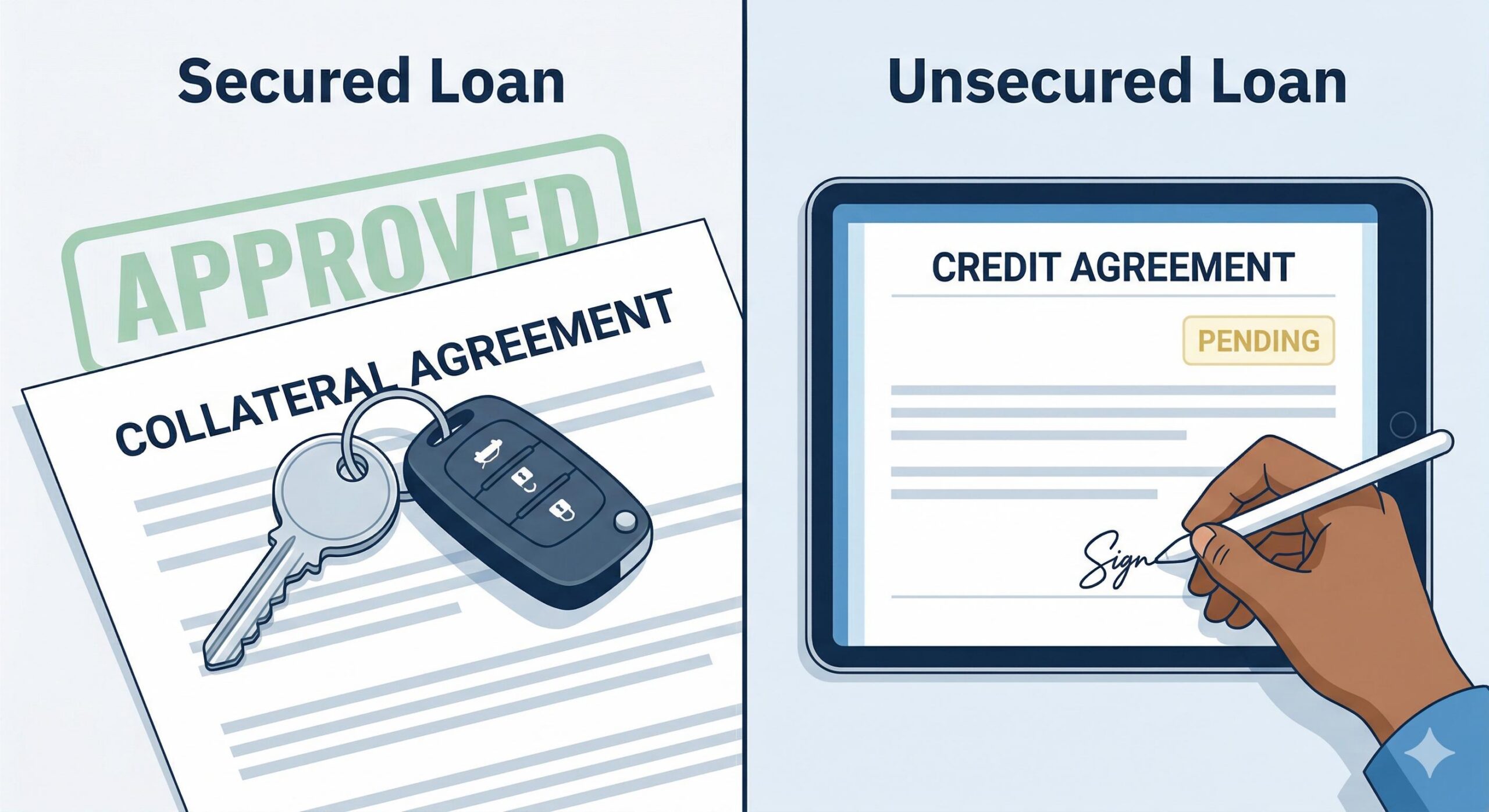
These require you to put up an asset, such as a car or property, as security. Because the lender can seize the asset if you default, they are more willing to approve “blacklisted” applicants.
2. Peer-to-Peer (P2P) Lending
P2P platforms connect individual investors with borrowers. Some investors are specifically looking for high-risk, high-reward opportunities and may be more lenient than a traditional bank.
3. Specialized High-Risk Lenders
There are registered credit providers who specialize in “bad credit” or “blacklisted” loans. They focus more on your current affordability (can you pay it back today?) rather than your past history.
Why “Blacklisted” Loan Applications Get Rejected
Even lenders who cater to those with poor credit will still reject applications. Understanding why can help you fix your profile before applying.
- Lack of Affordability: Lenders are legally required to ensure you can afford the loan. If your bank statement shows that your expenses are too close to your income, they will reject you to prevent a “debt trap.”
- Unstable Employment: If you have been at your job for less than three to six months, lenders view you as a higher risk.
- Current Debt Review: If you are currently under a formal debt relief process (like debt review or debt counseling), it is illegal for a lender to grant you more credit.
- Inaccurate Information: Simple mistakes on your application form or outdated contact details can lead to an automatic decline.
The Financial Impact of High-Interest Borrowing
| Feature | Standard Bank Loan | High-Risk/Blacklisted Loan |
| Interest Rate | 7% – 15% (Variable) | 25% – 60%+ (Depending on local laws) |
| Approval Speed | 2–5 Business Days | Often same-day or 24 hours |
| Requirements | High Credit Score | Proof of Income/Employment |
| Loan Amount | High (Based on income) | Usually Small to Moderate |
Risk Awareness: The primary danger of these loans is the “debt spiral.” Because the interest is so high, borrowers often find themselves taking out a new loan just to pay off the interest of the previous one.
Understanding the HDFC Netbanking Loan: Eligibility, Process, and Approval Guide
Frequently Asked Questions (FAQ)
1. Can I get a loan if I am blacklisted?
Yes, it is possible. Certain registered lenders specialize in helping individuals with poor credit. However, these loans usually come with much higher interest rates and stricter repayment terms compared to traditional bank loans.
2. How do I check if I am “blacklisted”?
You should request a free credit report from a major credit bureau (such as Experian, TransUnion, or Equifax). This report will show you exactly which accounts are in default and if there are any judgments against your name.
3. Are “guaranteed” loans for blacklisted people real?
No. Legitimate, registered lenders must perform an affordability assessment by law. Any company promising “100% guaranteed approval” without checking your income or bank statements is likely a scam or an illegal “loan shark.”
4. How long does a “blacklist” status last?
Most negative information, like late payments, stays on your credit report for 5 years. Judgments can stay for 5 years or until the debt is paid in full and the judgment is rescinded.
5. Will taking a loan help my credit score?
If you take a loan from a registered provider and pay every installment on time, it will slowly help rebuild your credit score by proving you can manage debt responsibly. However, missing a single payment will damage your score even further.
Responsible Borrowing & Educational Disclaimer
Educational Disclaimer
The information provided on loanrejectionhelp.com is for educational and informational purposes only. We are not a credit provider, and we do not guarantee loan approval. Always consult with a certified financial advisor or a debt counselor before entering into a credit agreement.
Key Takeaways for Success:
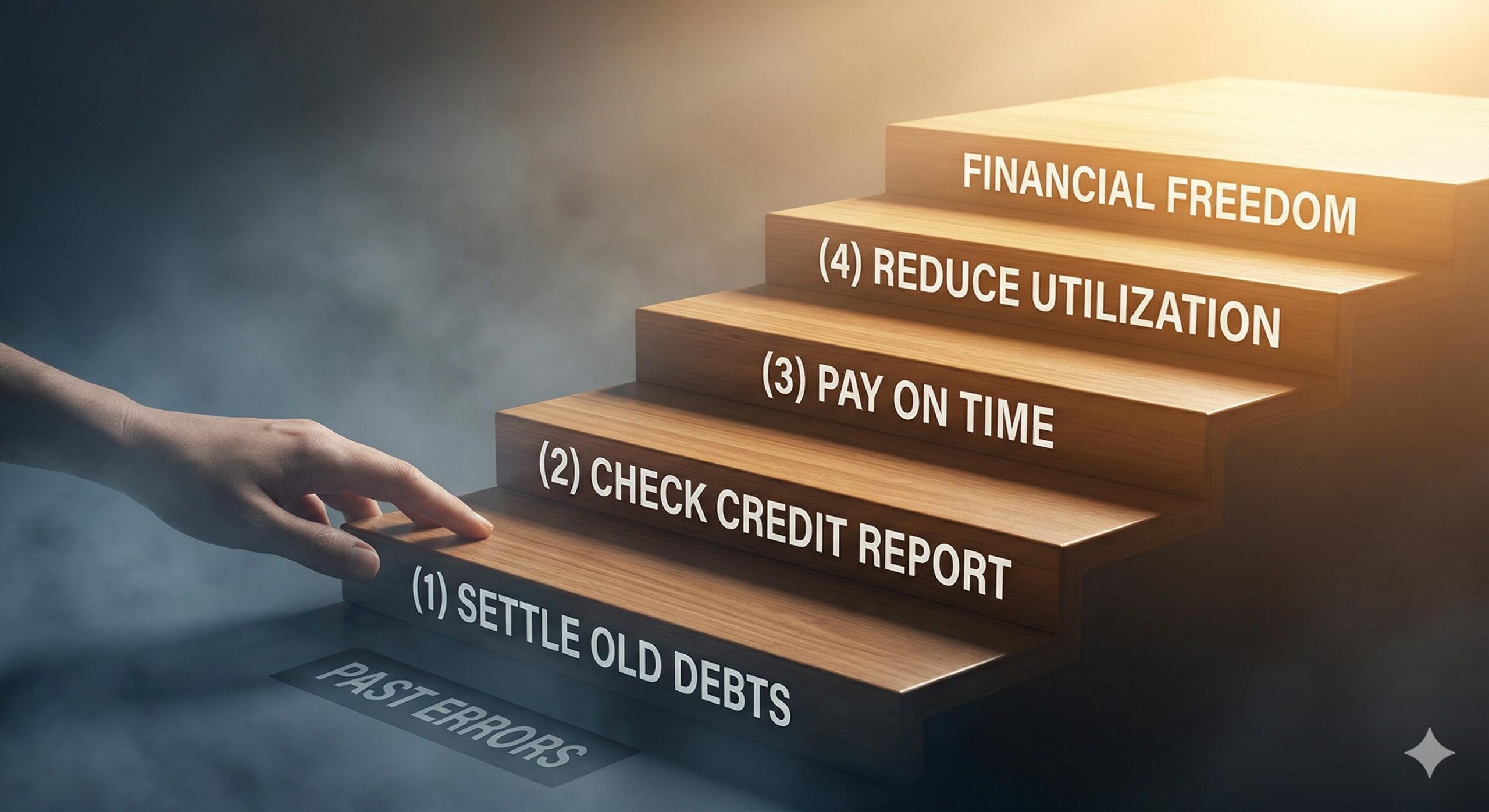
- Prioritize Repair: Instead of looking for more debt, focus on settling small old debts to clear your record.
- Avoid Loan Sharks: Only borrow from lenders who are registered with your national credit regulator.
- Budget First: Never take a loan where the monthly payment exceeds 20% of your take-home pay.
Conclusion
Finding loans for blacklisted individuals is a challenging task that requires a deep understanding of the costs involved. While these loans provide a temporary lifeline for those facing financial emergencies, they are not a long-term solution to financial instability. The high interest rates and fees associated with high-risk lending can easily lead to a cycle of debt if not managed with extreme discipline.
At loanrejectionhelp.com, we encourage you to view these loans as a last resort. Your primary focus should always be on credit repair and financial literacy. By paying off small debts, correcting errors on your credit report, and maintaining a stable income, you can eventually move away from “blacklisted” status and regain access to affordable, low-interest financial products. Remember: a poor credit score is a temporary hurdle, not a life sentence.

Hello pals!
I came across a 169 useful tool that I think you should explore.
This resource is packed with a lot of useful information that you might find valuable.
It has everything you could possibly need, so be sure to give it a visit!
https://www.australiaunwrapped.com/discover-four-australian-movies-from-the-1950s/
Additionally don’t neglect, everyone, — one constantly are able to within this article discover responses to address the most the absolute confusing queries. The authors attempted to present the complete data via the extremely accessible method.