
Introduction
When you search for BNZ home loan rates, you are looking for the exact percentage of interest the Bank of New Zealand (BNZ) charges borrowers to finance a property purchase or refinance an existing mortgage. Borrowers frequently search for this term to accurately calculate their potential monthly or fortnightly mortgage repayments, compare BNZ’s pricing against competing banks, and determine if buying a house is realistic for their current budget. The actual interest rate you are offered is affected by several moving parts, including the broader economic environment (like the Official Cash Rate), your personal Loan-to-Value Ratio (LVR), the type of loan structure you choose, and your overall credit history.
Securing a mortgage can feel overwhelming, whether you are a first-time borrower trying to get on the property ladder, a salaried individual looking to upgrade, or a self-employed professional seeking funding. Navigating the world of home loans requires more than just glancing at advertised percentages; it requires a deep understanding of how lenders evaluate risk.

In this comprehensive guide, we will break down exactly how these interest rates function, what specific factors influence the rate you will be offered, and how to proactively position your application to avoid the frustration of a loan rejection.
Educational Disclaimer: The information provided on loanrejectionhelp.com is for educational and informational purposes only. We are not financial advisors, and this article does not constitute professional financial advice. Interest rates, loan approval criteria, and banking policies are subject to change. Always consult with a qualified financial professional or mortgage broker before making major financial decisions.
Table of Contents
1. How BNZ Home Loan Rates Work
To fully grasp the true cost of your borrowing, you need to understand the different types of interest rates and loan structures offered by major lenders. Banks typically divide their rates into two main categories: Fixed and Floating (variable).
Fixed Interest Rates
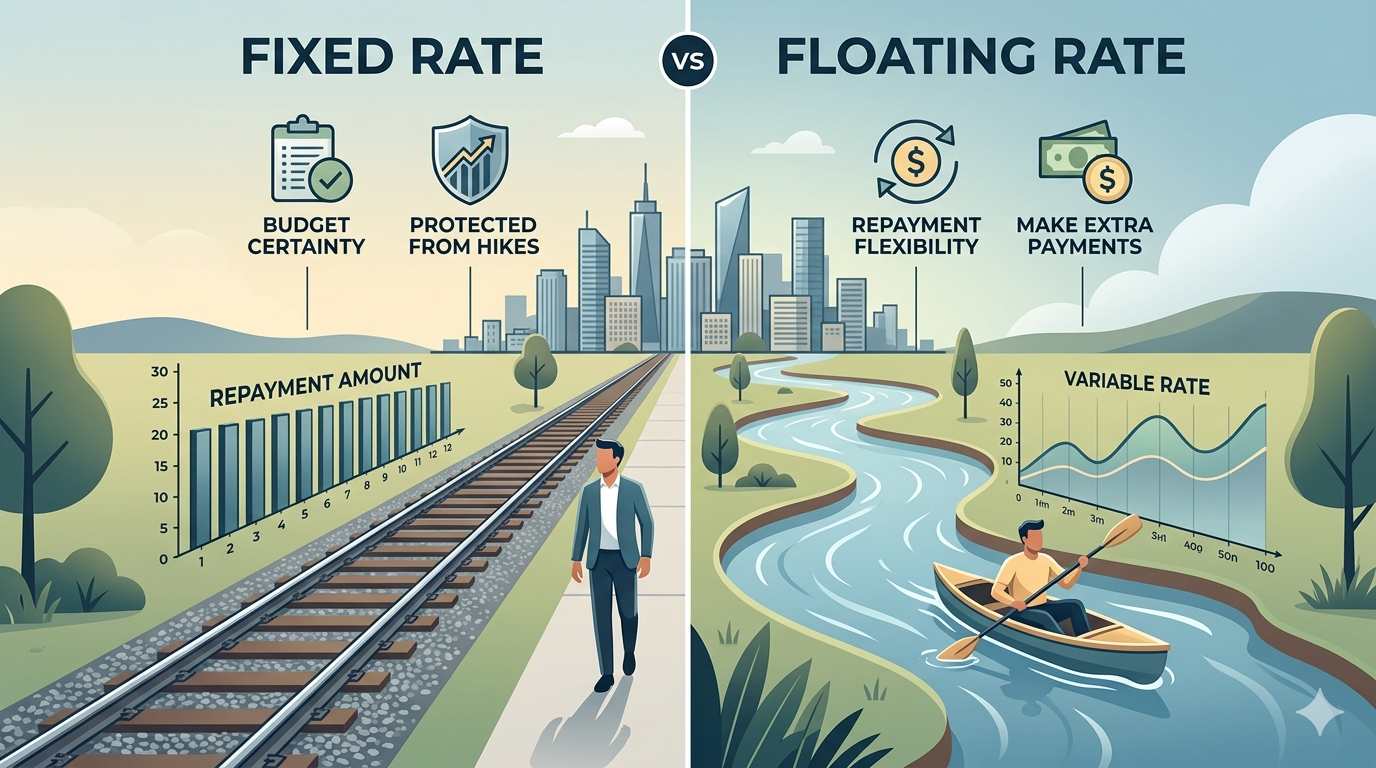
A fixed interest rate locks your repayment amount in place for a specified period, usually ranging from six months to five years.
- The Benefit: Borrowers choose this option because it provides absolute budget certainty. You know exactly what your repayments will be over the fixed term, which protects you from sudden interest rate hikes in the broader economy.
- The Drawback: If general market interest rates fall, you will still be required to pay your higher, locked-in rate until the term expires. Additionally, if you want to pay off a large lump sum or break the fixed term early, you may be hit with expensive early repayment charges (break fees).
Floating (Variable) Interest Rates
A floating interest rate fluctuates based on the broader economic environment and the bank’s internal funding costs.
- The Benefit: Borrowers choose floating rates for maximum flexibility. You can usually make unlimited extra lump-sum repayments without financial penalty, which is an excellent strategy for paying off your principal loan faster. Many lenders also offer “offset” features (like BNZ’s TotalMoney), which link your everyday savings accounts to your mortgage to reduce the total interest charged.
- The Drawback: Your required repayment amount can go up or down at any time, making it much harder to budget strictly. Floating rates are also generally higher than fixed rates.
| Feature | Fixed Rate | Floating Rate |
| Repayment Amount | Stays exactly the same for the term | Can change at any time |
| Flexibility | Low (strict limits on extra repayments) | High (unlimited extra repayments allowed) |
| Market Risk | Protected against rate increases | Vulnerable to immediate rate increases |
2. Factors That Affect the Rate You Are Offered
Seeing a highly competitive advertised rate on a bank’s website does not guarantee you will actually receive that figure. Your final BNZ home loan rates are strictly determined by your personal financial profile and the perceived risk of lending to you.
The Loan-to-Value Ratio (LVR)
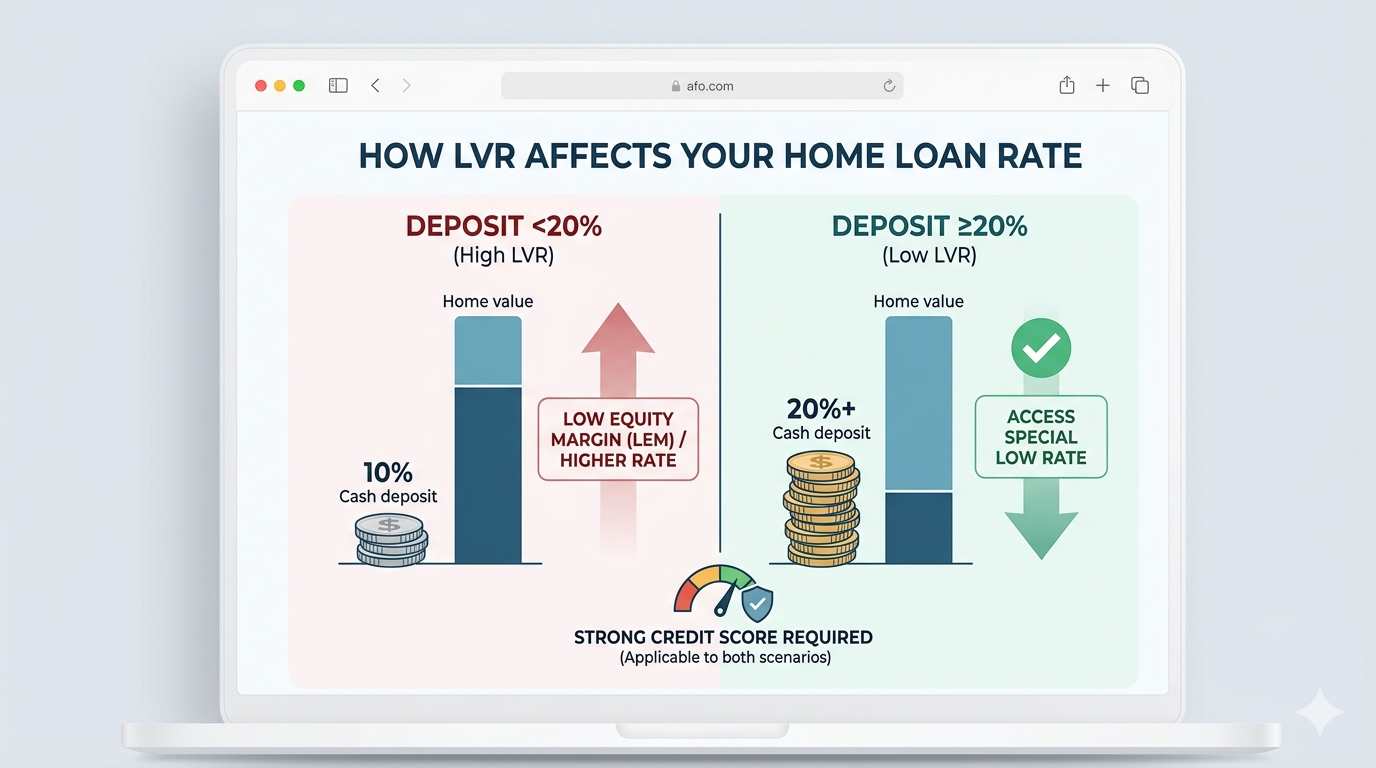
The LVR is the size of your loan compared to the total value of the property you are buying. Lenders reserve their absolute best, lowest “special” rates for borrowers who have a deposit of 20% or more (an LVR of 80% or less). If you have less than a 20% deposit, you are legally and financially considered a higher-risk borrower. Consequently, the bank will likely charge a higher standard interest rate or add a Low Equity Premium (LEP) or margin to your loan to cover their increased risk.
Your Credit Health
While the primary focus of a mortgage application is your income and deposit, your credit score plays a fundamental role. A poor credit history—characterized by late payments, defaults, or excessive credit inquiries—signals to the bank that you have a history of financial instability. This can easily lead to loan rejection or force you to use non-bank, second-tier lenders who charge significantly higher interest rates.
The Bank’s “Stress Test” Rate
This is a critical financial concept that many first-time borrowers fail to anticipate. When assessing your application, the bank will not calculate your maximum affordability based on the current advertised rate. Instead, they use a internal “stress test” rate (sometimes called an assessment rate), which is usually a few percentage points higher than the market rate. This ensures that if interest rates rise sharply in the future, you will still comfortably afford your repayments without defaulting.
3. Why Mortgage Applications Get Rejected
At loanrejectionhelp.com, we see many applicants get surprised when their home loan is declined, even if they successfully calculated that they could afford the advertised BNZ home loan rates. Here are the most common reasons for rejection:
- Failing the Affordability Assessment: Because banks test your income against their higher stress-test rate rather than the advertised rate, your actual monthly disposable income might fall short of their strict lending criteria.
- High Debt-to-Income (DTI) Ratio: If your total existing debt (including credit cards, car loans, personal loans, and student loans) is too high compared to your gross income, the bank will reject the application. They do this to prevent you from becoming over-indebted.
- Unstable Employment History: Self-employed professionals without at least two full years of solid, accountant-verified financial records, or salaried workers still in their probationary periods, are often viewed as high-risk and face higher rejection rates.
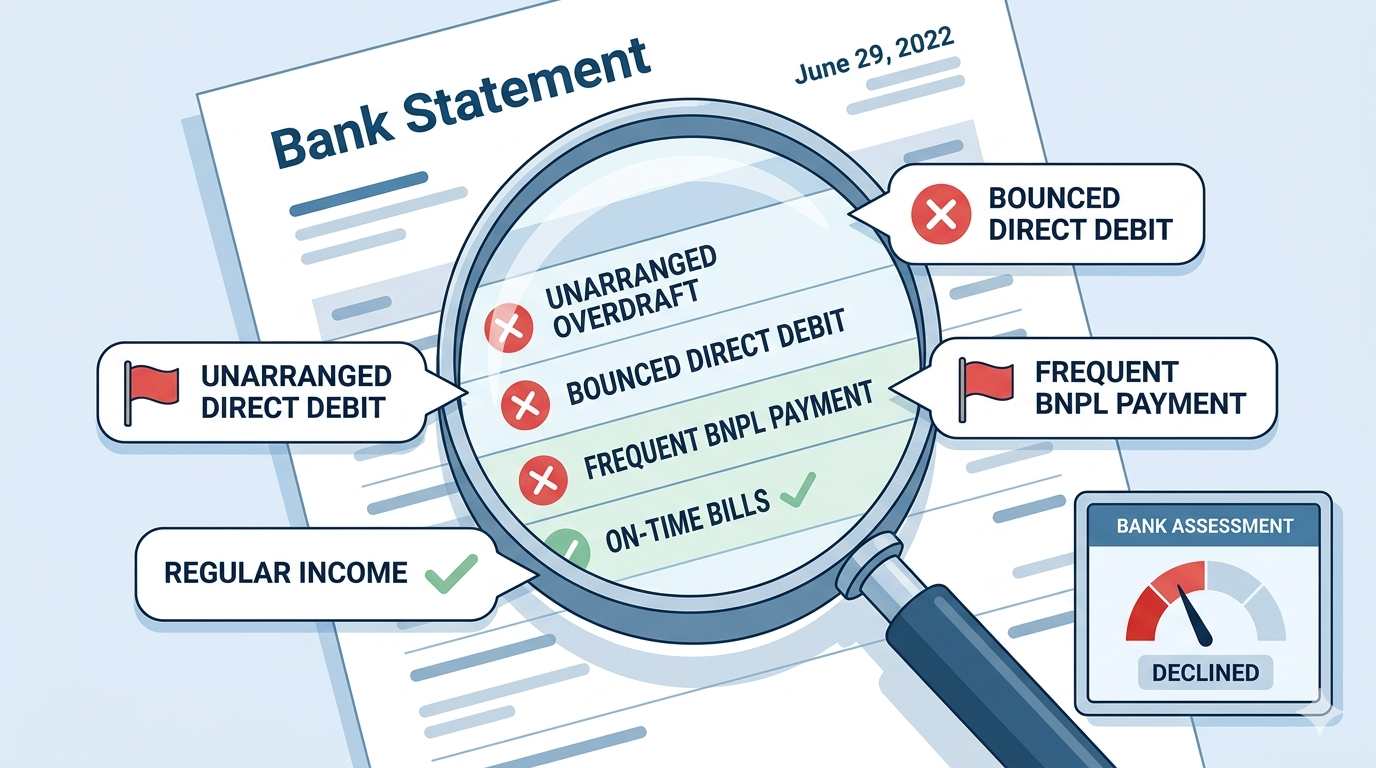
- Poor Account Conduct: Lenders closely analyze your daily spending. Unarranged overdrafts, bounced direct debits, or frequent use of “Buy Now, Pay Later” (BNPL) services in the months leading up to your application can cause a lender to decline your request entirely.
4. How to Improve Your Approval Chances

If you want to secure a mortgage at a highly competitive interest rate, you need to present the strongest possible application to the lender.
- Clean Up Your Bank Statements: Banks will scrutinize your last three to six months of transaction history. Ensure you pay all bills on time, absolutely avoid late fees, and significantly reduce discretionary spending (like excessive dining out, expensive hobbies, or gambling) to demonstrate strong financial discipline.
- Reduce Existing Debt: Before applying for a home loan, aggressively clear high-interest debts like credit cards or personal loans. If you have a credit card with a large limit, consider reducing the limit or canceling the card entirely. Banks factor in the total available limit of your credit card as potential debt, not just your current balance.
- Aim for a 20% Deposit: To avoid costly low-equity margins and access the most competitive rates, aggressively save toward a 20% deposit. If you are struggling to reach this threshold, look into first-home buyer assistance programs, retirement fund withdrawals, or investigate if a family member is willing to act as a guarantor.
5. Frequently Asked Questions (FAQs)
Q: What is the difference between “Standard” and “Special” home loan rates?
A: “Special” rates are discounted interest rates offered to borrowers who meet strict criteria, most notably having at least a 20% deposit (80% LVR or lower) and having their main income credited to an account with that bank. “Standard” rates are higher and generally apply to borrowers who have a smaller deposit or do not meet the bank’s specific criteria for the special discount.
Q: Can I negotiate my BNZ home loan rate?
A: Yes, in many cases, interest rates are negotiable. If you have a strong financial profile, an excellent credit score, and a healthy deposit, you can often ask the bank to match a lower rate offered by a competitor. Using a mortgage broker can also help you negotiate better terms.
Q: What happens when my fixed-rate term expires?
A: When your fixed term ends, your loan will automatically roll over onto the bank’s standard floating (variable) rate unless you take action. It is highly recommended to review your options 30 to 60 days before your term expires so you can choose to re-fix at a new, competitive rate that suits your current goals.
Q: Will bad credit guarantee a loan rejection?
A: Not always, but it makes approval significantly harder at major traditional banks. If you have a few minor late payments from years ago, you may still be approved if your current income and deposit are incredibly strong. However, recent defaults or bankruptcies will likely result in a rejection from top-tier banks, requiring you to spend time rebuilding your credit score before applying.
Understanding ASB Mortgage Rates: A Comprehensive Guide for Borrowers
Conclusion
Understanding BNZ home loan rates goes far beyond simply looking at a percentage on a screen. It requires a solid grasp of how fixed and floating rates impact your daily cash flow, how the bank assesses your risk through LVR and strict stress testing, and why long-term financial discipline is crucial for approval.
By proactively improving your credit score, reducing your existing consumer debt, and saving a healthy 20% deposit, you not only drastically reduce your chances of experiencing a loan rejection, but you also position yourself to negotiate and secure the most favorable interest rate possible. Remember, responsible borrowing means always leaving a buffer in your monthly budget to account for life’s unexpected expenses and future interest rate fluctuations.