Introduction
When prospective buyers search for the best car loans, they are fundamentally looking for auto financing options that feature the lowest possible Annual Percentage Rate (APR), favorable repayment terms, and a lack of hidden fees. Borrowers actively search for these top-tier lending products because securing a highly competitive interest rate can save them thousands of dollars over the life of the vehicle, keeping their monthly payments affordable and preventing long-term financial strain. However, securing these premier rates is not guaranteed; a borrower’s ability to qualify is heavily affected by their credit score, debt-to-income (DTI) ratio, steady employment history, and the size of their initial down payment.
Understanding the precise financial mechanics behind auto financing is the critical first step toward a successful vehicle purchase. Far too often, eager buyers focus solely on the monthly payment size instead of the underlying interest rate, inadvertently trapping themselves in expensive, depreciating debt.

This comprehensive guide breaks down exactly how the interest rates on car loans work, what risk factors lenders evaluate, and how you can position your financial profile to get approved for the most favorable terms while avoiding the sting of loan rejection.
Educational Disclaimer: The information provided on LoanRejectionHelp.com is for educational and informational purposes only. It does not constitute professional financial advice. We do not guarantee loan approvals or specific interest rates. All lending decisions depend on individual lender policies and your personal credit profile. Always practice responsible borrowing and carefully read loan agreements before signing.
Table of Contents
The Financial Mechanics Behind the Best Car Loans
To truly identify the best car loans, you must understand that a loan is a financial product with specific costs and conditions. The most important elements dictate how much the loan will ultimately cost you.
1. Annual Percentage Rate (APR)
The APR is the most critical factor in any auto loan. While the basic “interest rate” is simply the cost of borrowing the principal amount, the APR provides a broader, more accurate picture because it includes both the base interest rate and any mandatory lender fees (such as origination or processing fees). The best car loans feature low APRs, meaning less of your money goes toward the lender’s profit and more goes directly toward paying off the vehicle.
2. The Loan Term
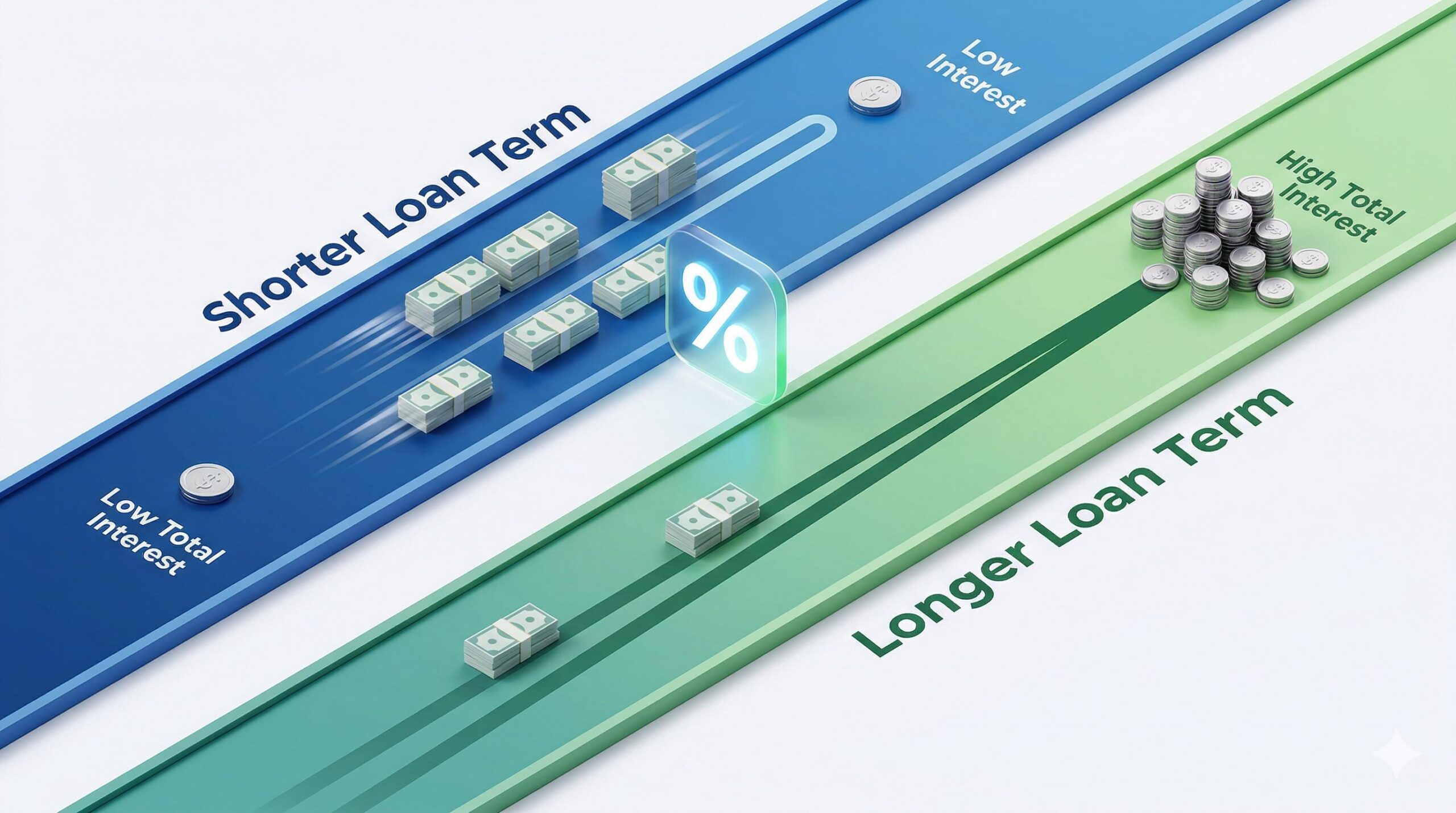
The loan term is the duration you have to repay the borrowed money, usually expressed in months (e.g., 36, 48, 60, or 72 months).
- Shorter Terms (36–48 months): These options generally unlock the absolute best car loans in terms of interest rates. Your monthly payment will be higher, but you will pay significantly less interest overall.
- Longer Terms (60–84 months): These extend the loan to lower your monthly payment. However, lenders typically charge higher interest rates for longer terms because the extended timeline carries more risk for them.
3. Simple Interest vs. Precomputed Interest
Top-tier car loans almost always utilize simple interest. With simple interest, your finance charges are calculated based on your daily principal balance. If you pay extra each month, you reduce the principal faster and pay less total interest. Precomputed interest, on the other hand, locks in the total interest amount from day one, meaning you save absolutely nothing by paying the loan off early.
The Direct Link Between Credit Scores and Loan Rates
Lenders are primarily in the business of managing risk. When you apply for financing, the lender uses your credit score as a mathematical prediction of how likely you are to repay the debt.
- Super Prime and Prime Borrowers (Excellent to Good Credit): Individuals in these categories are offered the best car loans. Lenders view them as low-risk borrowers, rewarding them with single-digit APRs and highly flexible terms.
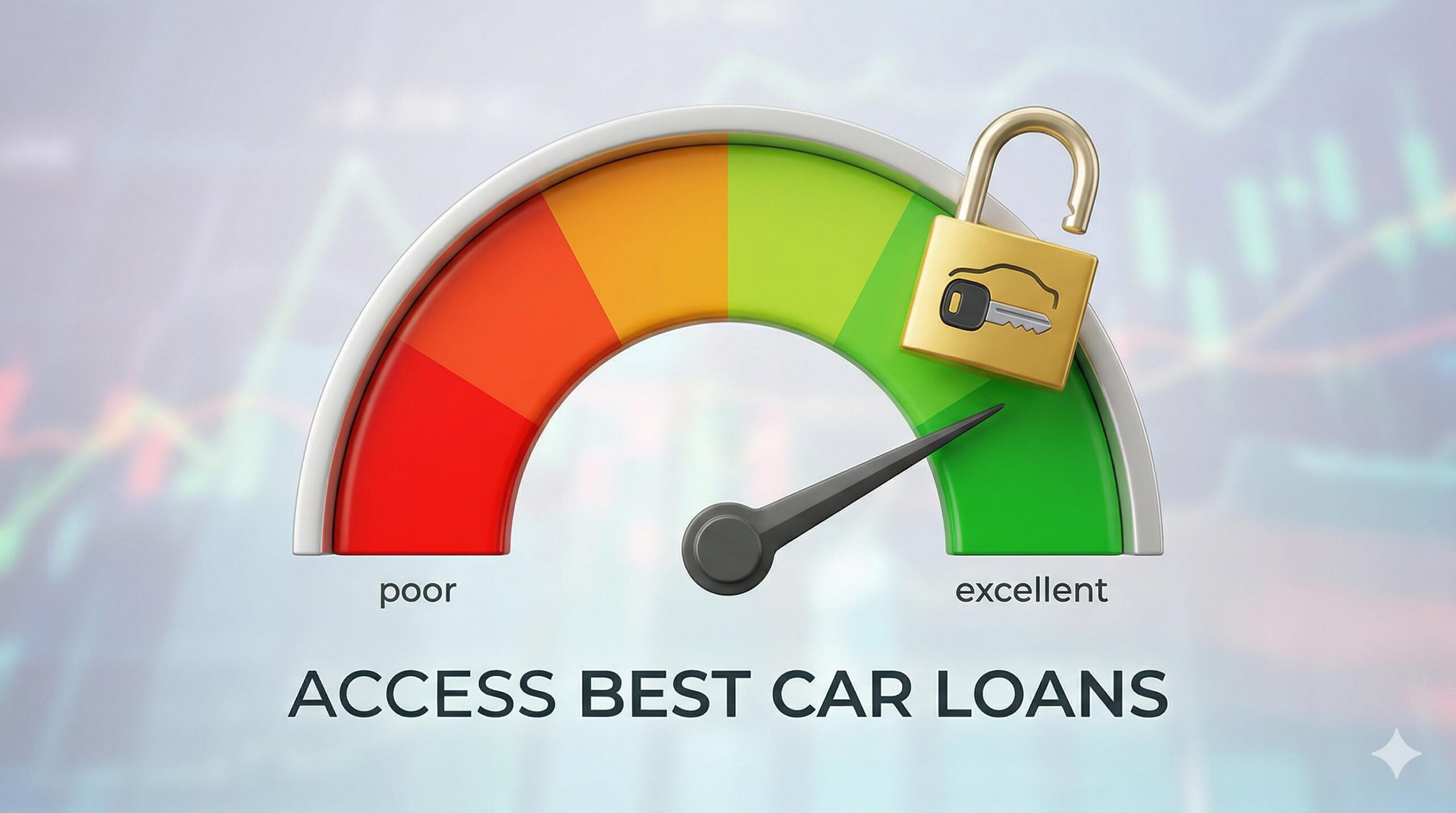
- Near Prime and Subprime Borrowers (Fair to Poor Credit): Borrowers with lower scores will face notably higher interest rates. Lenders charge these higher rates as a protective measure to offset the statistical risk of loan default.
Your credit file acts as your financial resume. A history of on-time payments, low credit card balances, and a healthy mix of credit types signals to lenders that you are a safe investment, directly unlocking access to premium financing options.
Why Do Applications for the Best Car Loans Get Rejected?
At LoanRejectionHelp.com, we frequently see applicants confused as to why they were denied favorable rates or rejected for financing entirely. Even if you have a decent credit score, several other factors can trigger a loan rejection:
1. High Debt-to-Income (DTI) Ratio
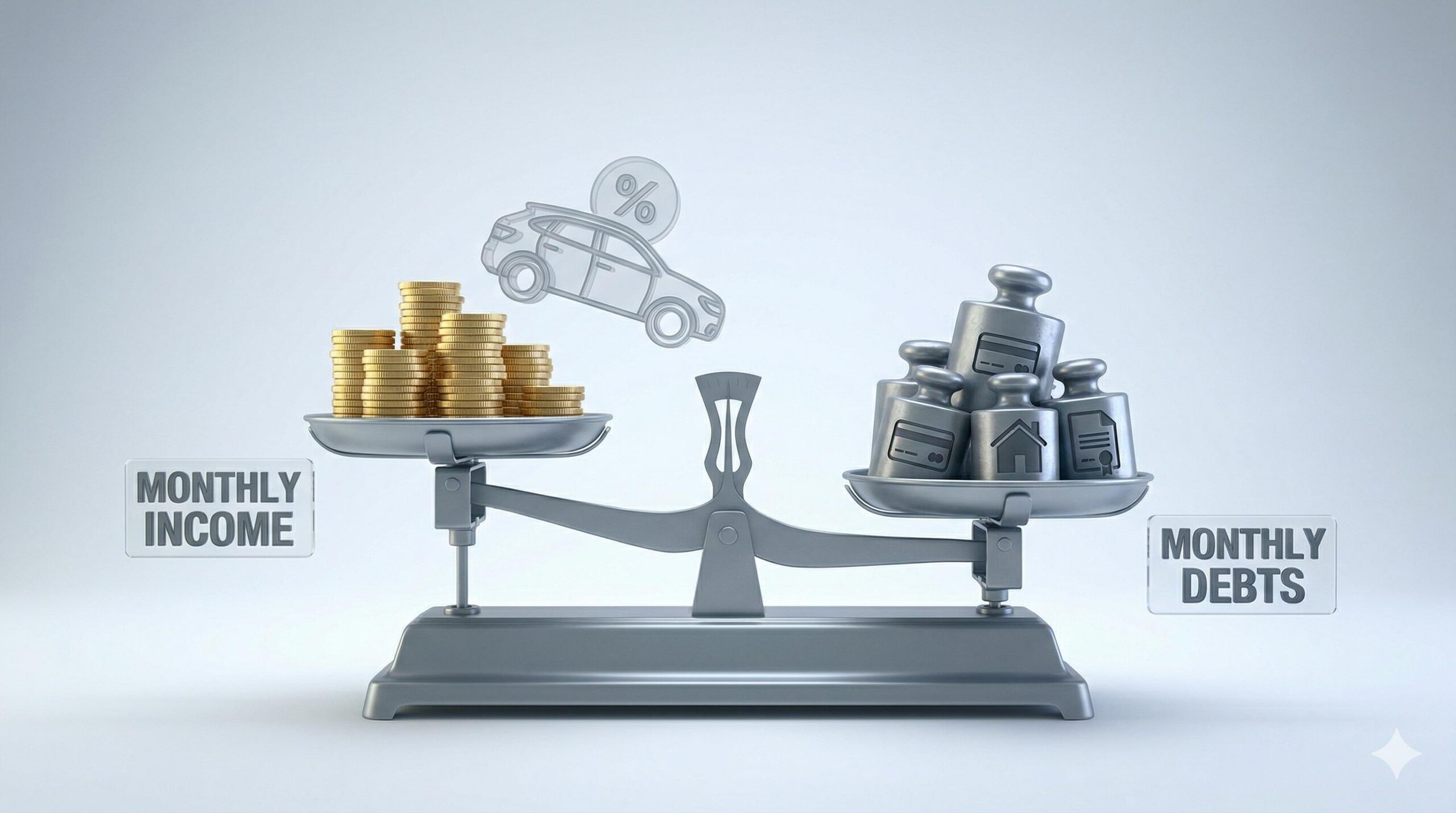
Your DTI compares your gross monthly income to your monthly debt payments. If you earn $4,000 a month and your current debts (rent, credit cards, student loans) total $2,000, your DTI is 50%. Most lenders prefer a DTI below 36% to 40%. If an auto loan pushes your DTI too high, the lender will reject the application because they fear you will be mathematically unable to afford the new payment.
2. Thin Credit Files
A “thin file” means you do not have enough credit history for the lender to evaluate your habits. First-time borrowers often face rejection for the best car loans not because they have a history of bad credit, but because they have no credit history at all.
3. Vehicle Restrictions
Sometimes, the rejection has nothing to do with the borrower and everything to do with the car. The best car loans are typically reserved for new or slightly used vehicles. If you try to finance a 15-year-old car with 150,000 miles, banks may reject the loan because the collateral (the car itself) is not valuable enough to secure the debt in the event of repossession.
Actionable Steps to Improve Your Approval Odds
If you want to transition from potential rejection to securing the best auto financing available, you need to proactively manage your financial profile before ever stepping foot in a dealership.
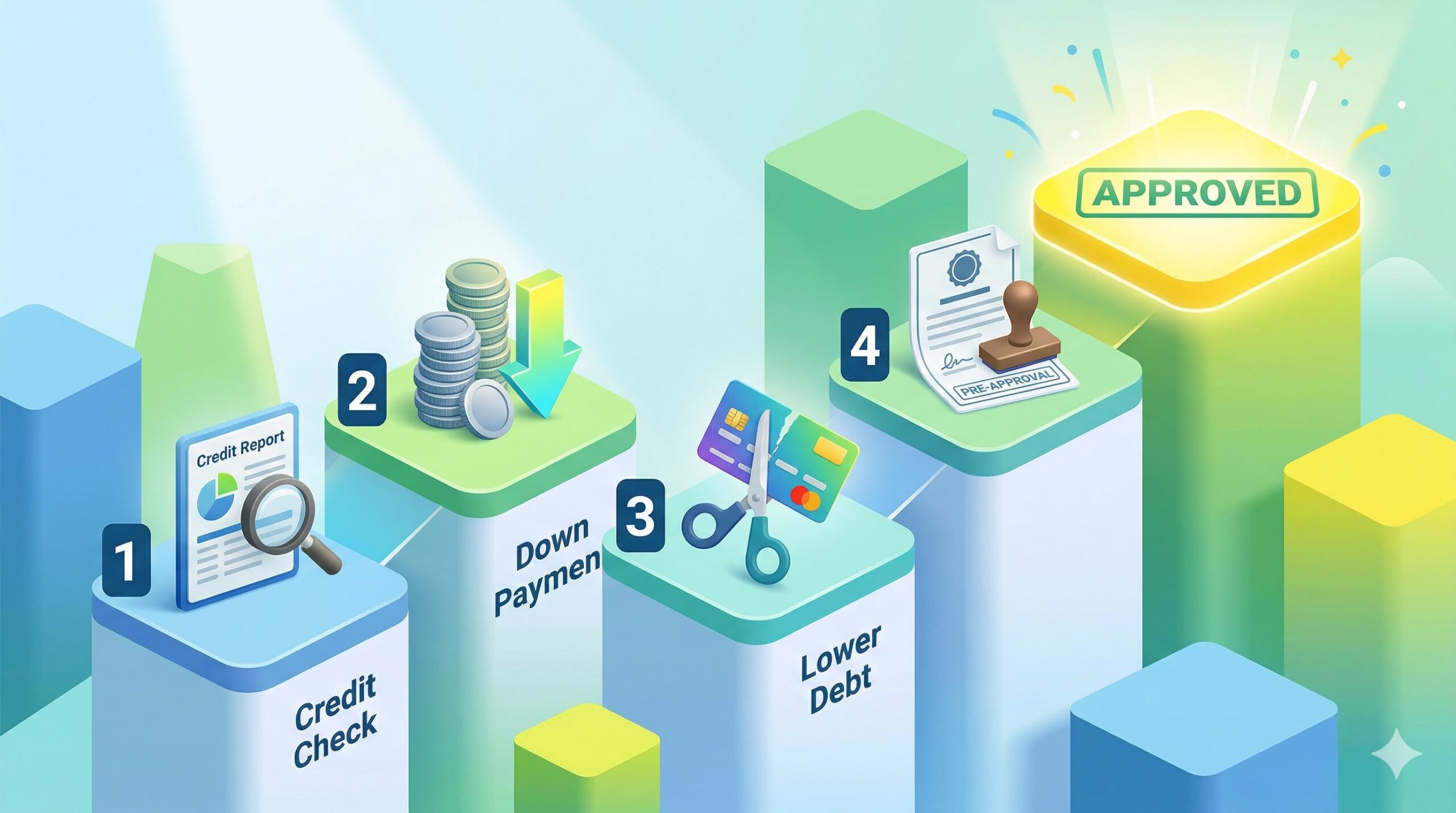
- Check and Correct Your Credit Report: Months before you apply, pull your credit reports. Look for errors, such as accounts that do not belong to you or incorrect late payment marks. Disputing and removing these errors can provide an instant boost to your score.
- Save for a Substantial Down Payment: A large down payment (ideally 10% to 20% of the car’s purchase price) reduces the total amount you need to borrow and lowers your monthly payment. It also demonstrates financial stability to the lender, which can convince them to offer a better interest rate or approve a borderline application.
- Lower Your Existing Debt: Pay down revolving credit card balances. This improves your credit utilization ratio (a major component of your credit score) and lowers your DTI ratio, making you a much more attractive candidate.
- Seek Pre-Approval: Never rely solely on dealership financing. Go to your local credit union, bank, or a reputable online lender to get pre-approved. A pre-approval gives you a firm interest rate and transforms you into a cash buyer at the dealership, allowing you to focus purely on negotiating the vehicle’s price.
A Complete Guide to Understanding Car Title Loans Near Me & Approval Factors
Frequently Asked Questions (FAQs) About Car Loans
1. What exactly is an APR on a car loan?
APR stands for Annual Percentage Rate. It represents the true annual cost of borrowing money, encompassing not just the base interest rate, but also any mandatory fees charged by the lender (such as origination or processing fees). Comparing APRs is the most accurate way to evaluate different loan offers side-by-side.
2. Does applying for multiple car loans hurt my credit score?
When a lender checks your credit to approve a loan, it registers as a “hard inquiry,” which can temporarily lower your score by a few points. However, most credit scoring models are smart enough to group multiple auto loan inquiries made within a short window (typically 14 to 45 days) as a single inquiry. This allows you to rate-shop with different lenders without severely damaging your credit profile.
3. Can I get a car loan with bad credit?
Yes, securing an auto loan with a poor credit history is possible, usually through subprime lenders. However, these loans come with significantly higher interest rates to offset the lender’s risk. If possible, it is financially wiser to spend a few months repairing your credit and saving a larger down payment before applying.
4. What is the ideal length for an auto loan?
While lenders frequently offer loan terms up to 72 or 84 months, the most financially sound choice is typically 36 to 60 months. Longer loan terms lower your monthly payment, but they drastically increase the total amount of interest you pay over time. They also increase the risk of negative equity—owing more on the loan than the car is currently worth.
5. Should I get financing from the dealership or my bank?
It is almost always best to seek pre-approval from a bank or credit union before visiting a dealership. Dealerships often act as middlemen and may secretly mark up the interest rate provided by the lender to make a profit. Having an outside pre-approval gives you leverage to negotiate the best possible terms.
Conclusion
Finding and qualifying for the best car loans requires patience, financial literacy, and proactive preparation. By prioritizing a deep understanding of how APRs and loan terms dictate your total financial costs, you empower yourself to see past a dealership’s monthly payment sales pitch. Remember to actively manage your credit score, maintain a healthy debt-to-income ratio, and recognize the specific red flags that lead lenders to reject applications. A vehicle is a major, rapidly depreciating financial commitment. Take the time to compare offers, carefully read the fine print, and prioritize your long-term financial stability over the temporary excitement of a new car.