

Introduction
When preparing to apply for a personal or home loan, the most important website you will visit is cibil com. Simply put, this is the official online portal for TransUnion CIBIL, India’s primary credit information bureau, where you can securely check your three-digit credit score and download your detailed credit report. Borrowers frequently search for this platform because viewing their credit profile in advance is the critical first step to determining loan eligibility and preventing the frustration of an unexpected loan rejection. The score you see on this portal is directly affected by your daily financial habits, primarily your EMI repayment history, your credit card balances (utilization), and your mix of secured and unsecured loans.

If you want to understand why banks approve or reject loan applications, you must first understand how to navigate and interpret the data provided on this platform. In this comprehensive guide, we will explore exactly how this system works, what factors drag your score down, and how you can use this knowledge to practice responsible borrowing and become a highly attractive applicant to any bank.
Disclaimer: The information provided in this article is strictly for educational purposes and financial literacy. We do not provide professional financial advice, guarantee loan approvals, or promise specific interest rates. Always practice responsible borrowing, read the terms and conditions of any credit product carefully, and consult with a certified financial advisor before making major credit decisions.
Table of Contents
What is CIBIL Com and How Does the Bureau Work?
TransUnion CIBIL (Credit Information Bureau India Limited) does not lend money. Instead, it acts as a massive, secure financial library. Banks, non-banking financial companies (NBFCs), and credit card issuers send your monthly repayment data to this bureau.
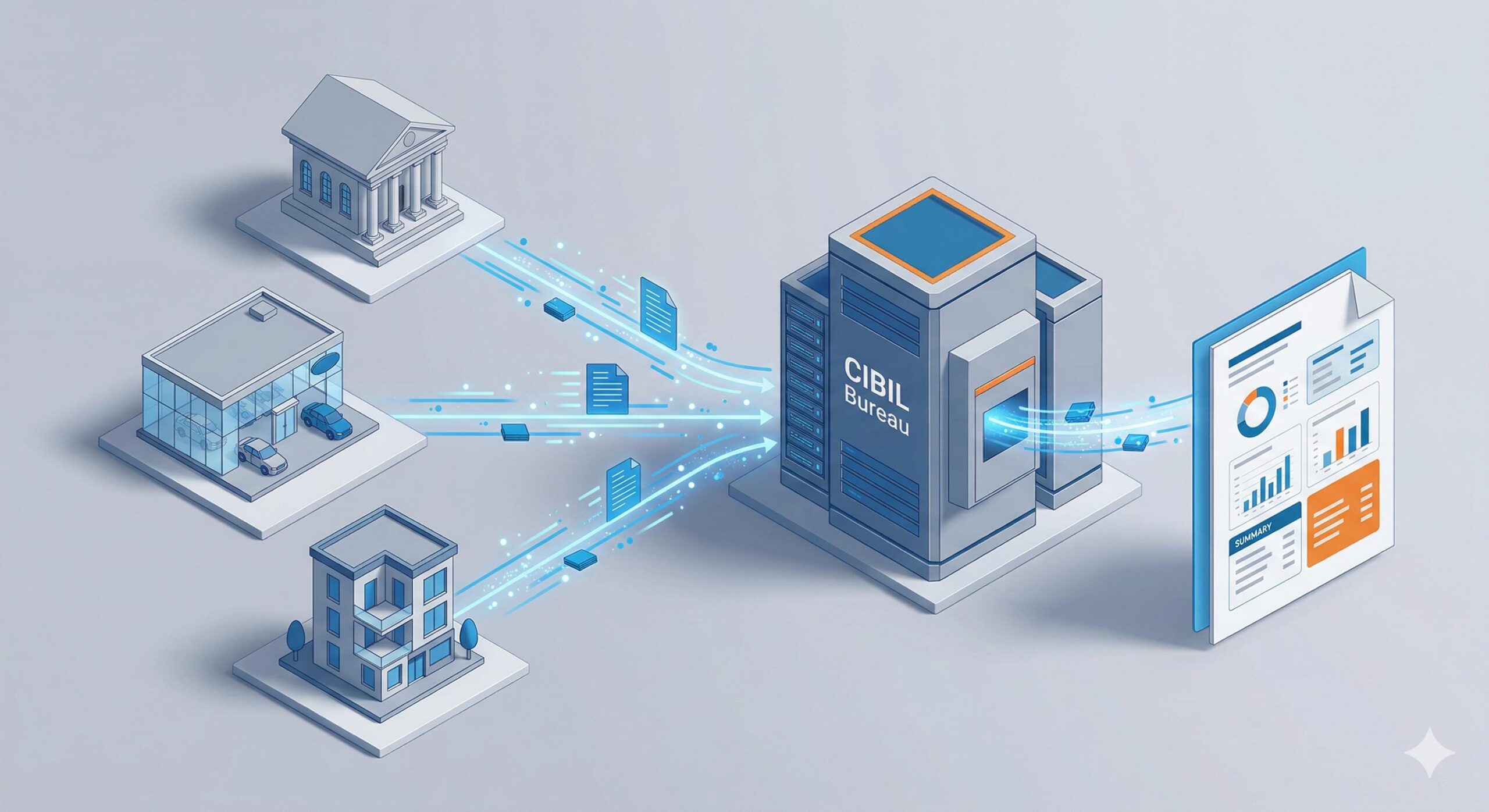
The algorithms at cibil com then compile this data into a comprehensive Credit Information Report (CIR) and generate your credit score.
When you apply for a loan, the very first thing a lender does is request your CIR from the bureau. They use this report to gauge your “creditworthiness”—which is a professional term for how likely you are to repay borrowed money on time.
If your score is high (typically 750 or above), lenders view you as a low-risk borrower. This often translates to faster loan approvals, higher loan amounts, and most importantly, lower interest rates. Conversely, a low score acts as a massive red flag, leading to immediate loan rejection or approvals with painfully high interest rates.
What Actually Affects the Score You See on CIBIL Com?
To avoid loan rejection, you must understand the mathematical factors that dictate the three-digit number on your dashboard. The algorithm evaluates several key areas of your financial life:
1. Repayment History (30% – 35% Impact)

This is the single most critical factor affecting your score. Every time you pay a credit card bill or loan EMI, it is recorded. A consistent history of on-time payments pushes your score higher. However, missing a payment by even a few days, defaulting on a loan, or settling a debt for less than the owed amount will severely damage your score and remain on your report for up to seven years.
2. Credit Utilization Ratio (25% – 30% Impact)
Your Credit Utilization Ratio (CUR) measures how much of your available credit card limit you are actually using. For example, if your credit card has a limit of ₹1,00,000 and your outstanding balance is ₹80,000, your CUR is 80%. Lenders view high utilization as a sign of financial stress and “credit hunger.” Financial experts recommend keeping your CUR below 30% to maintain a healthy profile on cibil com.

3. Credit Mix and Duration (15% – 20% Impact)
Lenders like to see that you can handle different types of debt responsibly. A healthy profile contains a mix of secured loans (like a home or auto loan, backed by collateral) and unsecured loans (like personal loans or credit cards). Additionally, the age of your credit history matters. Older credit accounts with flawless payment histories significantly boost your score, which is why you should think twice before closing your oldest credit card.
4. Hard Inquiries (10% – 15% Impact)
Whenever you apply for a new loan or credit card, the bank pulls your official report from the bureau. This is known as a “hard inquiry,” and it temporarily dips your score by a few points. If you apply for multiple loans across different banks within a short period, it generates multiple hard inquiries. Lenders view this as desperate financial behavior, which often triggers automatic loan rejections.
Using CIBIL Com to Prevent Loan Rejection
Many borrowers only visit cibil com after their loan application has been rejected. At LoanRejectionHelp.com, we advocate for a proactive approach. By understanding your report before you apply, you take control of your financial destiny.
Here are the primary reasons loans are rejected based on credit reports, and how you can fix them:
Identifying and Disputing Errors
Sometimes, your loan is rejected not because of your mistakes, but because of administrative errors. Your report might show a delayed payment that you actually made on time, or worse, a loan account that doesn’t even belong to you (which could be a sign of identity theft).

- The Fix: You are entitled to one free credit report per year. Download it, review every single active and closed account, and look for discrepancies. If you spot an error, use the dispute resolution mechanism directly on the portal to have it corrected.
Healing from “Settled” Accounts
If you faced financial hardship in the past and the bank agreed to close your loan for a lesser amount, your report will show the account status as “Settled” rather than “Closed.” Lenders despise the word “Settled” because it means the previous bank took a loss on you.
- The Fix: It is incredibly difficult to get a new unsecured loan with a “Settled” status. You may need to approach the previous lender, pay the remaining deficit, and ask them for a No Objection Certificate (NOC) so the status can be updated to “Closed.”
Managing the Debt-to-Income (DTI) Ratio
You might log into cibil com, see a fantastic score of 800, apply for a loan, and still get rejected. Why? Because the bureau does not track your monthly salary. Lenders calculate your Debt-to-Income (DTI) ratio. If more than 40% to 50% of your monthly income is already going toward existing EMIs, banks will reject your new application, fearing you will not have enough money left to live comfortably and pay them back.
- The Fix: Pay down your existing debts to free up your monthly cash flow before applying for new credit.
Smart Money Habits for Future Borrowers
Building a strong financial profile is not a one-time event; it is a lifelong marathon of responsible borrowing. If your score is currently low, do not lose hope. Credit scores are dynamic and will improve as you implement better habits.
- Set Up Auto-Debits: Never rely on your memory to pay EMIs. Set up automatic bank mandates so your payments are always processed on time.
- Monitor Your CUR: Pay your credit card bills twice a month if necessary to ensure your utilization ratio stays well below the 30% mark.
- Borrow Only What You Need: Just because a bank offers you a pre-approved personal loan of ₹5,00,000 does not mean you should take it. Borrow strictly for planned, necessary expenses.
Secured Credit Card CIBIL Fix: Rebuild Your Financial Reputation Safely
Frequently Asked Questions (FAQs)
1. Is it completely free to check my score on cibil com? Yes. According to Reserve Bank of India (RBI) guidelines, every individual is entitled to one free, detailed Credit Information Report (CIR) every calendar year directly from the official cibil com website. You can also opt for paid subscription plans if you want to monitor your score monthly.
2. Will checking my own score on the portal cause it to drop? No, checking your own credit score is considered a “soft inquiry” and has absolutely zero impact on your score. Your score only drops when a bank or lender checks your report because you have formally applied for new credit (which is a “hard inquiry”).
3. What is considered a “safe” score on cibil com to avoid loan rejection? While every bank has its own internal policies, a score of 750 or above is universally considered excellent by most Indian lenders. Having a score in this range significantly reduces your chances of rejection and helps you negotiate better interest rates.
4. How long does it take for my score to update after I pay off a credit card or loan? When you clear a debt, your score does not increase overnight. Banks and NBFCs typically send updated data to the credit bureau once a month. Therefore, it usually takes between 30 to 45 days for your updated payment status to reflect on cibil com.
5. Can the bureau directly fix errors on my credit report? No, the credit bureau cannot change your data independently. However, if you spot a mistake (like a loan you never took), you can raise a dispute directly through the cibil com portal. The bureau will then contact the respective bank, and if the bank verifies the error, your report will be updated.
Conclusion
Navigating the world of credit can feel overwhelming, especially for first-time borrowers. However, platforms like cibil com exist to bring transparency to the financial system. By understanding exactly what this portal is, what mathematical factors influence the score it generates, and how lenders interpret that data, you empower yourself to make smarter financial decisions.

Remember, avoiding loan rejection starts long before you fill out an application. Check your report regularly to catch errors, keep your credit card balances low, and always pay your EMIs on time. By treating your credit score as your most valuable financial asset and practicing responsible borrowing, you will transform yourself from a high-risk applicant into a confident borrower, ready to secure the best loan approvals and lowest interest rates the market has to offer.





1 thought on “Understanding CIBIL Com: The Ultimate Guide to Your Credit Score and Loan Approvals”