
Introduction to Your Gold Loan Costs
When borrowers search for the HDFC gold loan interest rate, they are looking to understand the exact cost of borrowing funds against their pledged gold ornaments from HDFC Bank. People primarily search for this information to calculate their potential monthly installments (EMIs), compare HDFC’s pricing against other lenders, and determine if this secured loan fits within their financial budget.
While a gold loan is backed by physical collateral, the final interest rate you are offered is not a single fixed number; it is heavily affected by factors such as the purity of your gold, the total loan amount, your chosen repayment tenure, whether the loan is for agricultural or personal use, and your existing banking relationship with HDFC.

As a borrower, understanding how this interest rate is calculated is your first step toward responsible borrowing. In this comprehensive guide, we will break down how the HDFC gold loan interest rate works, what factors influence it, and how understanding these costs can help you avoid the pitfalls of loan rejection and financial stress.
Table of Contents
What is the HDFC Gold Loan Interest Rate?
A gold loan is a type of secured loan. You provide your gold jewelry to the bank as collateral, and in return, the bank lends you a percentage of the gold’s current market value. Because the loan is secured, the HDFC gold loan interest rate is generally lower than unsecured borrowing options, such as personal loans or credit cards.
The interest rate is the percentage of the principal loan amount that the bank charges you for the privilege of borrowing the money. HDFC Bank calculates this rate based on an annualized percentage. Depending on your profile and the loan scheme you choose, the interest rate can be structured in a few different ways:
- Fixed Interest Rate: The rate remains the same throughout the loan tenure, meaning your repayment amount will not fluctuate.
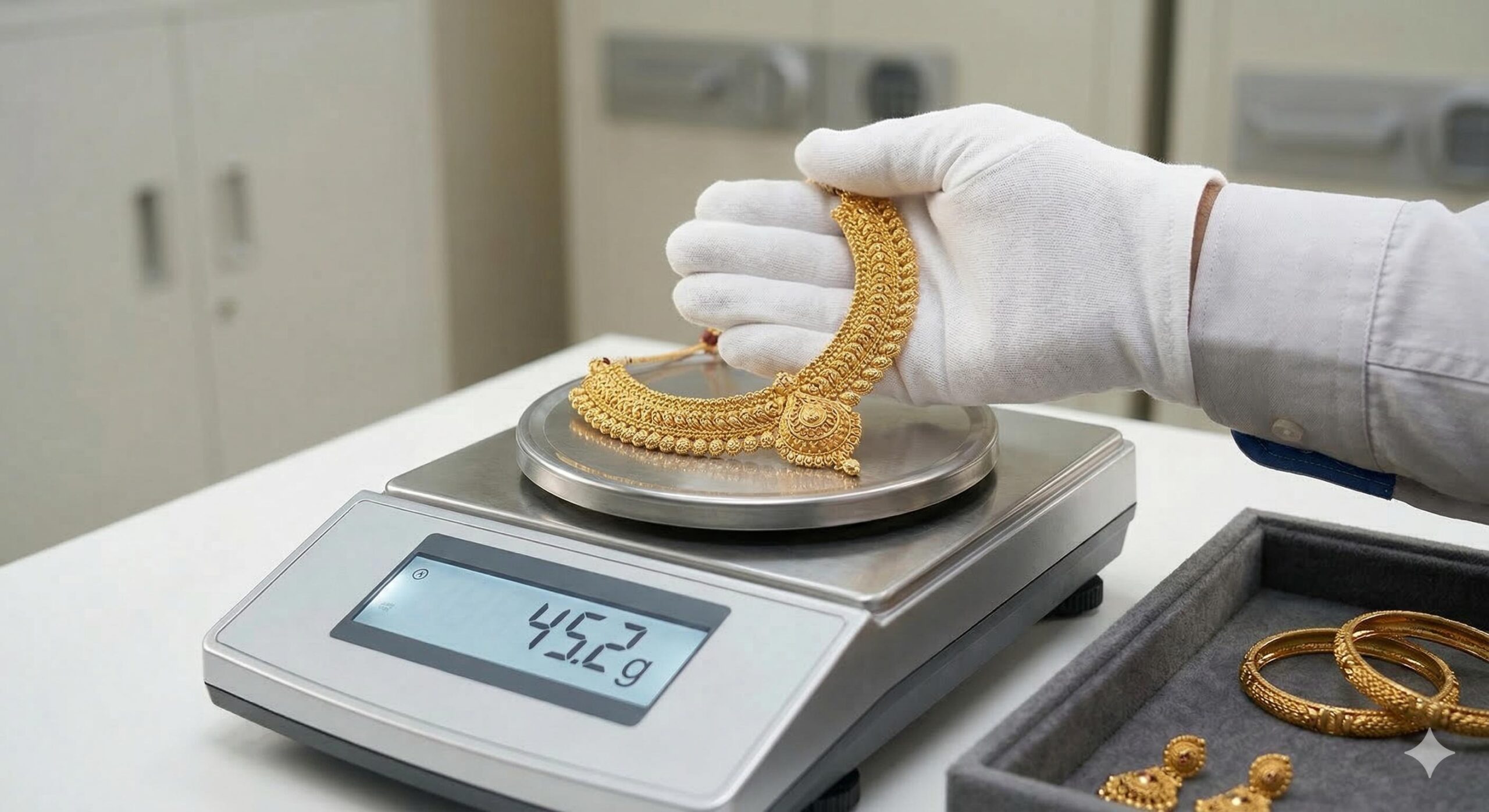
- Floating Interest Rate: The rate is linked to a benchmark (like the Repo Rate) and may change over time.
- Special Scheme Rates: HDFC offers specific, often subsidized, interest rates for farmers and individuals involved in agriculture, provided they can submit the necessary proof of agricultural activity.
Understanding the specific rate applied to your loan is crucial because it dictates your total repayment burden. A rate that is even a few percentage points higher can significantly increase the total amount you owe by the end of your loan tenure.
Key Factors That Affect Your Gold Loan Interest Rate
Banks do not offer a flat interest rate to every applicant. When you apply for a gold loan at HDFC, the reviewing officer will determine your final rate based on several critical factors:
1. Loan-to-Value (LTV) Ratio
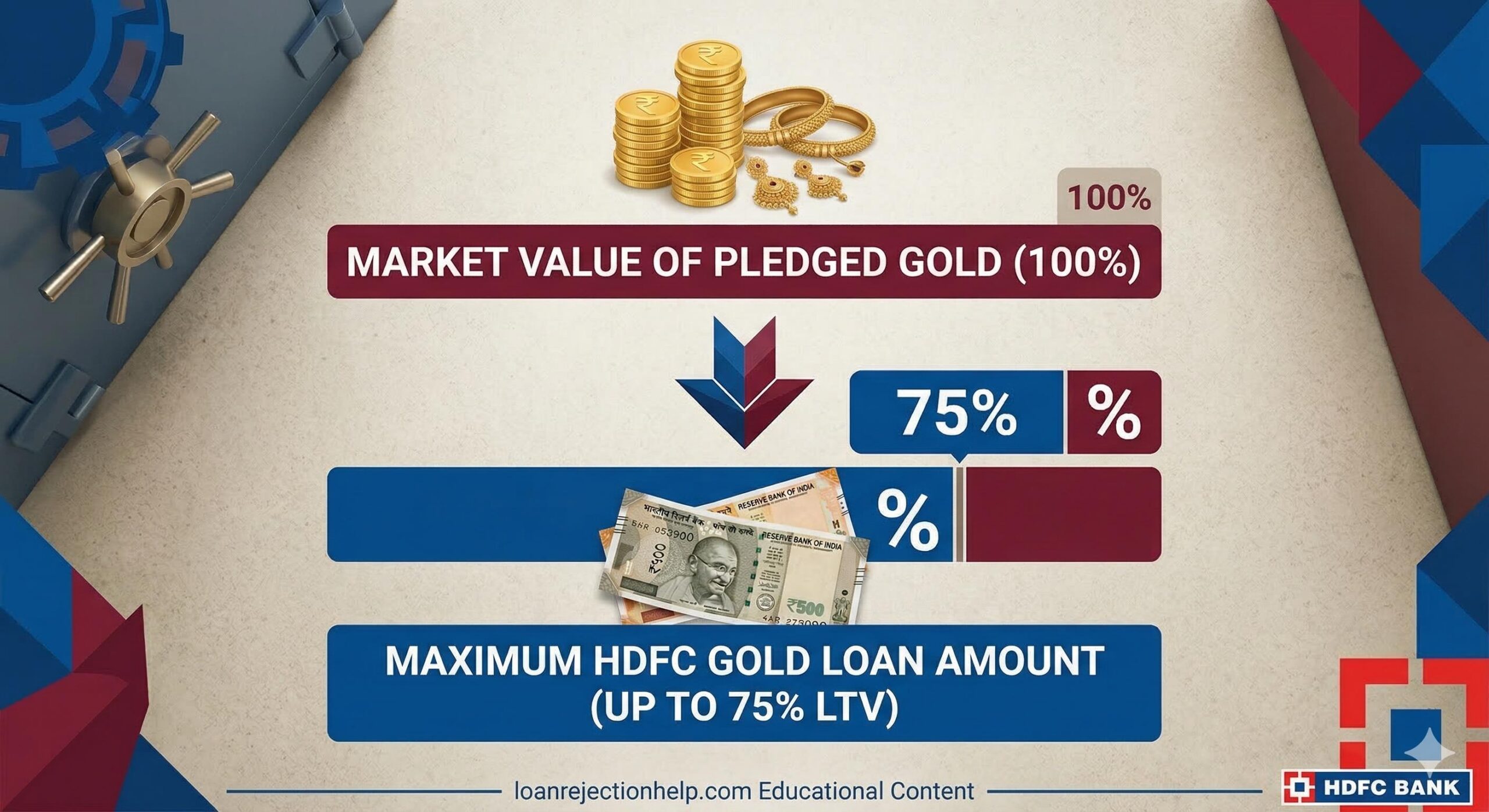
The LTV ratio is the percentage of your gold’s value that the bank is willing to lend you. By mandate of the Reserve Bank of India (RBI), banks typically cap the LTV for gold loans at 75%. If you request a lower loan amount relative to the total value of your gold (a lower LTV), the bank takes on less risk. Consequently, they may offer you a more favorable interest rate.
2. Loan Tenure
Gold loans are generally short-term loans, with tenures ranging from 3 months to 24 months. The length of time you take to repay the loan can impact the interest rate. Sometimes, very short-term loans attract slightly different rate structures compared to maximum-tenure loans.
3. Purpose of the Loan (Agricultural vs. Retail)
HDFC categorizes gold loans primarily into two segments: Agricultural and Non-Agricultural (Retail). If you are borrowing money for farming, purchasing seeds, or agricultural equipment, you may qualify for a heavily discounted interest rate under government-backed priority sector lending schemes. Retail gold loans used for personal emergencies, weddings, or business capital will carry standard commercial interest rates.
4. Existing Customer Relationship
If you already have a salary account, savings account, or a positive credit history with HDFC Bank, you are considered a known entity. Banks often reward existing customers with minor concessions on processing fees or slightly reduced interest rates.
How Repayment Options Interact with Your Interest Rate
The way you choose to repay your HDFC gold loan also affects how the interest accumulates. Here is a comparison of common repayment structures:
| Repayment Scheme | How It Works | Impact on Interest |
| Equated Monthly Installment (EMI) | You pay a fixed amount every month, covering both principal and interest. | Interest reduces over time as the principal balance decreases. |
| Bullet Repayment | You pay the entire principal and accumulated interest at the end of the loan tenure. | Interest compounds on the full principal for the entire duration. Convenient, but often results in a higher total interest payout. |
| Overdraft Facility | A credit limit is assigned against your gold. You can withdraw and deposit funds as needed. | You only pay interest on the exact amount you use, for the exact number of days you use it. Highly cost-effective for fluctuating cash needs. |
Why Do Gold Loans Get Rejected?
At LoanRejectionHelp.com, we often see borrowers assume that because a gold loan is secured, approval is 100% guaranteed. This is a dangerous misconception. While your credit score plays a smaller role here than it does for a personal loan, banks maintain strict internal policies.
Even if you are willing to accept the stated HDFC gold loan interest rate, your application can still face rejection due to the following reasons:
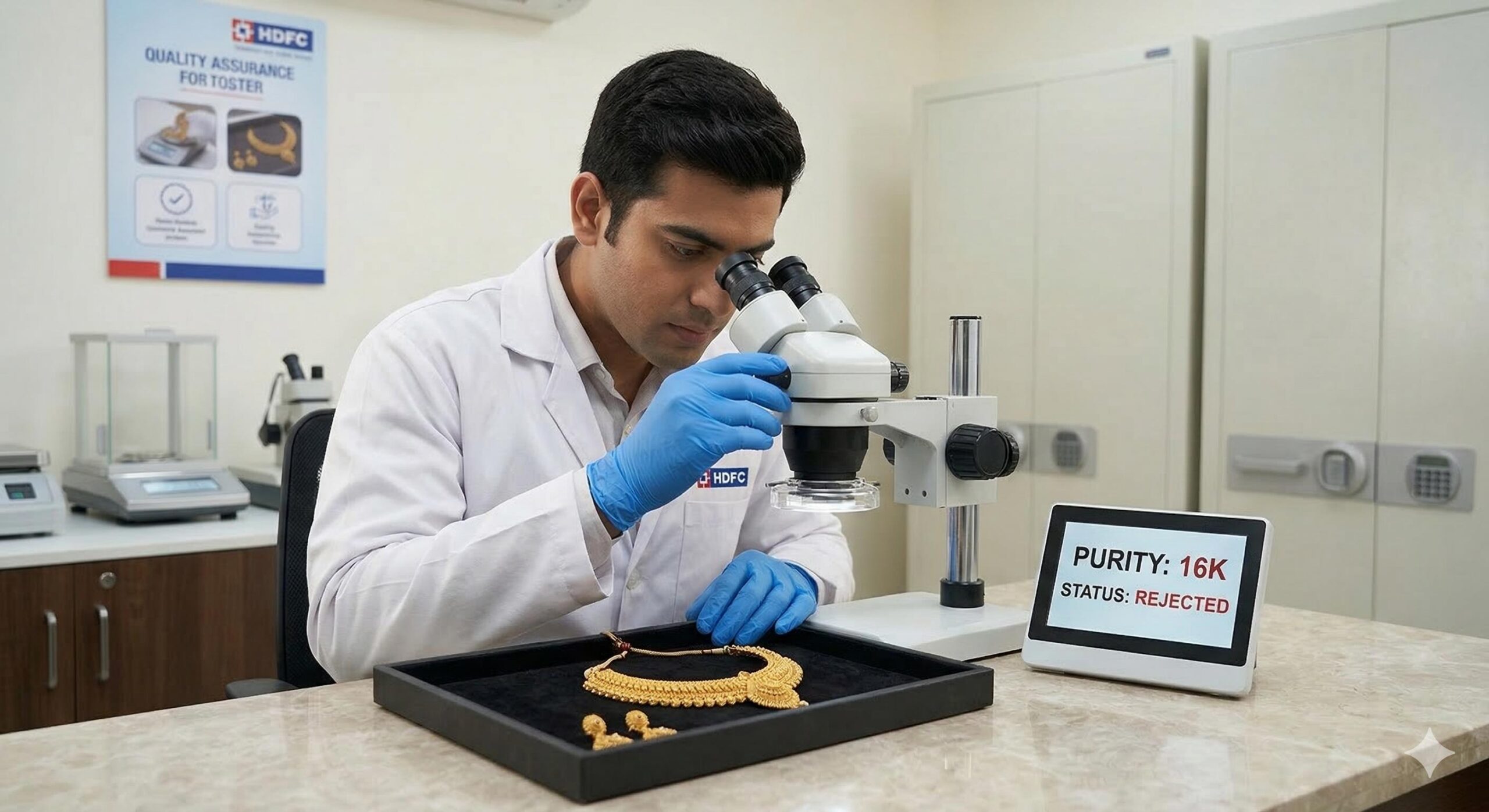
- Low Gold Purity: HDFC Bank typically accepts gold jewelry with a purity of 18 Karats to 24 Karats. If your gold is below 18K, contains too many precious stones (stones are deducted from the weight valuation), or is a minted gold coin above 50 grams, the bank will reject the collateral.
- Mismatched KYC Documents: Discrepancies between your PAN card, Aadhaar card, and the name on your loan application will trigger an automatic rejection. Banks must comply strictly with anti-money laundering (AML) laws.
- Unclear Ownership: If the valuer suspects the gold does not belong to you, or if you cannot adequately explain the source of large quantities of gold, the bank may decline the loan to avoid legal liabilities.
- Non-Serviceable Location: If your residential address falls outside the bank’s serviceable geographical area, or you are a temporary resident without permanent address proof, the application may be stalled.
Tips to Secure Approval and Manage the Interest Rate Safely
To ensure a smooth approval process and manage your financial obligations responsibly, consider the following steps before walking into an HDFC branch:
- Evaluate Your Gold Beforehand: Have a local jeweler perform a basic check on your ornaments to ensure they meet the minimum 18-Karat requirement. Avoid pledging heavily studded jewelry, as you will not get a loan against the weight of the stones.
- Borrow Only What You Need: Just because your gold is worth ₹5,00,000 does not mean you must borrow ₹3,75,000 (75% LTV). Borrowing a smaller amount keeps your interest payments low and makes the loan easier to clear.
- Choose the Right Repayment Plan: If you have a steady monthly income, choose the EMI option to steadily bring down your principal. If you are waiting for a lump sum payment (like a crop harvest), a bullet repayment might make more sense, but be prepared for the accumulated interest.
- Keep Your KYC Updated: Ensure your Aadhaar, PAN, and current address proofs are perfectly aligned and up-to-date.
Muthoot Finance Gold Loan Interest Rate: A Complete Guide for Borrowers
Frequently Asked Questions (FAQs)
What is the current HDFC gold loan interest rate? HDFC Bank’s gold loan interest rates typically range between 8% and 18% per annum, depending on the specific loan scheme, your existing relationship with the bank, and the loan-to-value (LTV) ratio. Agricultural gold loans often feature lower, subsidized rates compared to retail gold loans. Always verify the most current rates directly with an HDFC branch before applying.
Does a low CIBIL score cause gold loan rejection at HDFC? Because a gold loan is a fully secured loan backed by your physical gold, a low CIBIL score rarely causes an outright rejection. However, a severe history of defaults could prompt the reviewing officer to offer you a slightly higher interest rate or limit your maximum loan amount to offset the bank’s risk.
How can I reduce my overall interest payout? To reduce the total interest you pay over the life of the loan, opt for a shorter loan tenure and borrow only what you absolutely need, rather than taking the maximum limit offered against your gold. Additionally, paying regular EMIs keeps your principal balance decreasing, which costs less over time compared to a bullet repayment plan where interest accumulates until the end of the term.
What happens to my gold if I fail to pay the interest? If you default on your interest payments or fail to clear the principal amount by the end of your tenure, HDFC Bank will issue formal reminders and legal notices. If the default continues unresolved, the bank possesses the legal right to auction your pledged gold ornaments to recover the outstanding balance. This default will also be reported to credit bureaus, severely damaging your credit score.
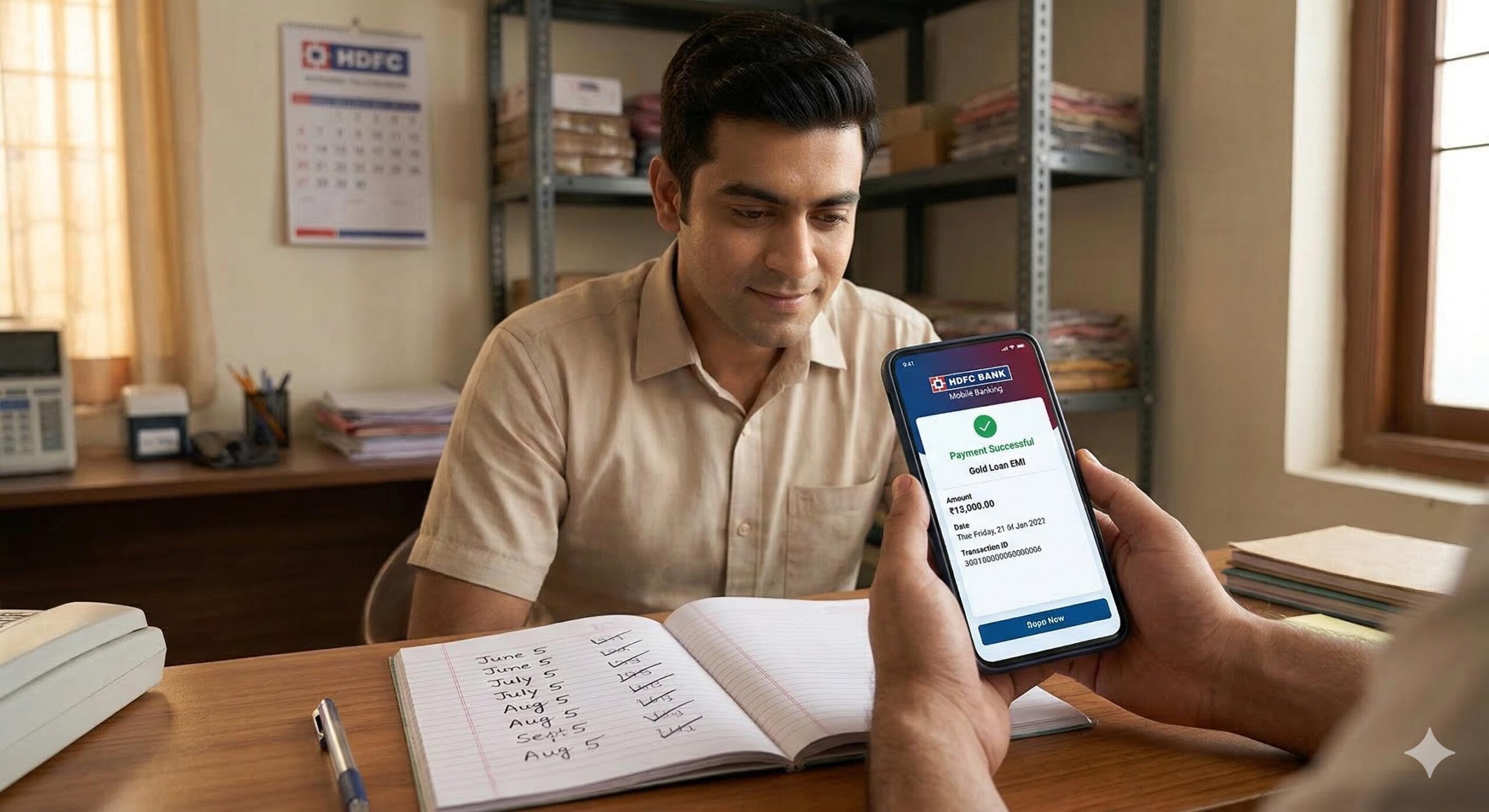
Risk Awareness: The Reality of Defaulting
Financial literacy means understanding the worst-case scenarios. While securing a low HDFC gold loan interest rate is beneficial, failing to respect the loan terms carries severe consequences.
If you fail to pay your interest or principal by the end of your tenure, the bank will issue legal notices. If the default continues, HDFC Bank has the legal right to auction your pledged gold ornaments to recover their dues. Furthermore, even though it is a secured loan, a default will be reported to credit bureaus like CIBIL, heavily damaging your credit score and causing future loan rejections. Always ensure you have a clear, realistic repayment strategy before handing over your valuable assets.
Conclusion
Securing a gold loan can be a fast and reliable way to handle financial emergencies, provided you clearly understand the costs involved. The HDFC gold loan interest rate dictates your true borrowing cost, and managing it wisely is the key to a stress-free repayment journey.
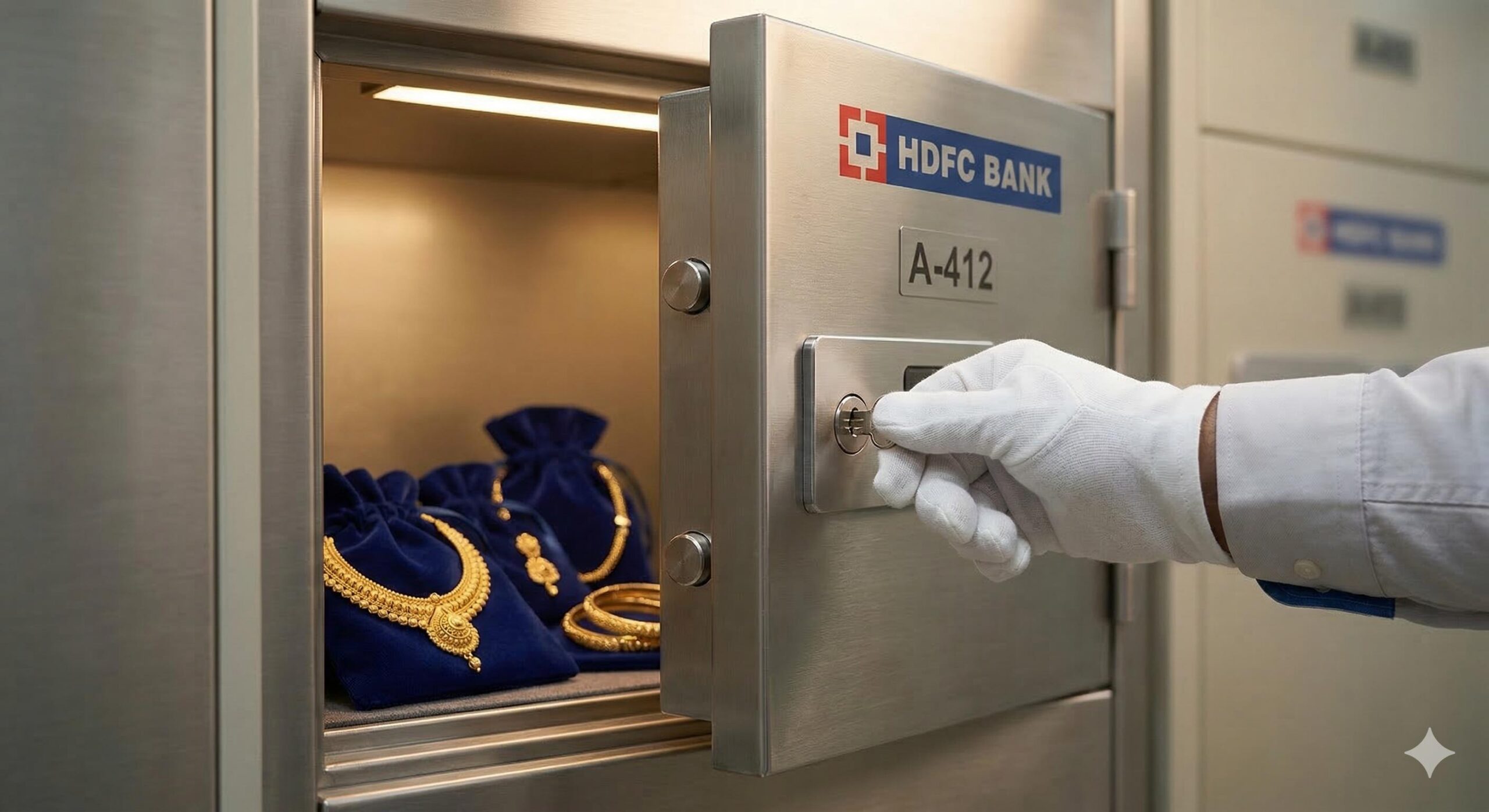
By borrowing only the exact amount you need, selecting a repayment structure that aligns with your monthly income, and ensuring your KYC documents are flawless, you can bypass common reasons for loan rejection. Remember, responsible borrowing not only protects your valuable family assets from auction but also builds a strong credit profile for your future financial needs.
Disclaimer: The information provided on LoanRejectionHelp.com is strictly for educational and informational purposes. Interest rates, loan terms, and bank policies are subject to change. Always verify current rates and terms directly with HDFC Bank before applying. We do not guarantee loan approvals or promote irresponsible borrowing.



3 thoughts on “Understanding the HDFC Gold Loan Interest Rate: Factors, Approval Tips, and Risks”